Do We Need to Stop Visiting Sintra? A Conversation About Overtourism
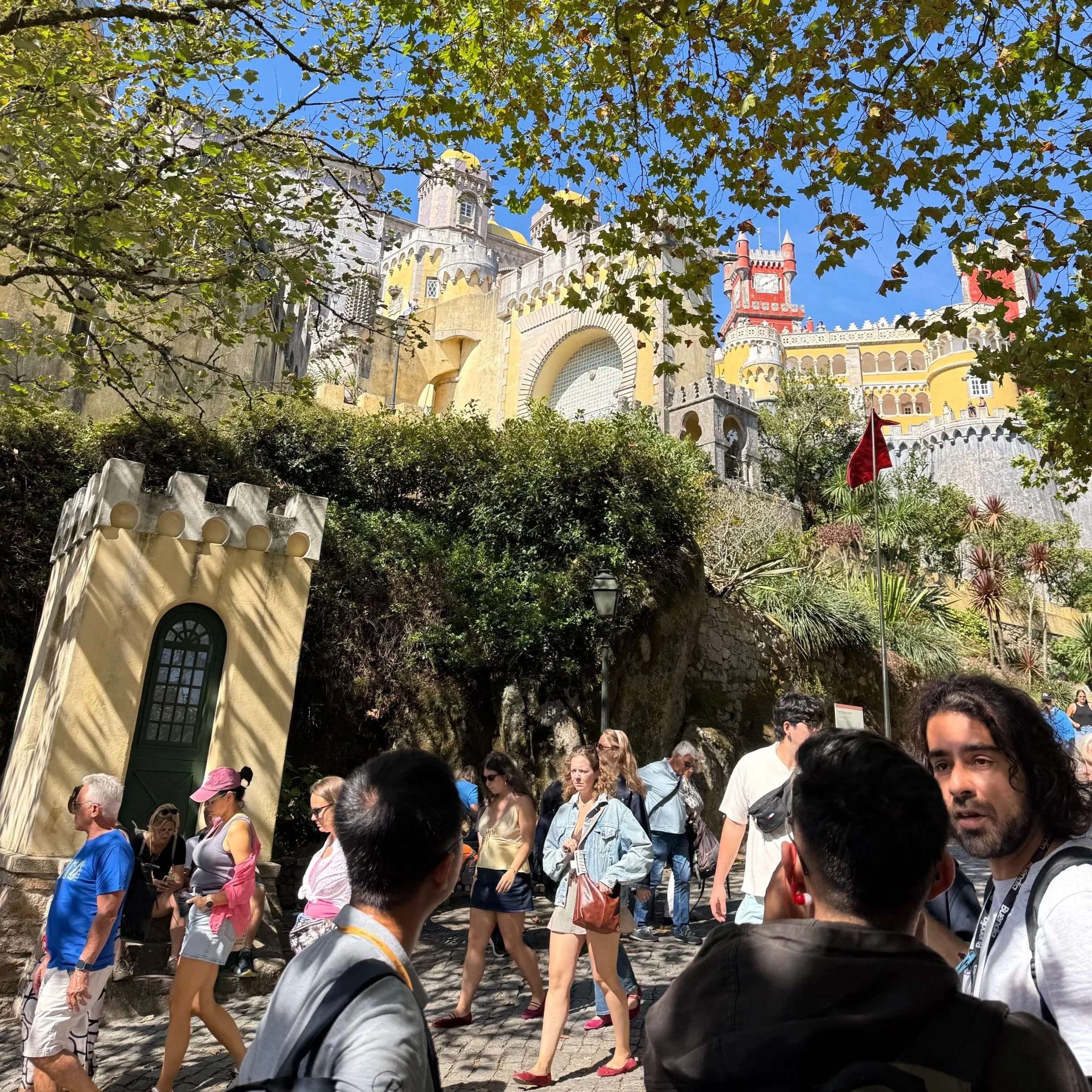
Let me start by saying: Sintra is genuinely beautiful. If you’ve seen photos of Pena Palace - that wildly colorful, fairytale castle perched on a forested hilltop outside Lisbon — you already know why people go. It looks like something out of a storybook, because architecturally, it kind of is. The whole town is a UNESCO World Heritage Site. The history is real. The landscape is stunning. I get it. We went. And I still left with a complicated feeling about the whole thing that I haven’t been able to shake.
What’s Actually Happening There
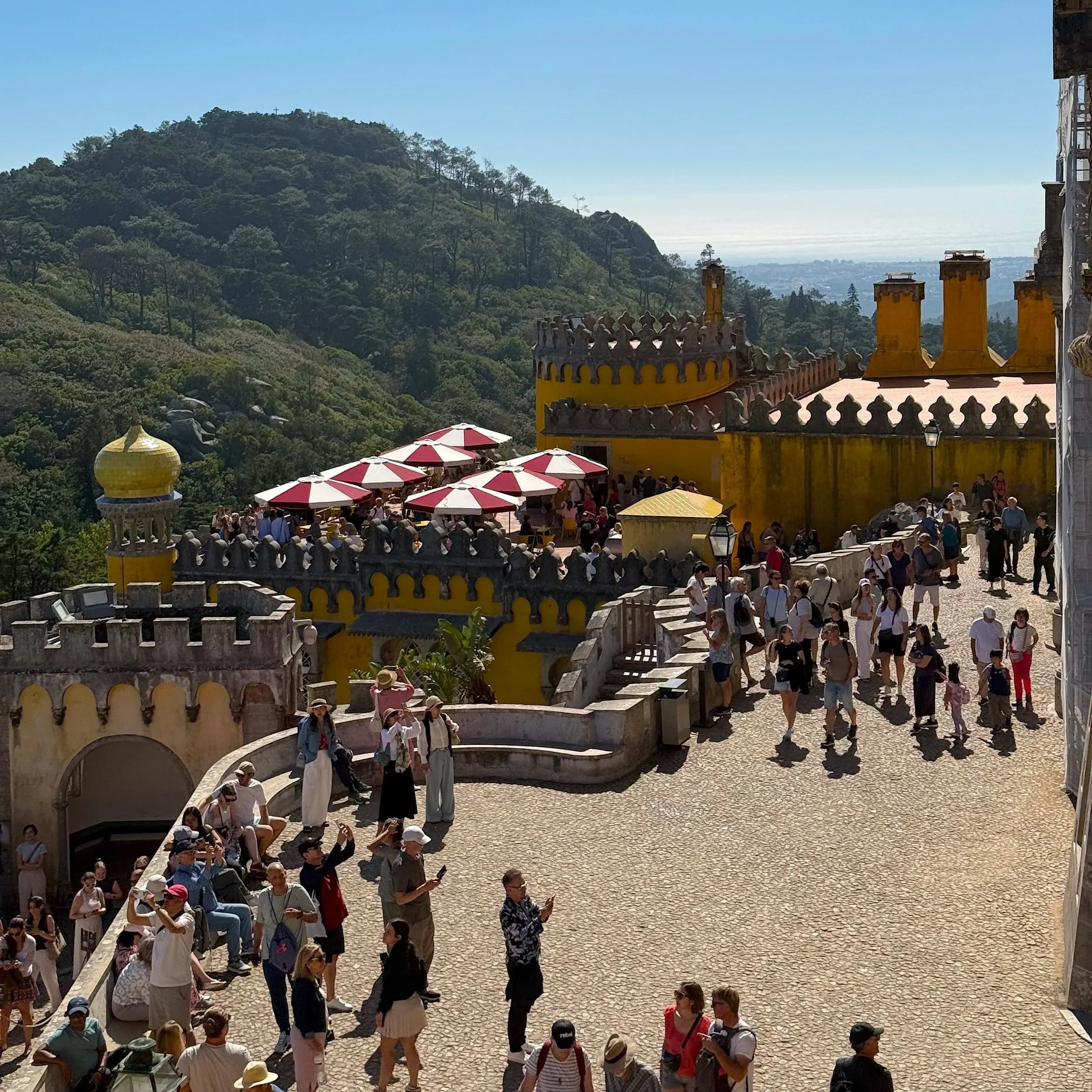
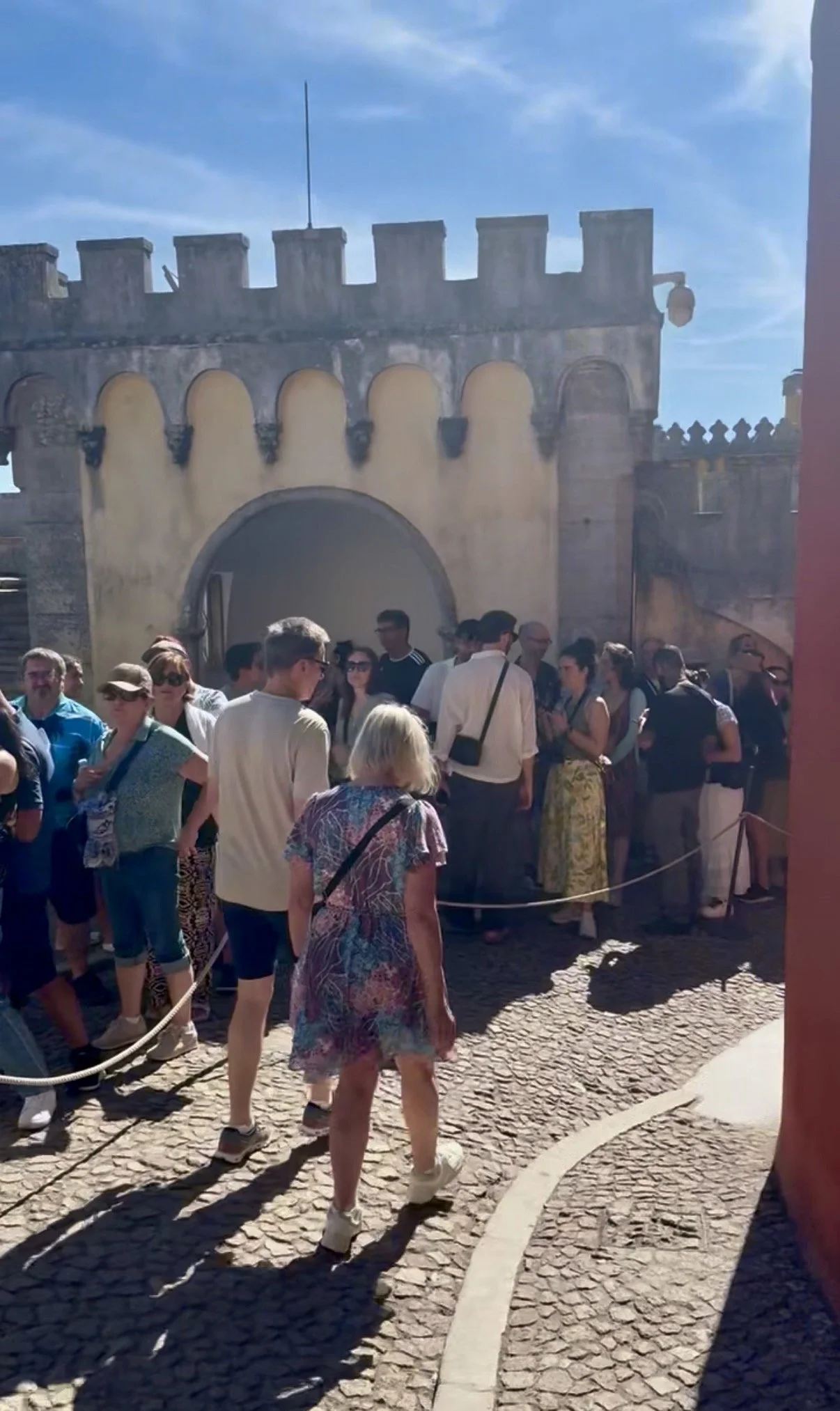
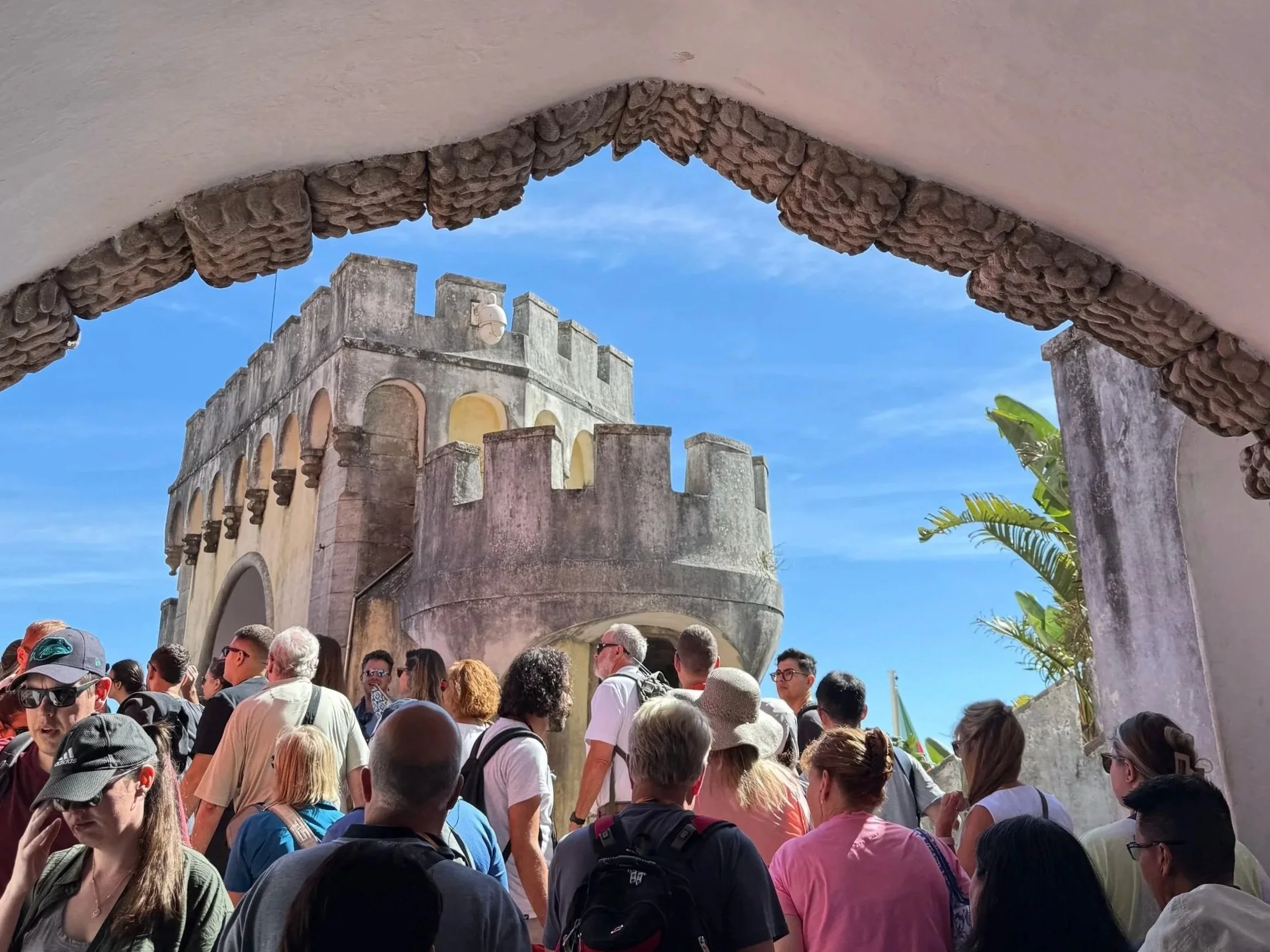
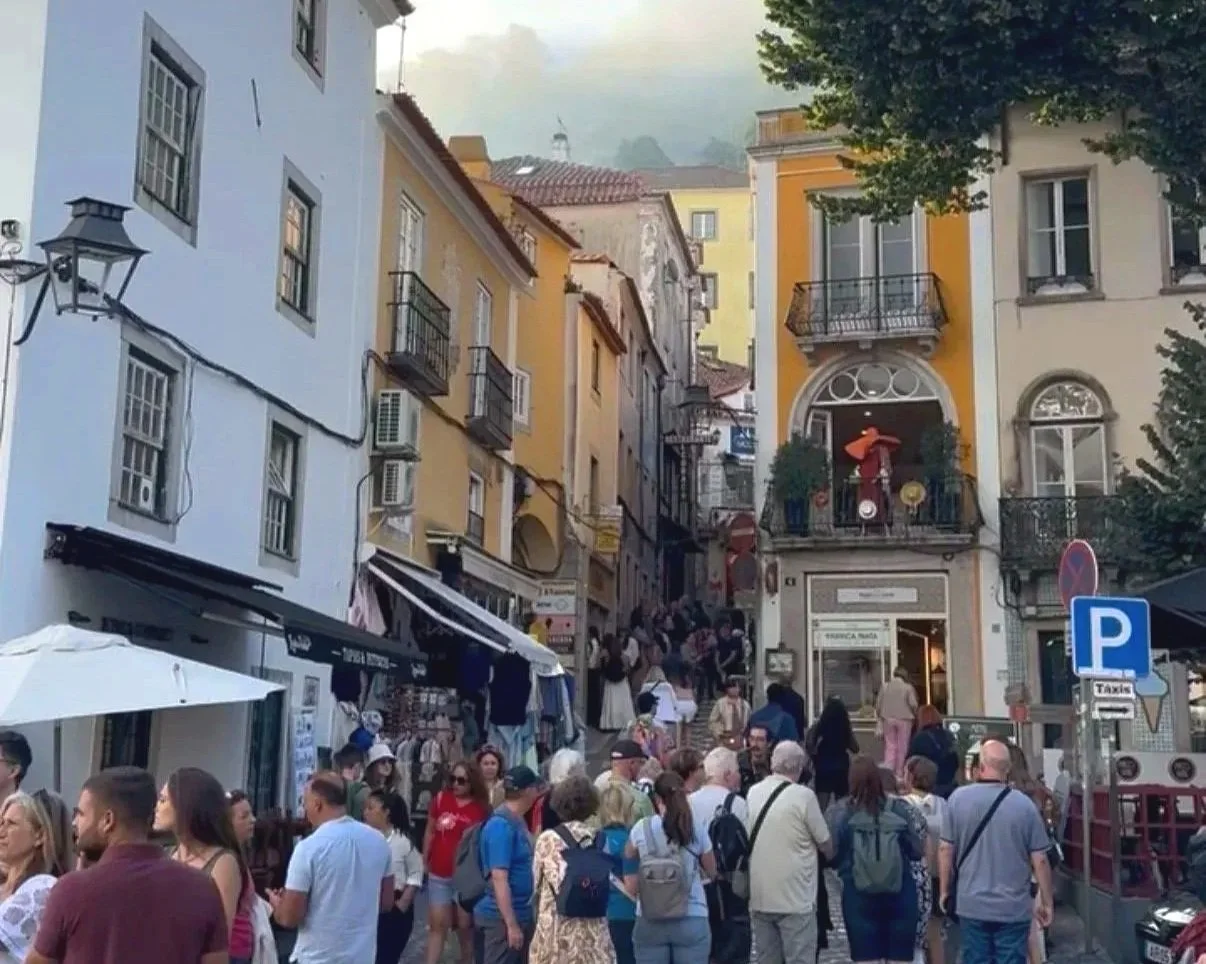
When we visited Sintra, it was late September — technically shoulder season. And it was still absolutely packed. The narrow streets of the historic center were so crowded that moving through them felt more like navigating a festival than exploring a medieval town. The lines for Pena Palace snaked around the exterior of the place. We couldn’t take a single photo without 50 other people in the frame. The whole experience had a theme-park quality to it that made it hard to feel any real connection to the place.
This isn’t just a personal complaint. Sintra’s overtourism problem is well-documented and the local community has been raising alarms about it for years. The numbers are staggering: a town with a permanent population of a few thousand people receives millions of visitors per year, the vast majority arriving on day trips from Lisbon. The infrastructure simply cannot absorb it. Roads clog, public services strain, property prices in the area have been driven up by short-term rental demand, and the residents who’ve lived there for generations find their hometown increasingly unrecognizable.
The Real Cost of Overtourism
What happens to a place when too many people show up? The authentic parts like local restaurants, neighborhood shops, and community life get displaced by souvenir vendors and tourist menus. Property gets converted from homes into vacation rentals. Locals leave because they can’t afford to stay. And the thing that made the place worth visiting in the first place slowly disappears. It’s a feedback loop that ends with a destination that exists purely for the consumption of tourists, with none of the soul that drew people there originally.
Sintra isn’t alone in this. Venice, Dubrovnik, Santorini, Barcelona’s Gothic Quarter — these are all places dealing with versions of the same problem. But Sintra is a particularly acute case because it’s so small, so geographically constrained (there’s basically one main road in and out), and so dependent on a single type of visitor: the day-tripper who arrives, photographs the palace, buys a pastry, and leaves, with minimal economic benefit distributed to the actual community.
So, Should You Go?
This is where it gets complicated, because the honest answer is: it depends on how you go. A blanket “stop visiting Sintra” isn’t realistic or entirely fair — tourism is also a major part of the local economy, and the palace and heritage sites employ a lot of people. But there’s a meaningful difference between visiting thoughtfully and adding to the problem.
Here’s what thoughtful travel looks like:
Stay overnight instead of day-tripping. Sintra in the early morning, before the tour buses arrive, is a completely different experience. Staying even one night shifts your economic contribution from day-tripper to genuine guest, and you get the town at its most peaceful.
Visit in the off-season. Winter and early spring are dramatically quieter. The palaces are still open, the town is more itself, and you can actually see the architecture without a human wall in every direction.
Eat at locally-owned restaurants, not the tourist-trap spots on the main drag. Ask your hotel where locals eat. Spend money in the community, not just at the palace ticket window.
Consider skipping the most crowded sites. Pena Palace gets all the attention, but the Quinta da Regaleira — a mysterious, esoteric estate with gardens, tunnels, and a stunning initiation well — is arguably more interesting and sees fewer visitors.
Don’t just arrive for the photo. Engage with the history. Hire a local guide. Read about the place before you go. The depth is there if you look for it.
What We Wish We’d Done Differently
We went on a day tour from Lisbon, which made us part of exactly the problem I’m describing. We arrived mid-morning with the peak crowd, queued for Pena Palace, couldn’t get a clean photo anywhere, and left feeling like we’d checked a box rather than experienced a place. Pena Palace was cool and genuinely impressive up close, but Sintra itself felt inaccessible behind the volume of people.
If we went back, we’d stay overnight, arrive at the palaces right when they open, eat dinner in the town, and wake up the next morning to quiet streets before the day-trippers arrived. That’s the version of Sintra that’s worth experiencing.
The Bigger Picture
The way we travel matters. The places we love can’t sustain unlimited visitors indefinitely, and the communities that live in them deserve to be more than a backdrop for our vacation photos. That doesn’t mean we shouldn’t travel - it just means we should travel with more intention. Stay longer. Go slower. Spend money locally. Choose the less obvious destination sometimes. And when a place you love is struggling under the weight of too many visitors, be honest about that even when it’s a place you want your readers to see.
Sintra is beautiful. Go if you want to. But go better than we did.