A 7 Day itinerary for Croatia in the off-season
Croatia feels too good to be true: ancient walled cities, crystal-clear Adriatic water, and world-class wine all packed into one small country. Most people only see it in peak summer, which means fewer crowds and a slower pace that let us actually soak everything in. We did seven days in March with a rental car, driving from Zagreb all the way down the coast to Dubrovnik and back up. Croatia in the off-season is so special.
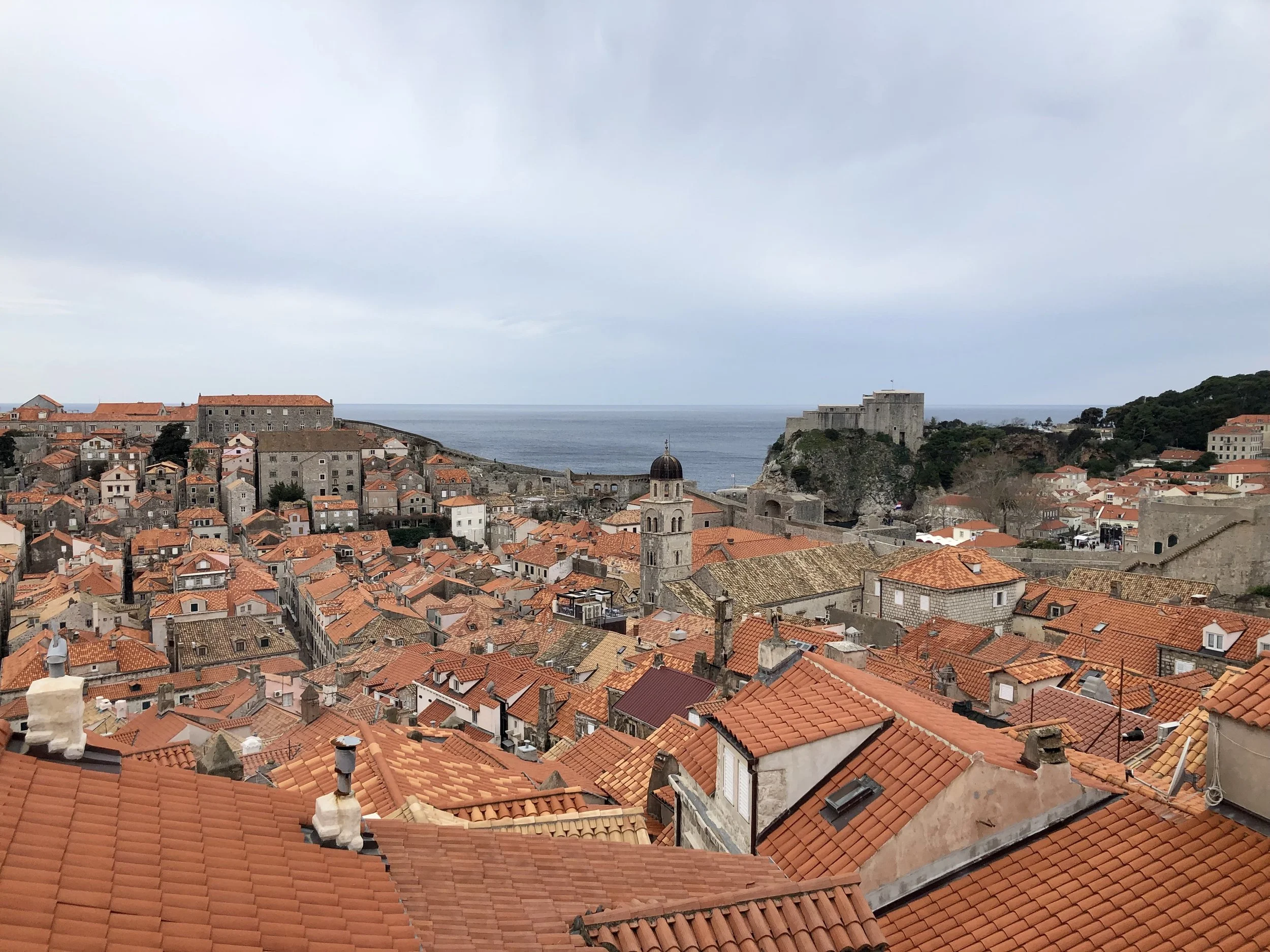
Days 1–2: Zagreb & Plitvice Lakes
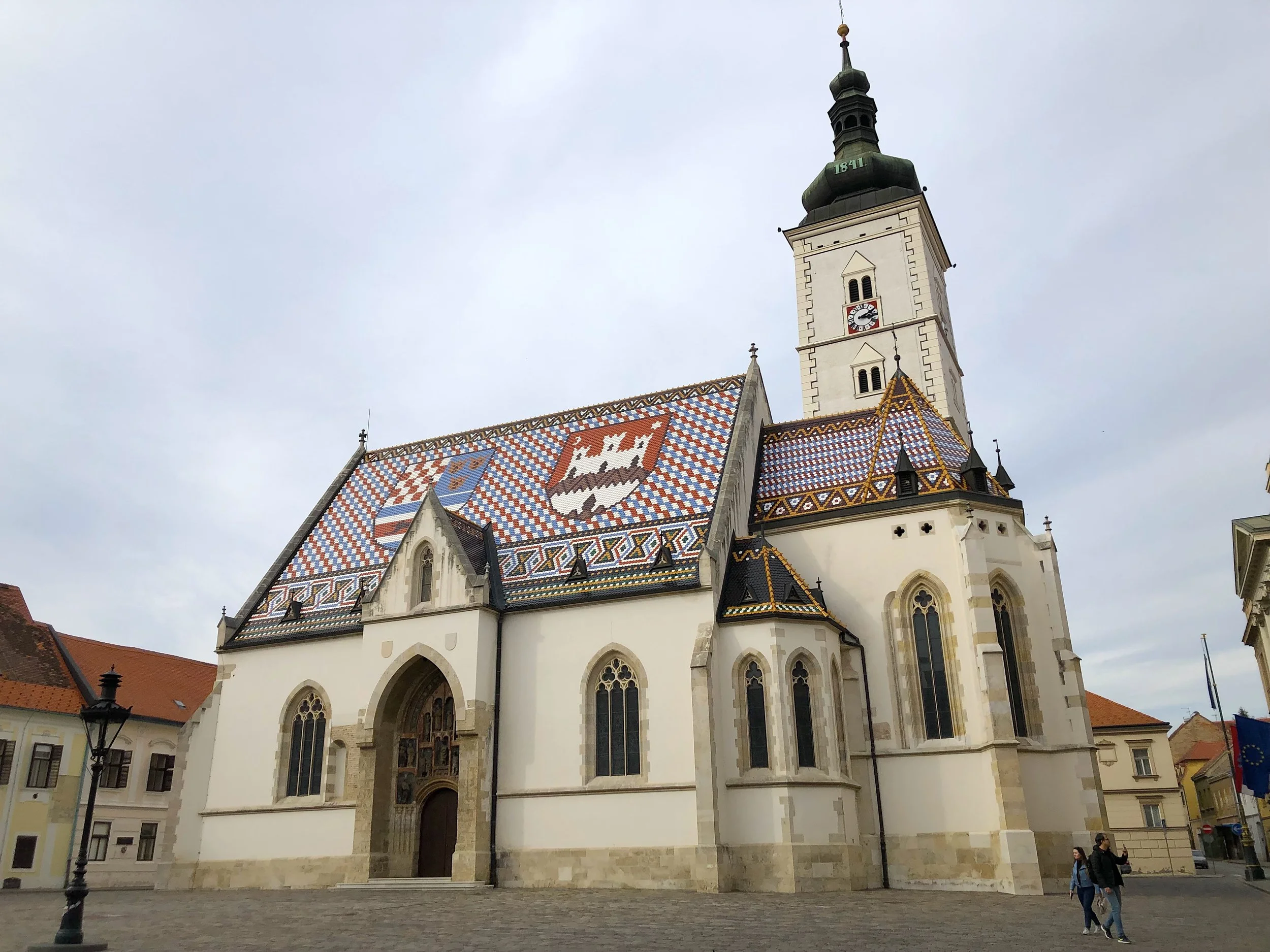
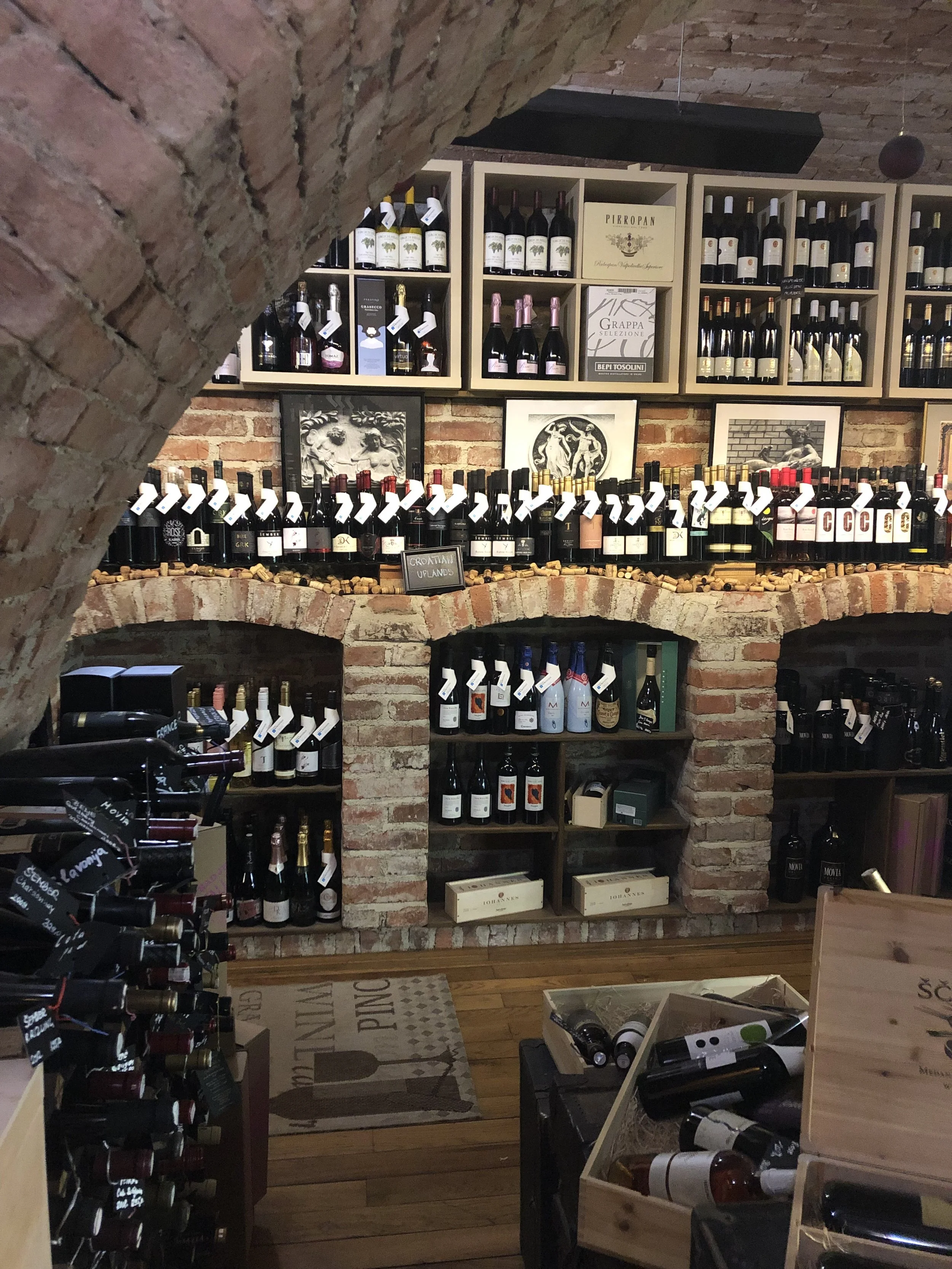
We started the trip in Zagreb, Croatia’s capital, which often gets skipped by travelers rushing to the coast, and spent the first day just wandering around. The Upper Town (Gornji Grad) is charming and walkable, with cobblestone streets, a medieval tower, and great coffee spots around every corner. Zagreb has a real European city energy that feels authentic, not touristy. Made sure to stop at Bornstein Wine Bar & Shop in Zagreb for a quick wine tasting.
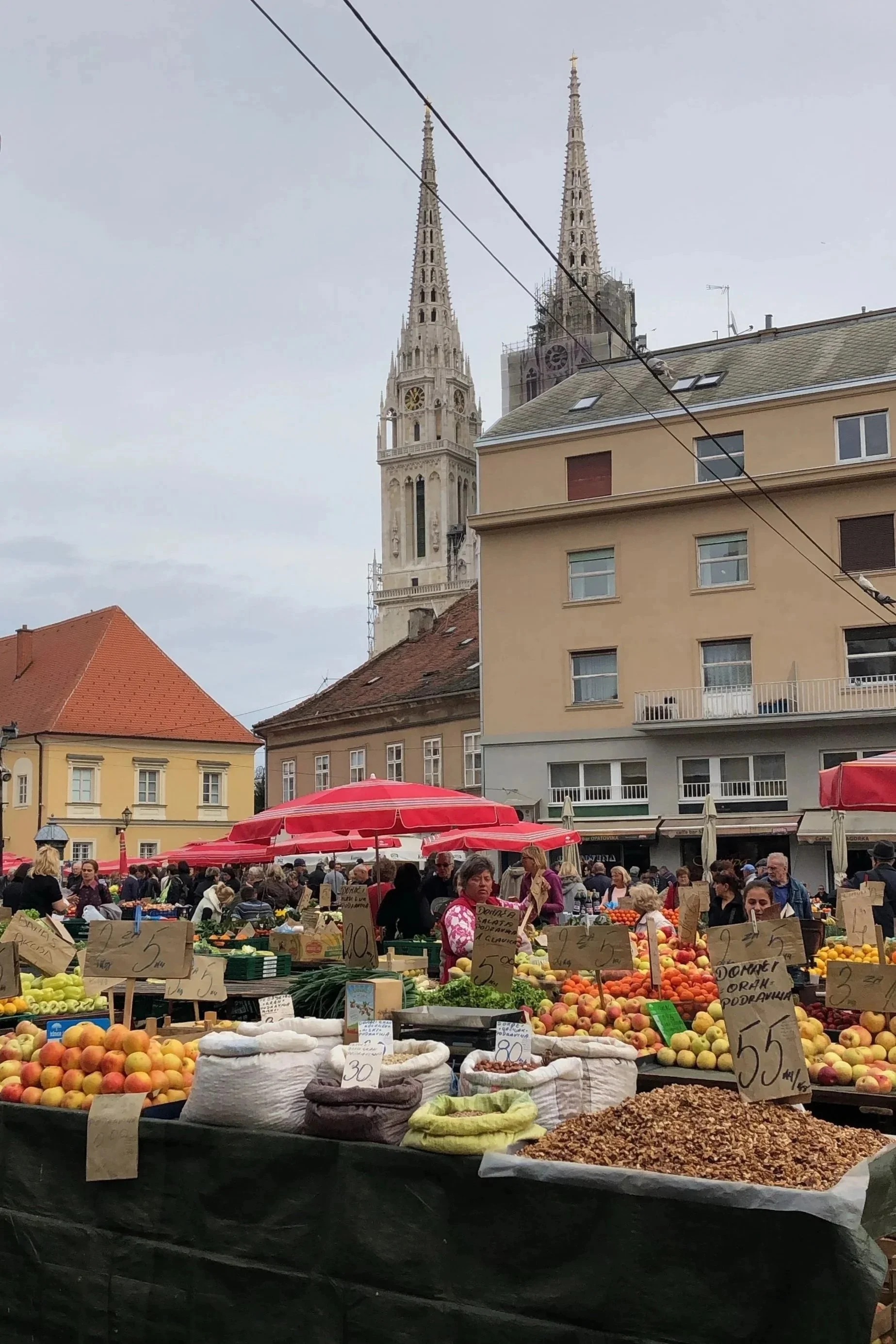
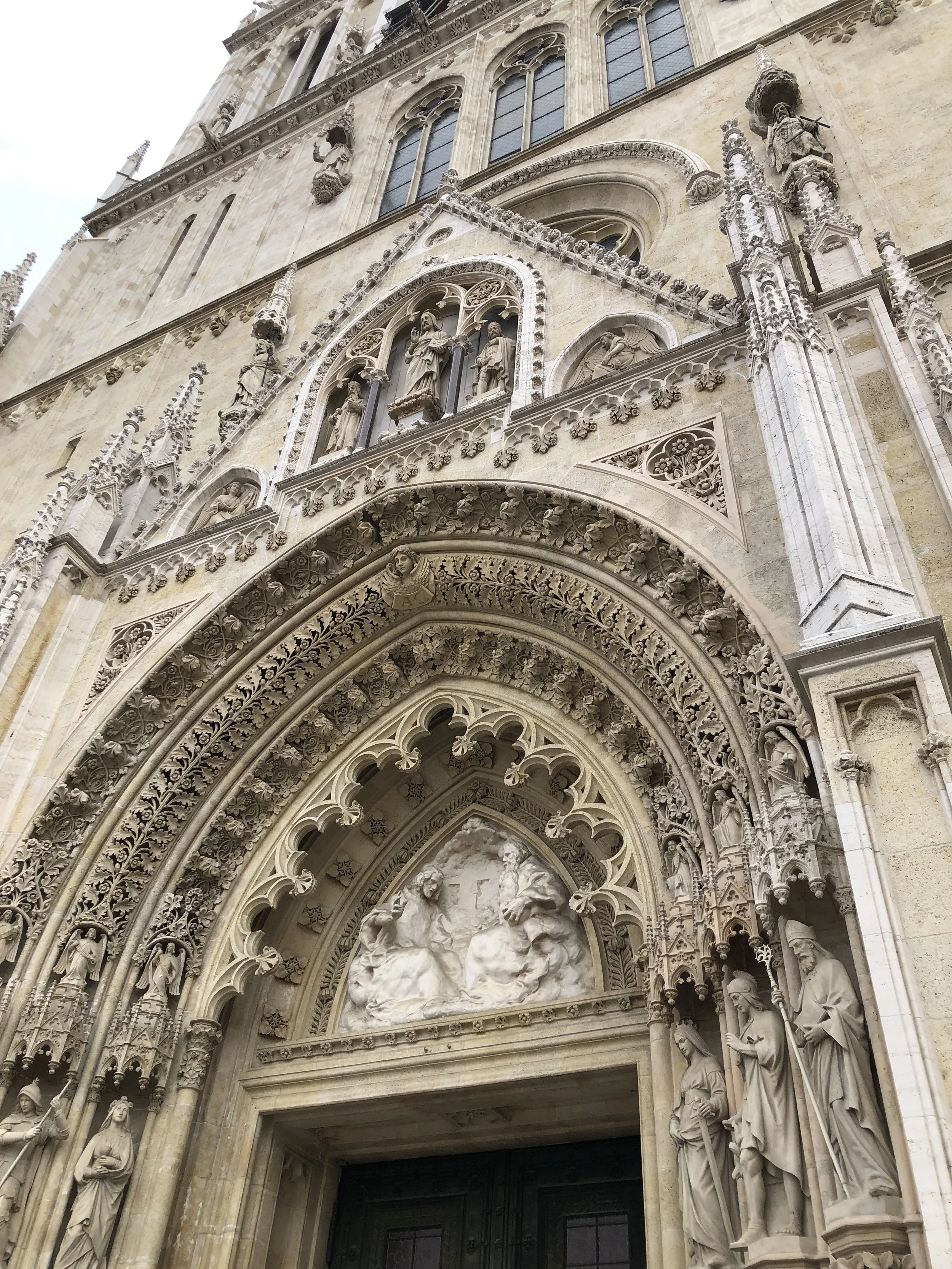
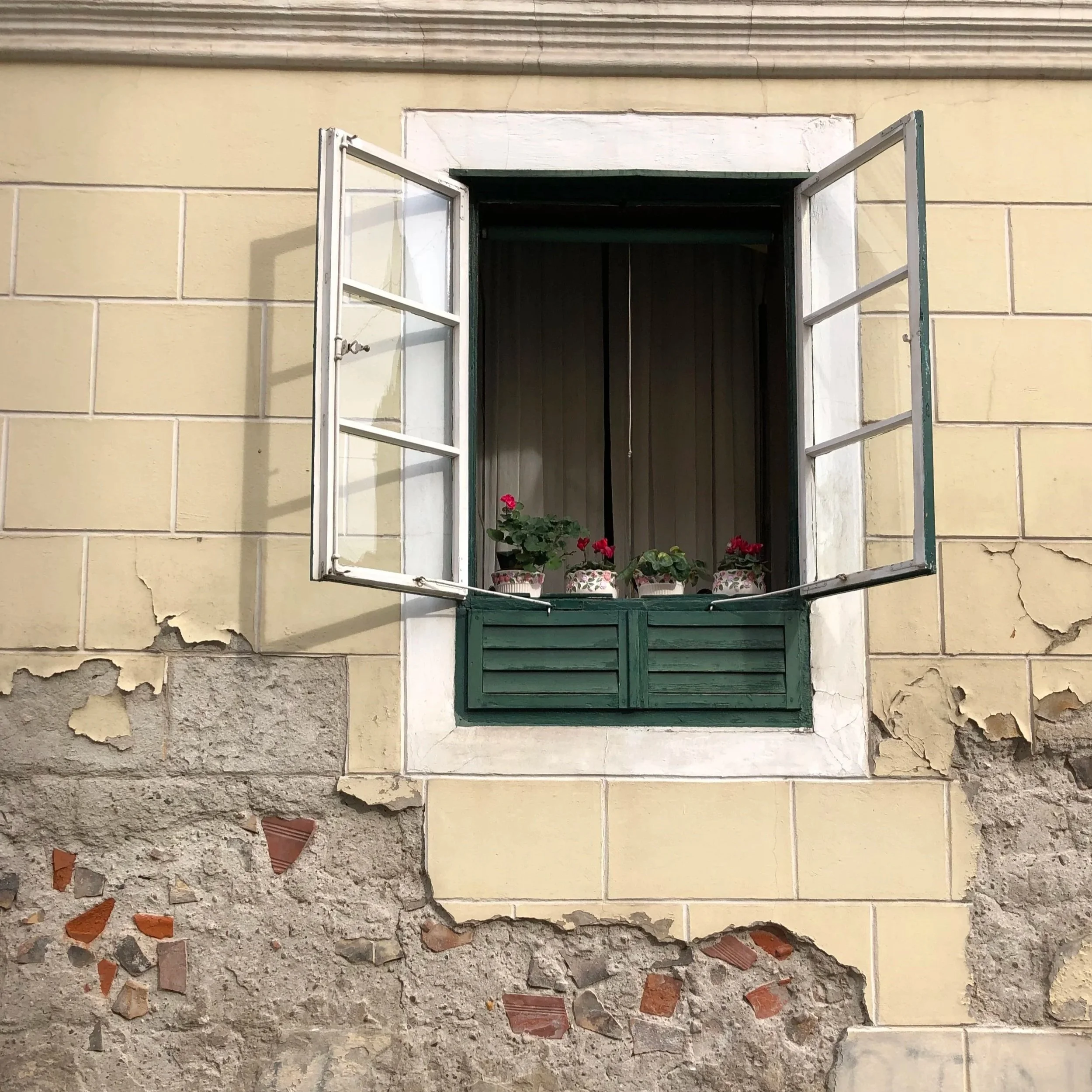
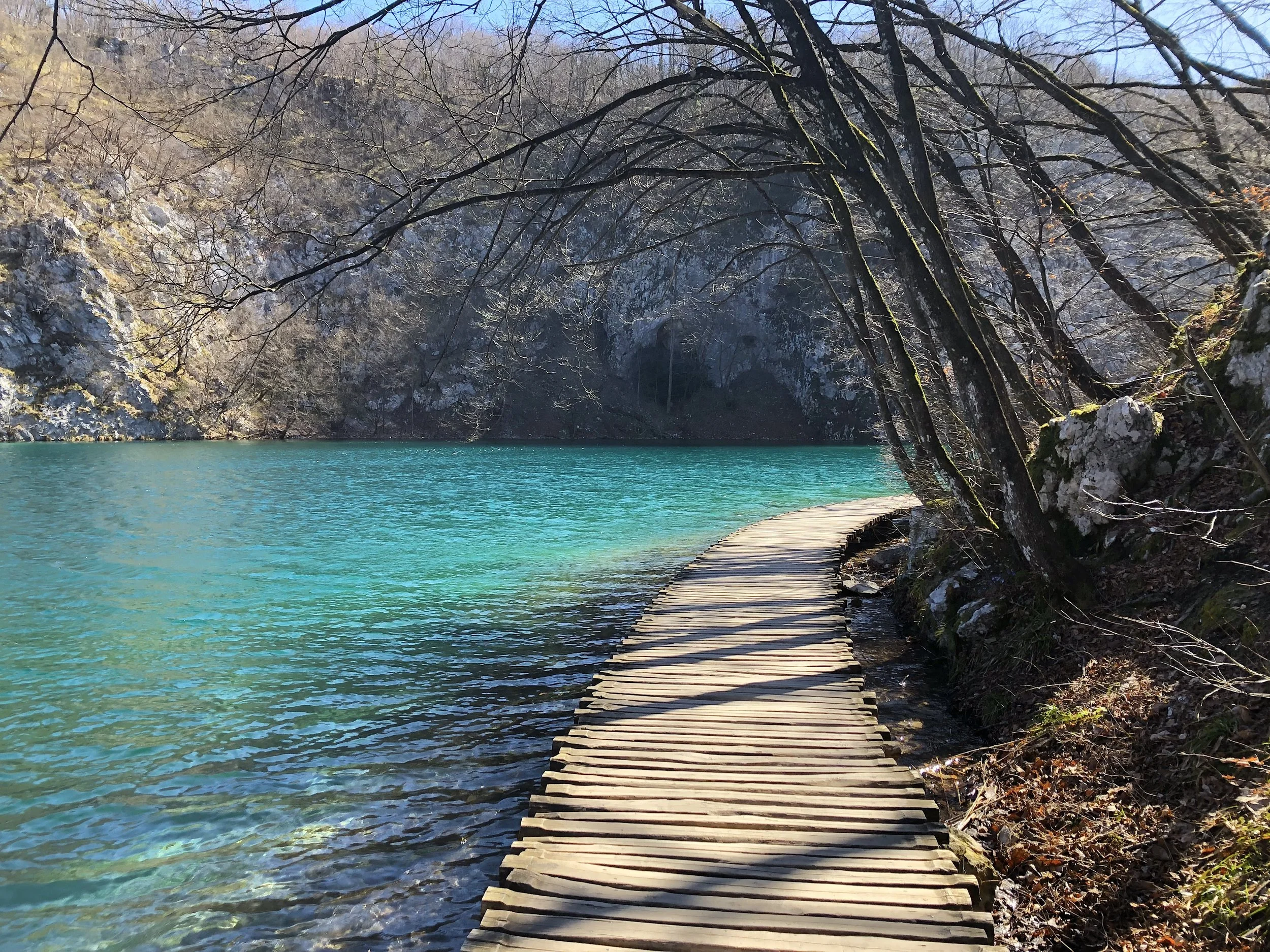
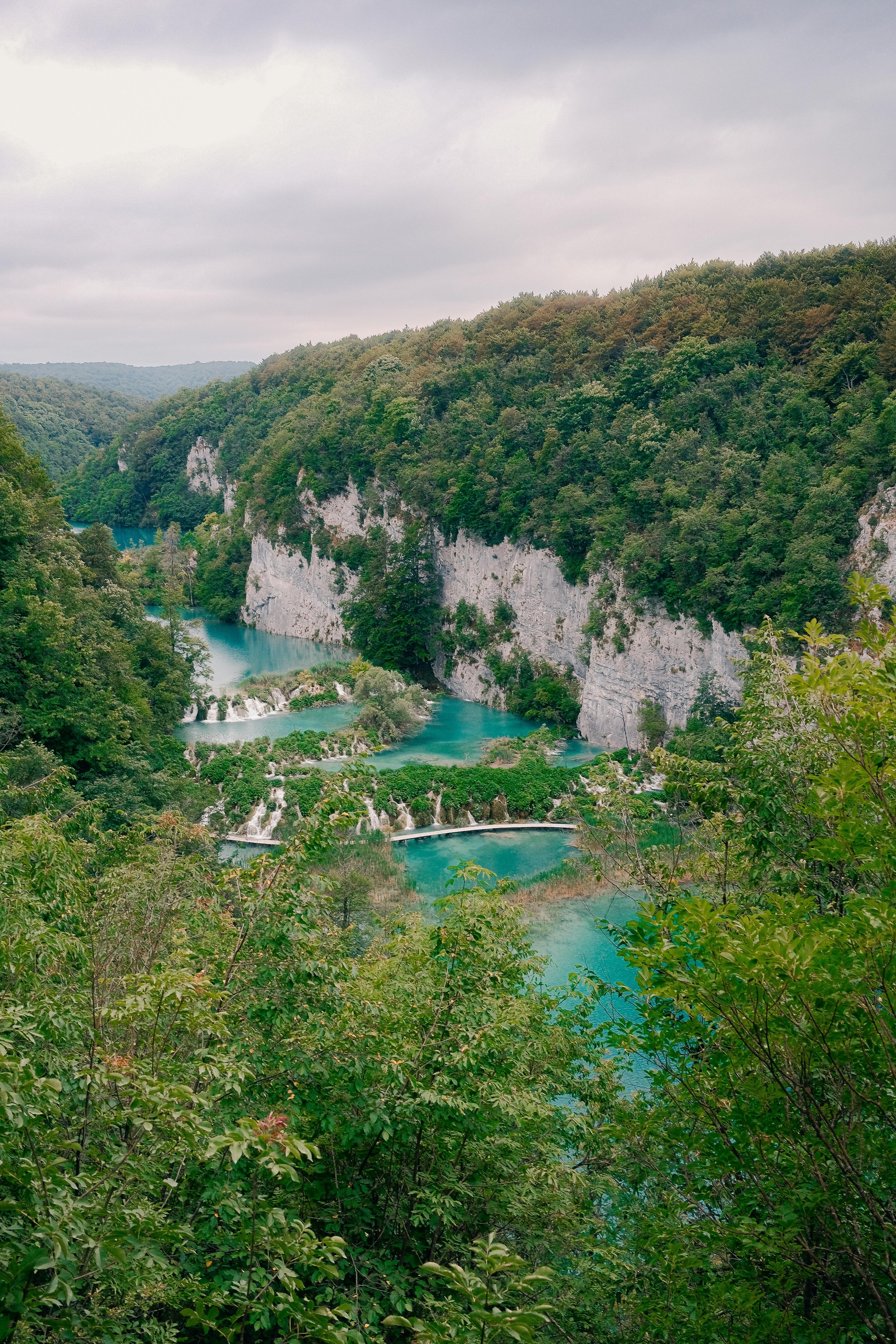
On day two, we made the drive to Plitvice Lakes National Park, which is about two hours south of Zagreb. It’s one of the most stunning natural sites in all of Europe - a series of cascading turquoise lakes connected by wooden boardwalks - and in March, you’ll basically have it to yourself. If you don’t rent a car, just know that the park has limited shuttle services and shorter operating hours in the off-season, so check the official schedule before you go and arrive early to make the most of the day.
Days 3–4: Split & Hvar Island
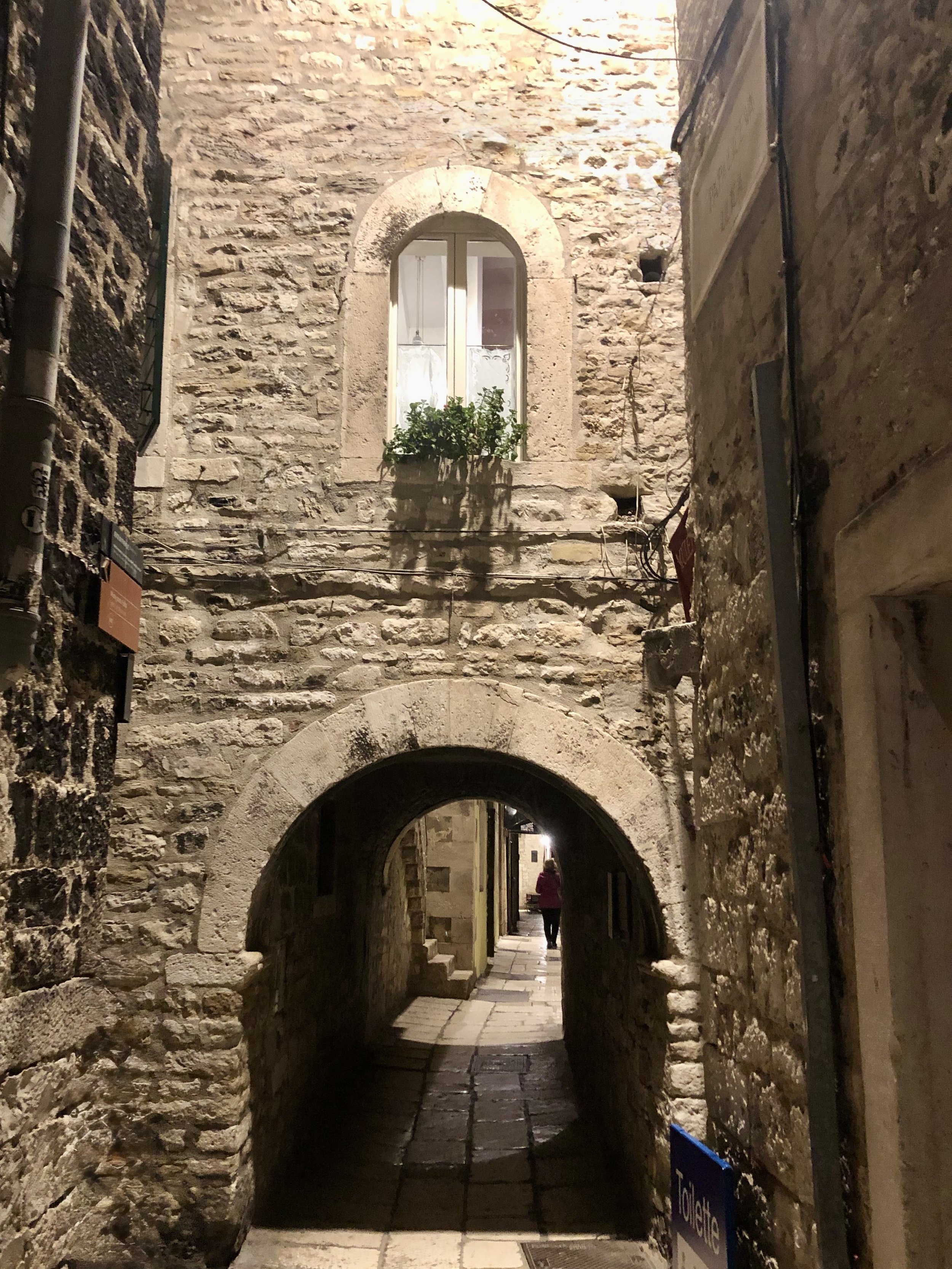
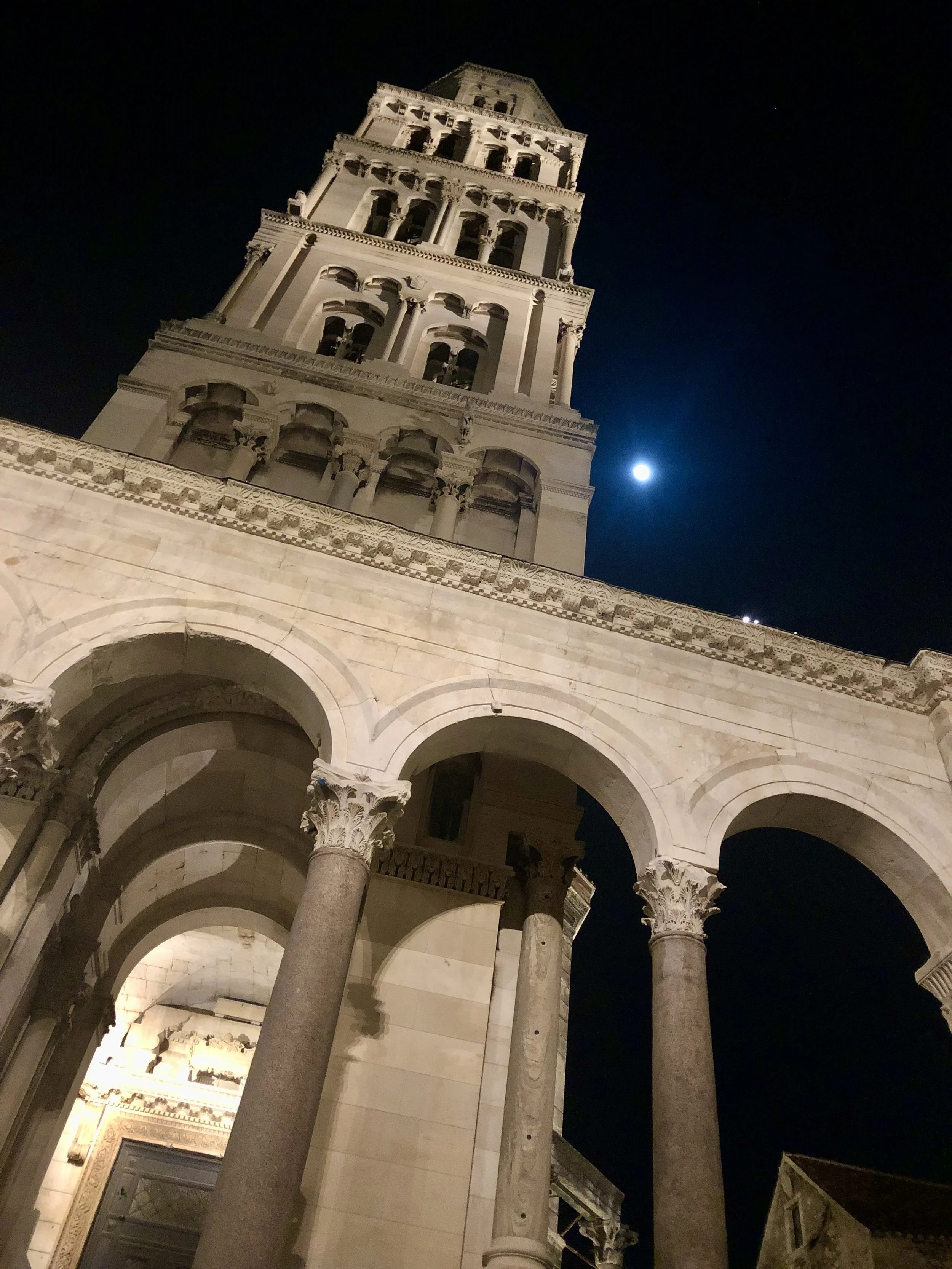
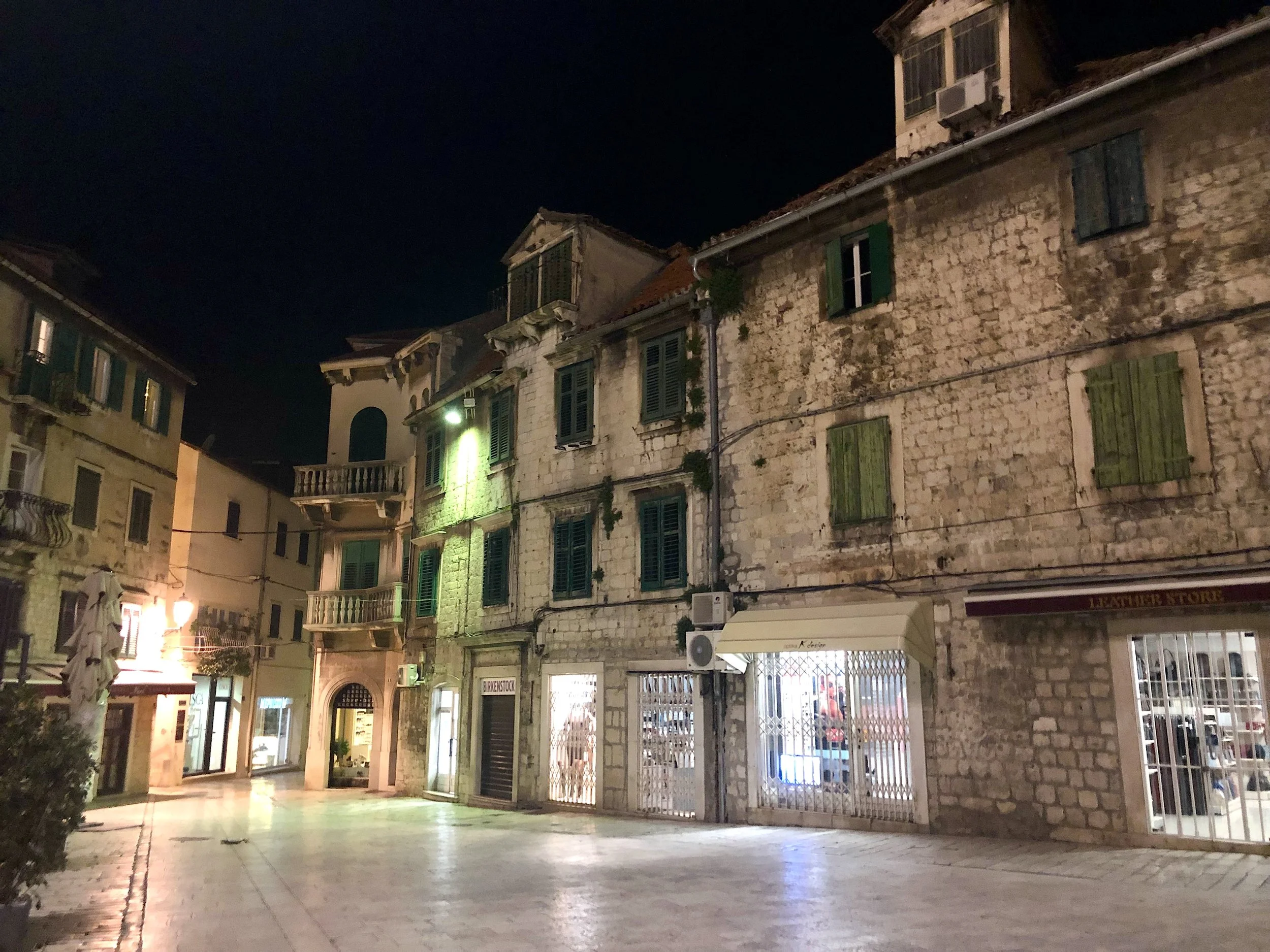
From Plitvice, we drove south to Split - it’s about 2.5 hours and the scenery along the way doesn’t disappoint. We arrived in the evening, which was a great time to first explore Split’s Old Town. The medieval alleyways inside Diocletian’s Palace glow at night and feel like walking into another century, and without the summer crowds, the whole scene feels almost cinematic.
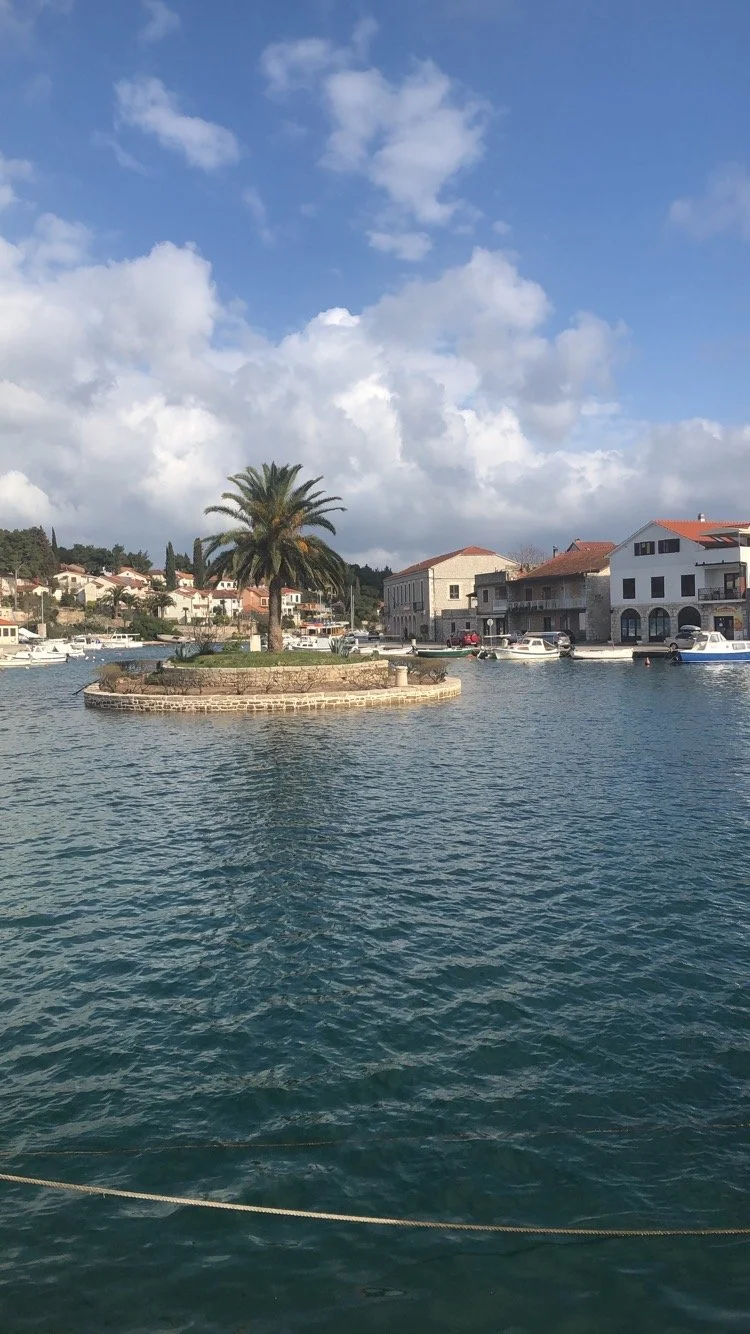
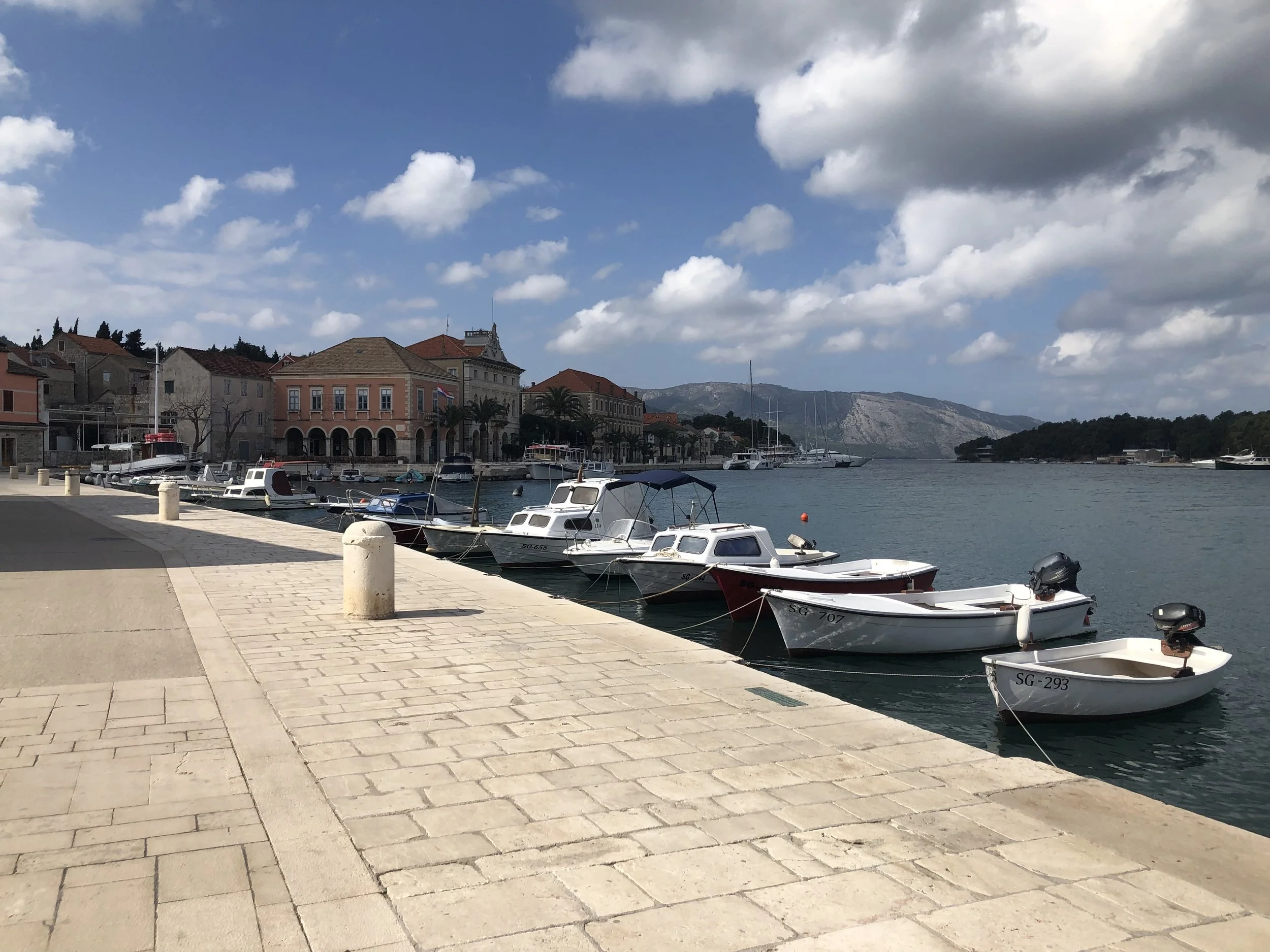
On day four, we took the car ferry from Split to Stari Grad on Hvar Island - yes, you can put your car on the ferry, which makes exploring the island much easier! In March, the ferry only runs once in and out (check the schedule in advance, this is not optional), so plan your whole day around it.
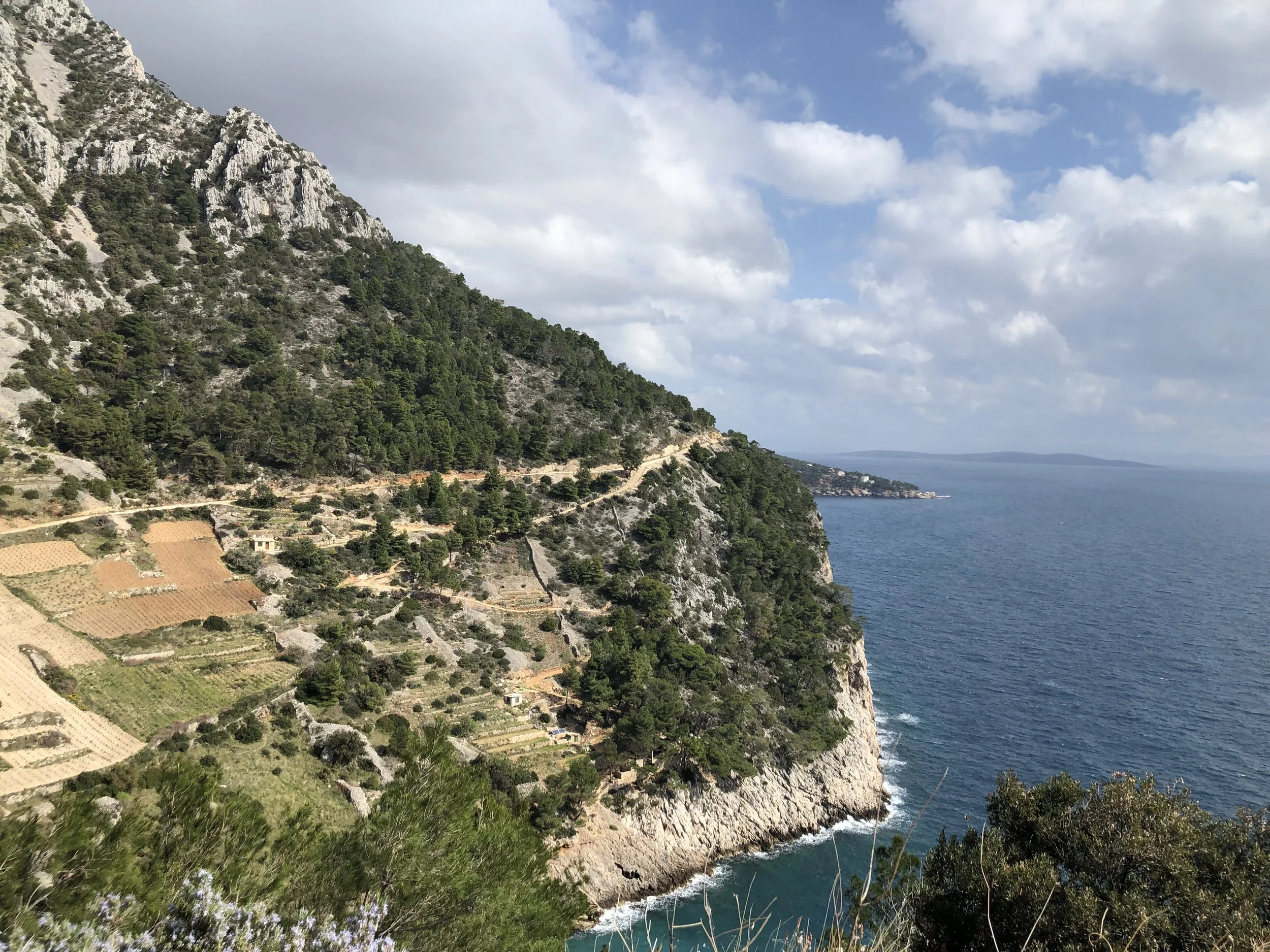
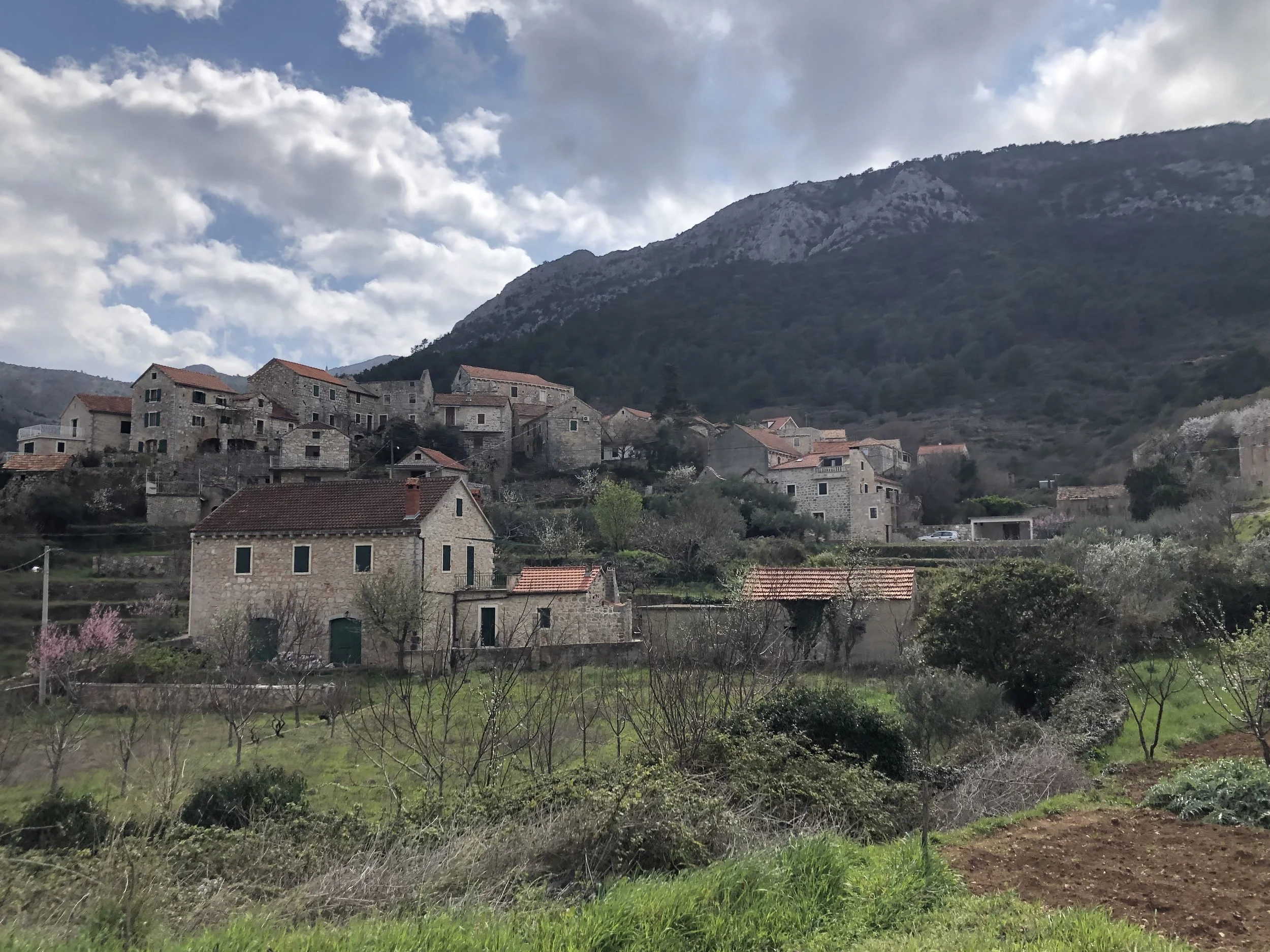
We drove through the vineyard route from Stari Grad through Dol, Vrbanj, and Pitve, which winds through gorgeous countryside and small stone villages. One highlight is the Pitve Tunnel: it’s a narrow, one-way tunnel with a traffic light system, so it’s a bit of an adventure. Be aware that many restaurants and tasting rooms on Hvar are closed in March, but the island is still beautiful, and if you call ahead, some wineries will open for you. The views alone are worth the day trip. We caught the last ferry back to Stari Grad and spent the evening back in Split.
Days 5–6: Dubrovnik
On day five, we drove south from Split to Dubrovnik - it’s roughly three hours and the coastal road is stunning. One thing to know: the route passes through a short stretch of Bosnia and Herzegovina (the Neum corridor), so have your passport ready.
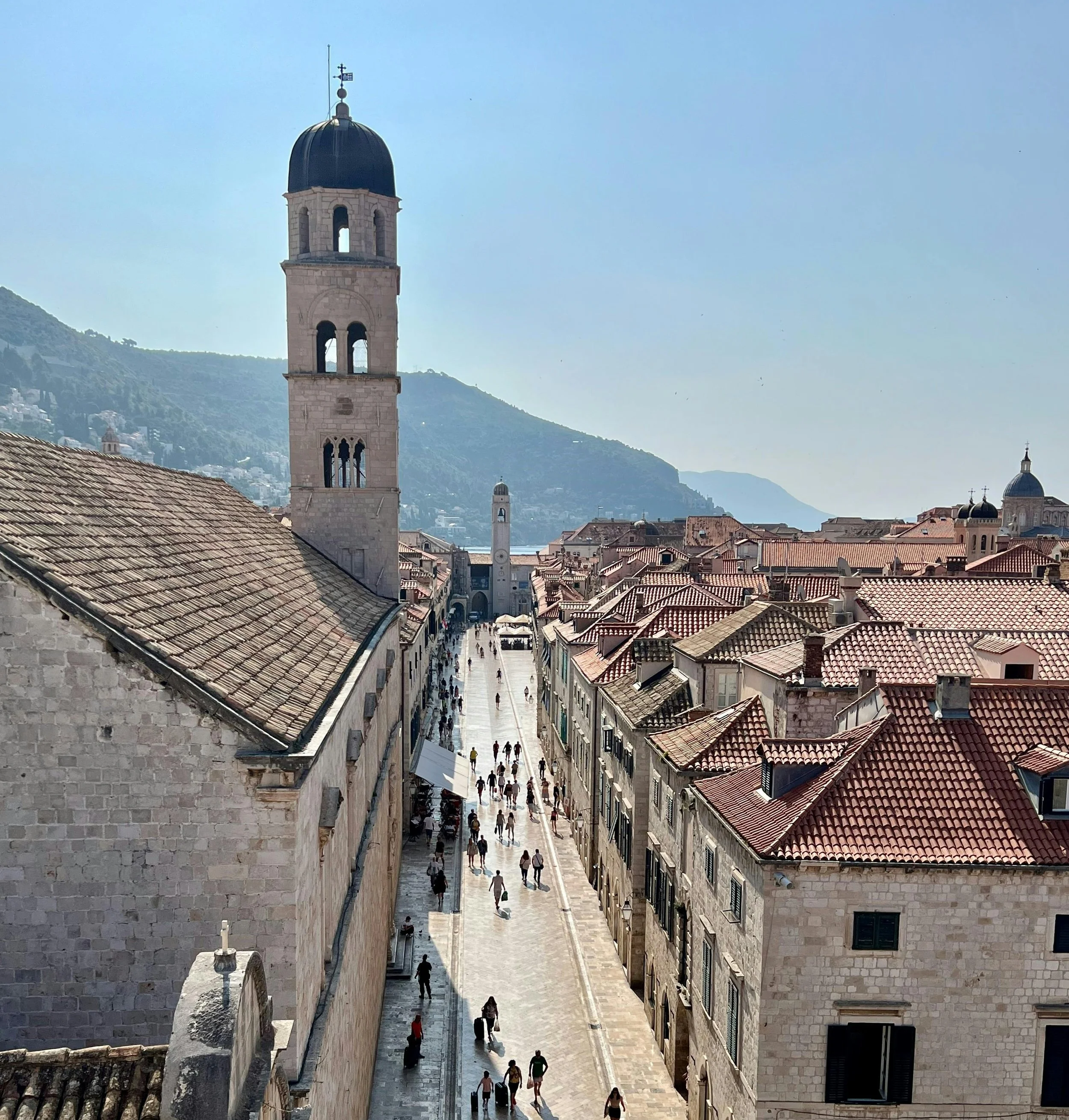
When you arrive in Dubrovnik, head straight for the Old Town. In the summer, there can be a very long line just to enter the walled city, but in March, you can walk right in—that alone is worth the off-season trip. We spent the afternoon exploring the Stradun (the main limestone-paved street), the Dominican Monastery, and the small side streets that climb up toward the walls.
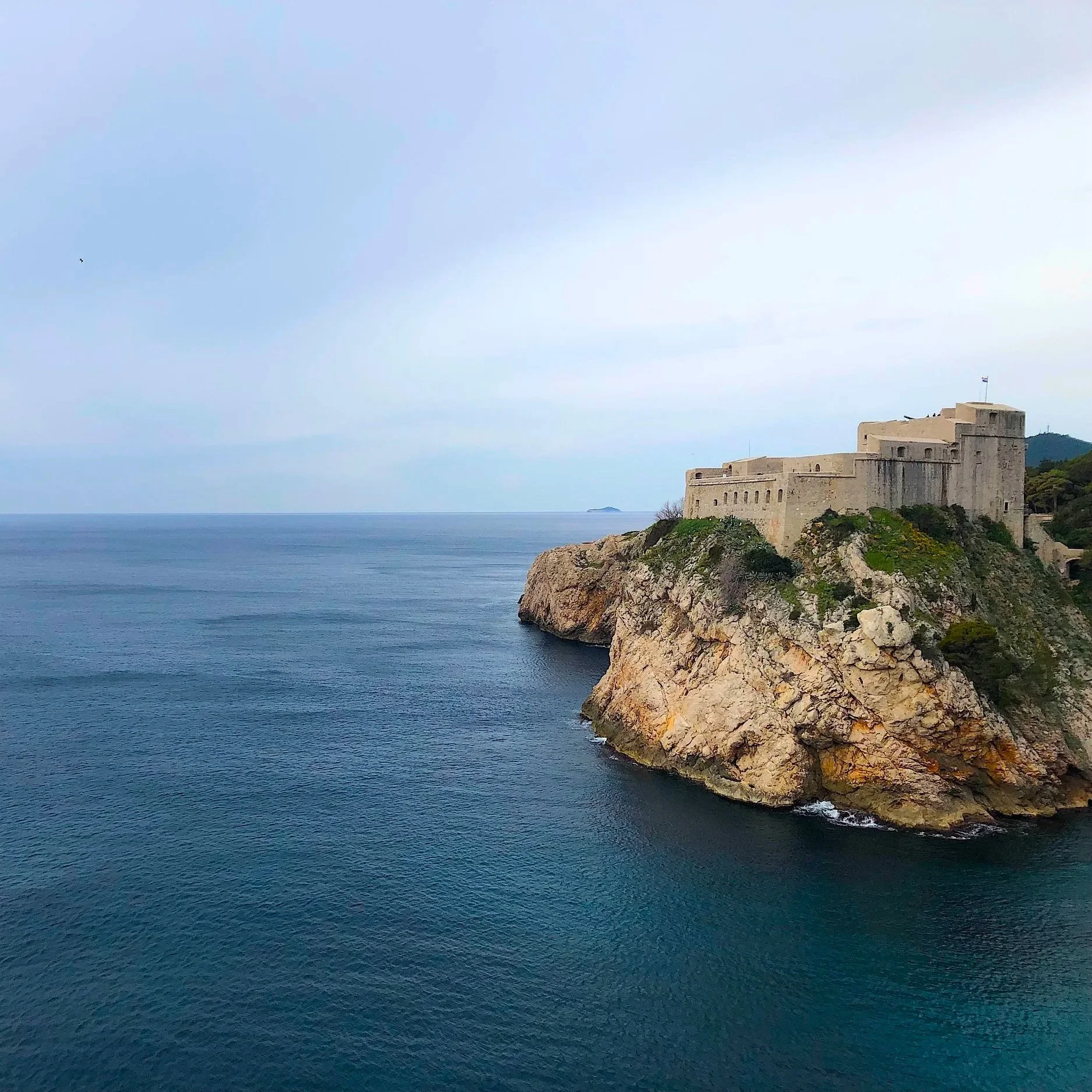
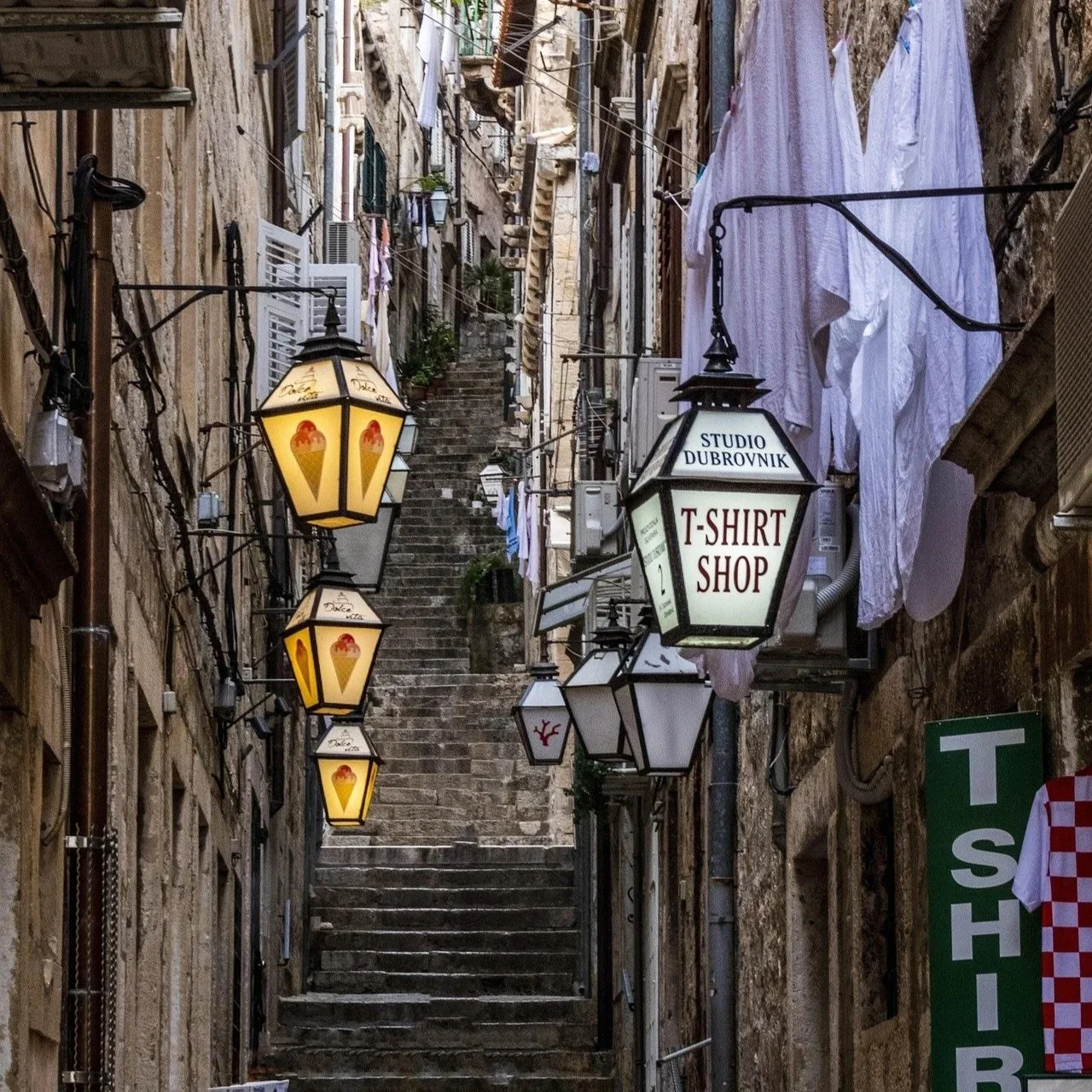
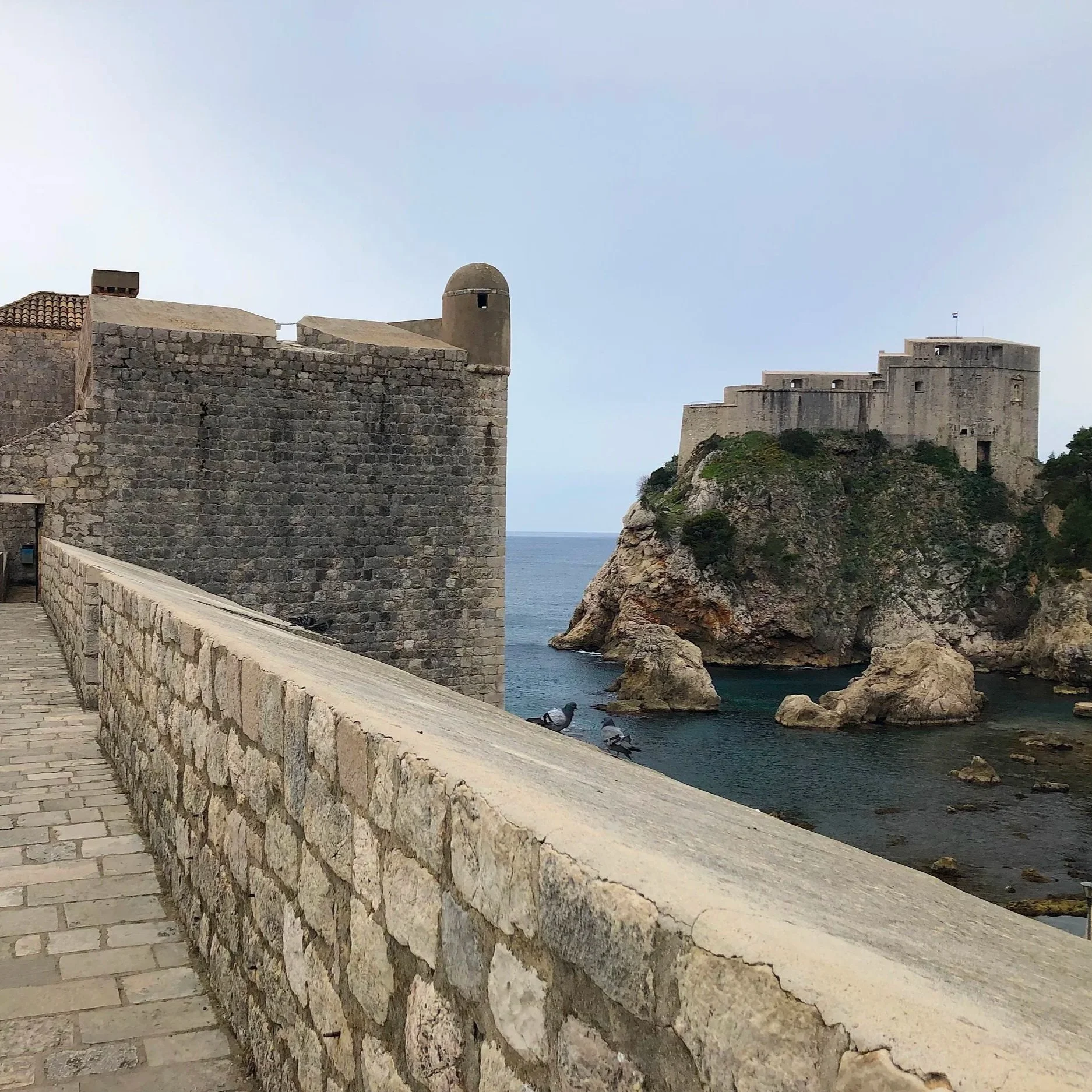
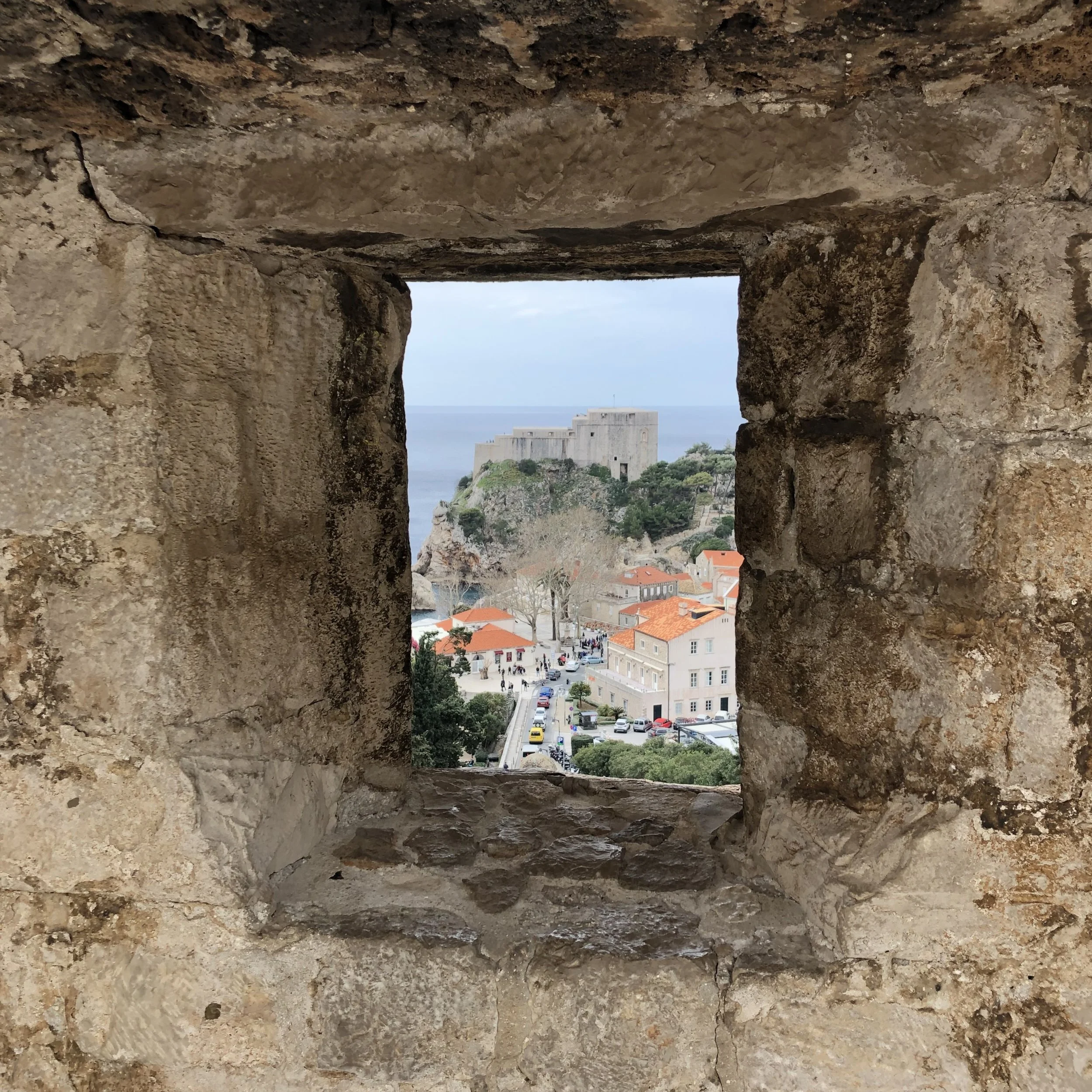
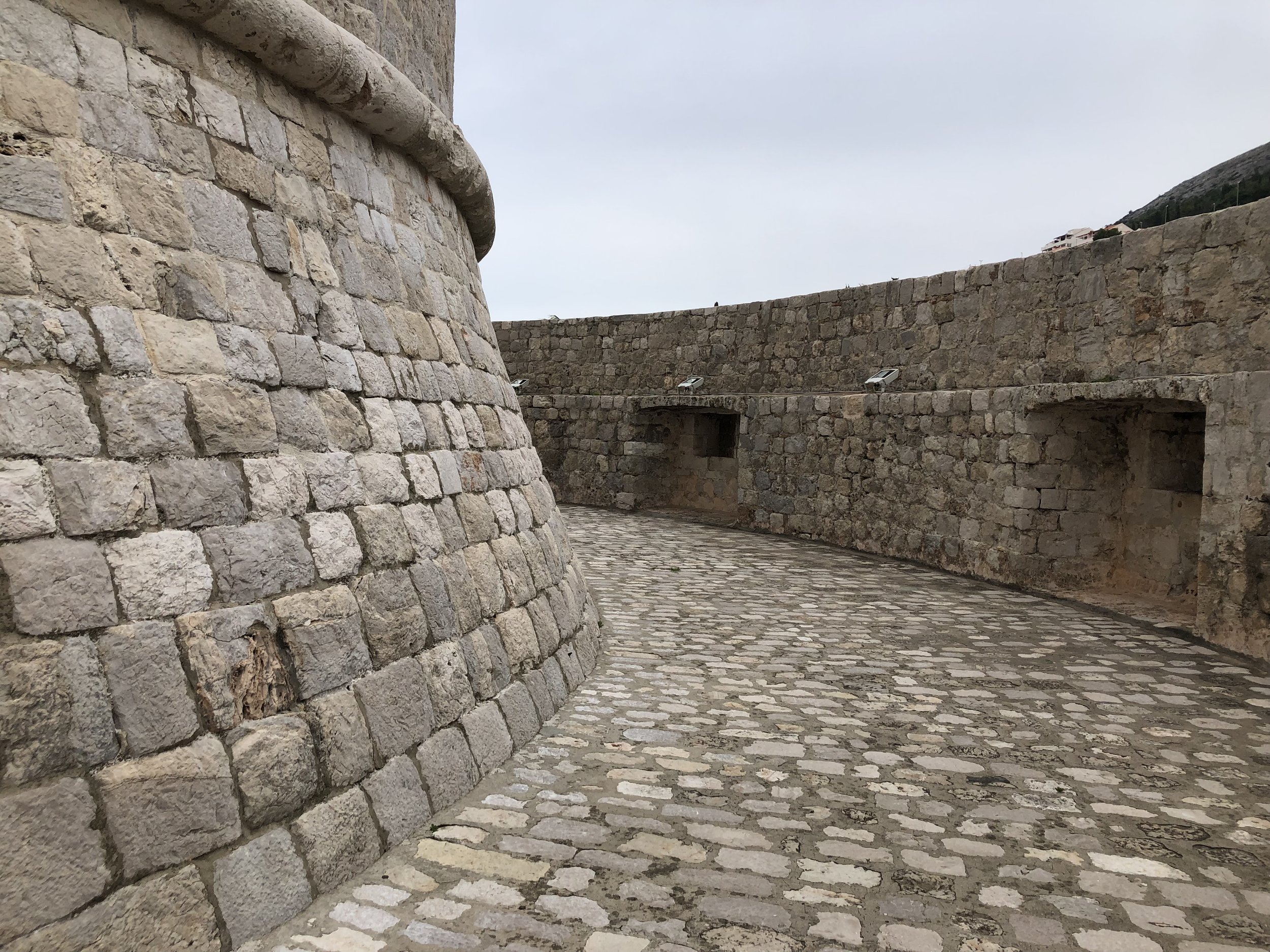
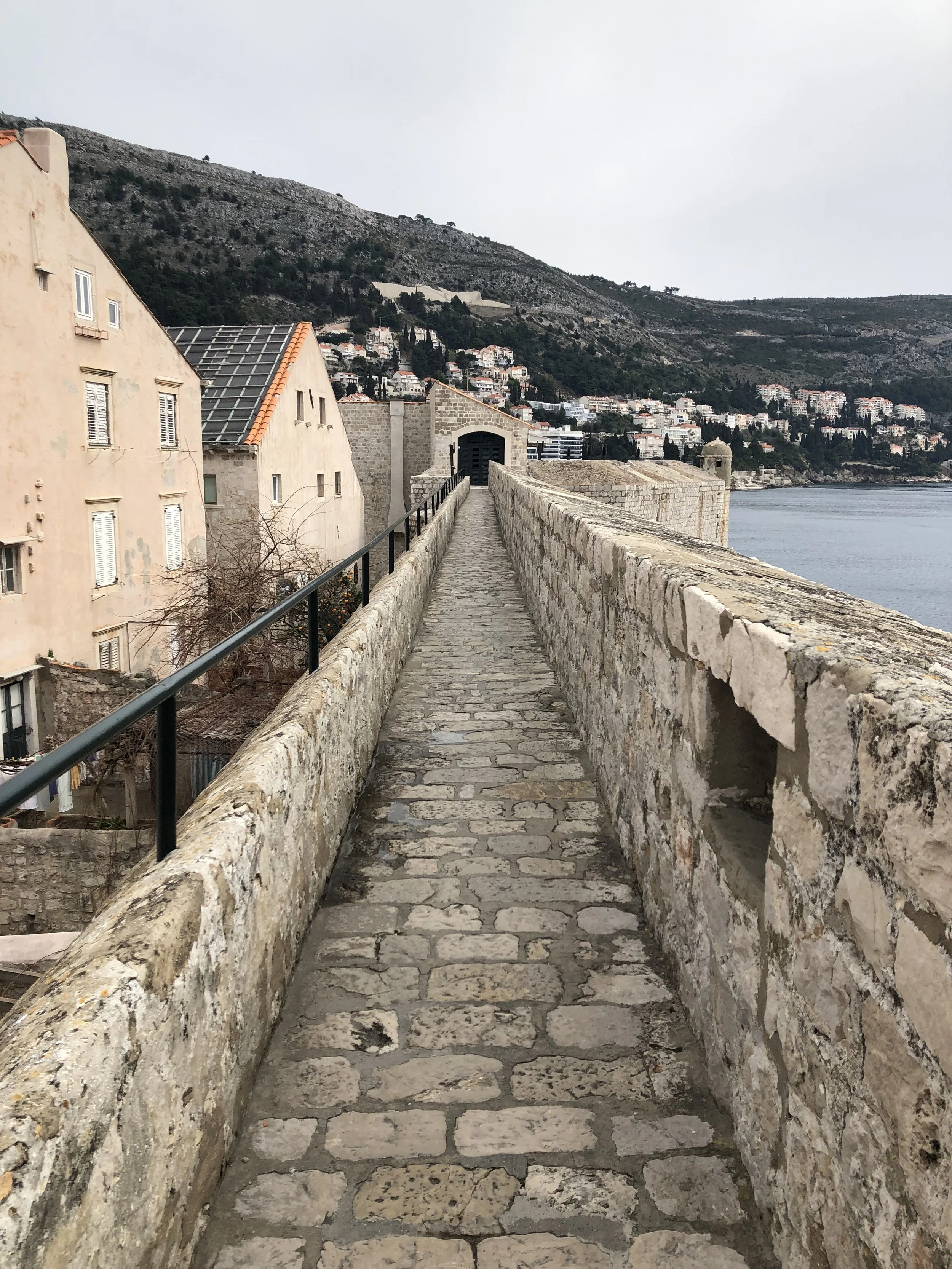
On day six, we walked the City Walls first thing in the morning. It takes about two hours and the views of the Adriatic and the terracotta rooftops are some of the best you’ll see anywhere.
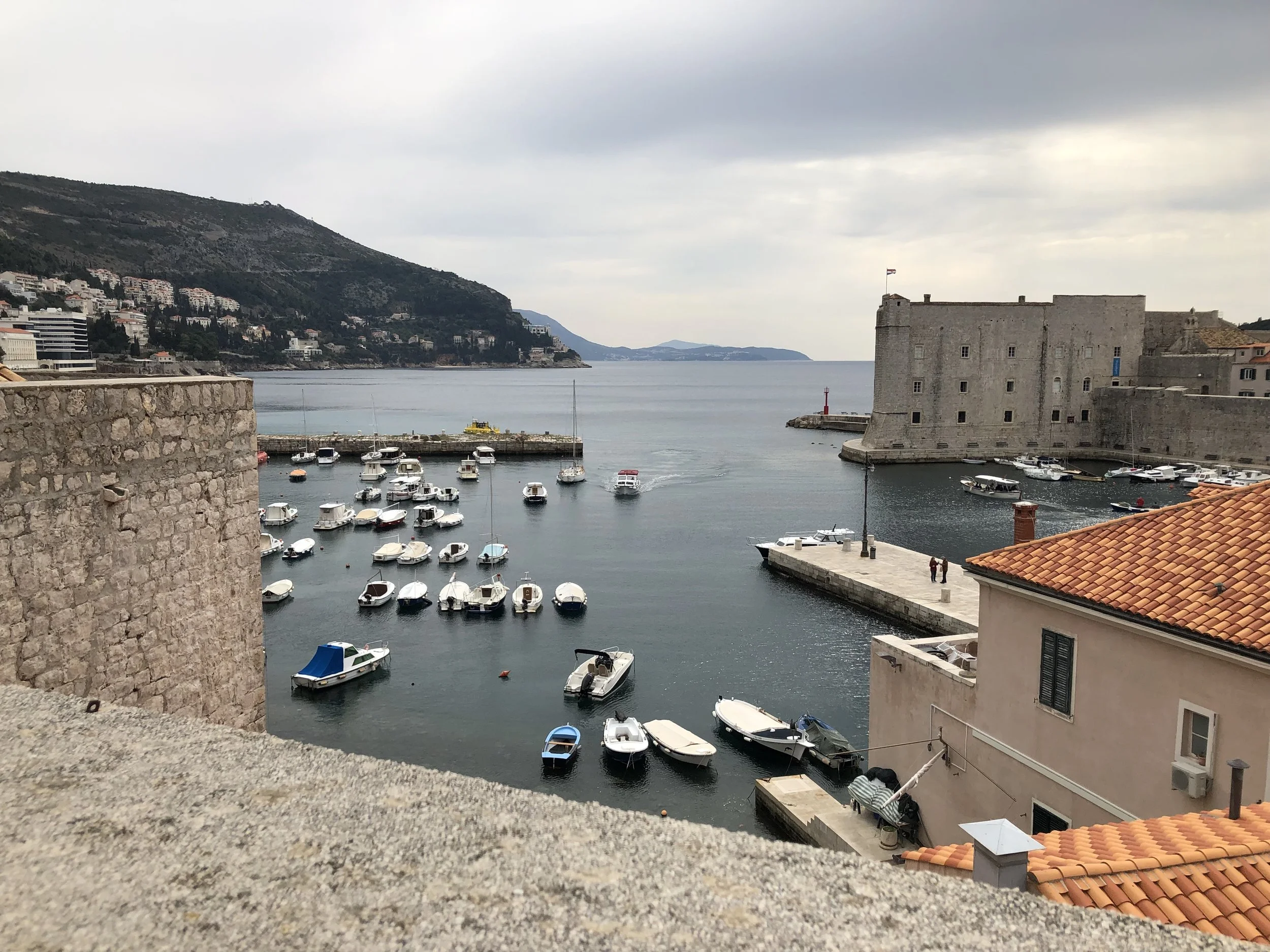
That evening, we drove up to Mount Srđ for the sunset—you can drive up or take the cable car - and watched the sun drop behind the walled city from above. This was a core memory for us. The whole city is laid out below you and the sea beautifully stretches to the horizon.
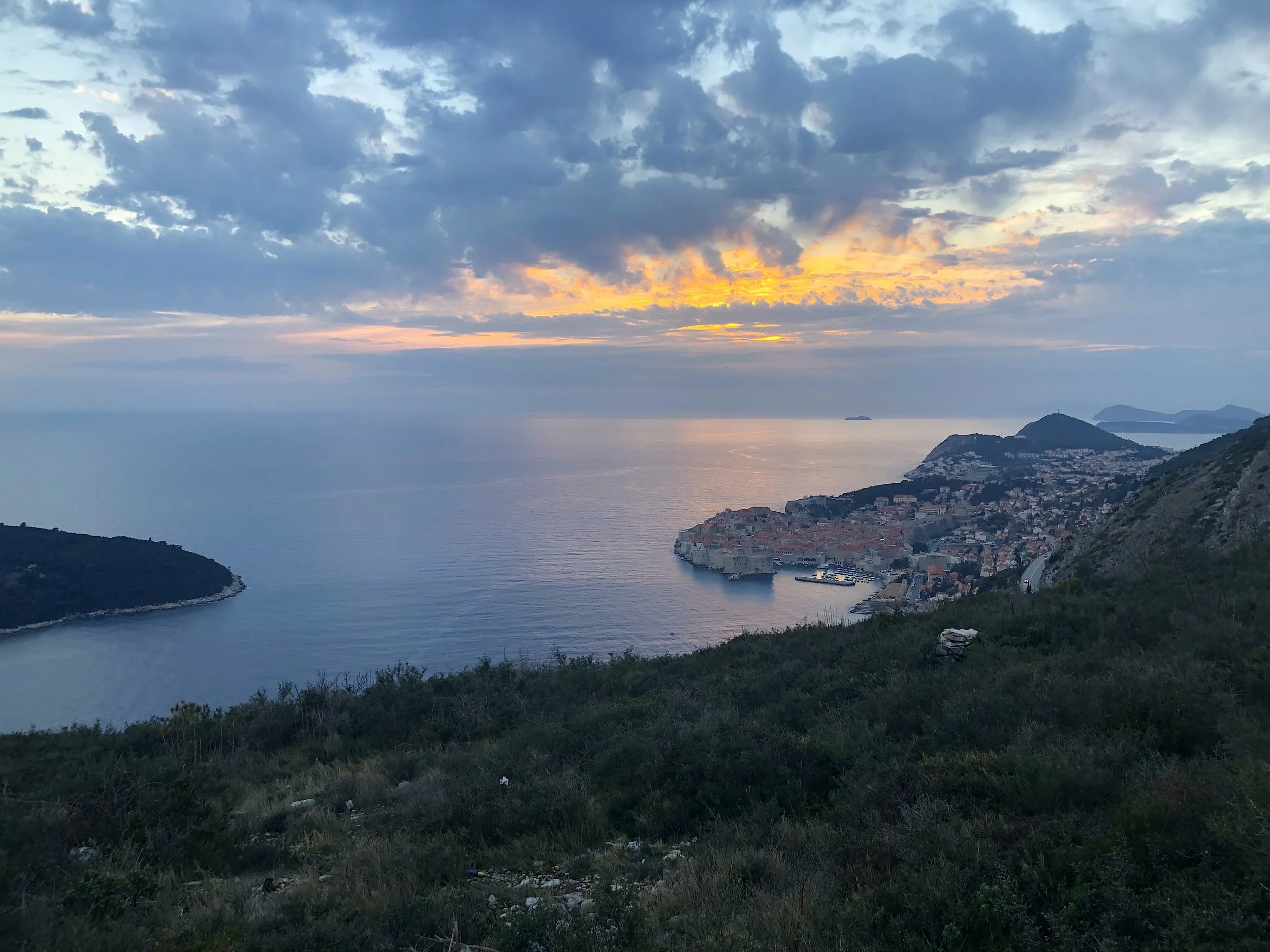
Day 7: Ston & Zadar (driving back north)
On our last full day, we made the drive back north toward Zagreb, but with two stops that made it feel like a bonus day rather than just a travel day.
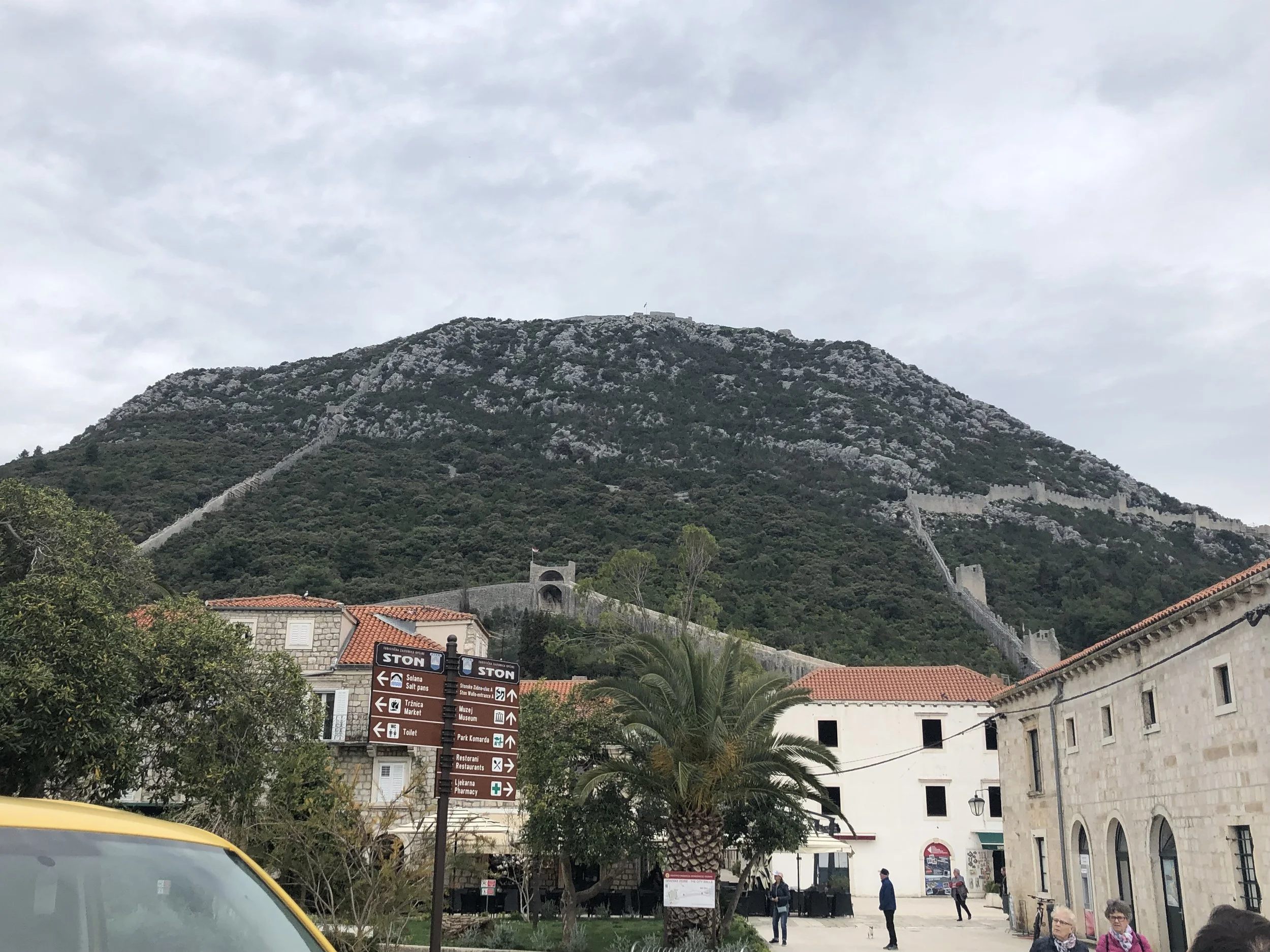
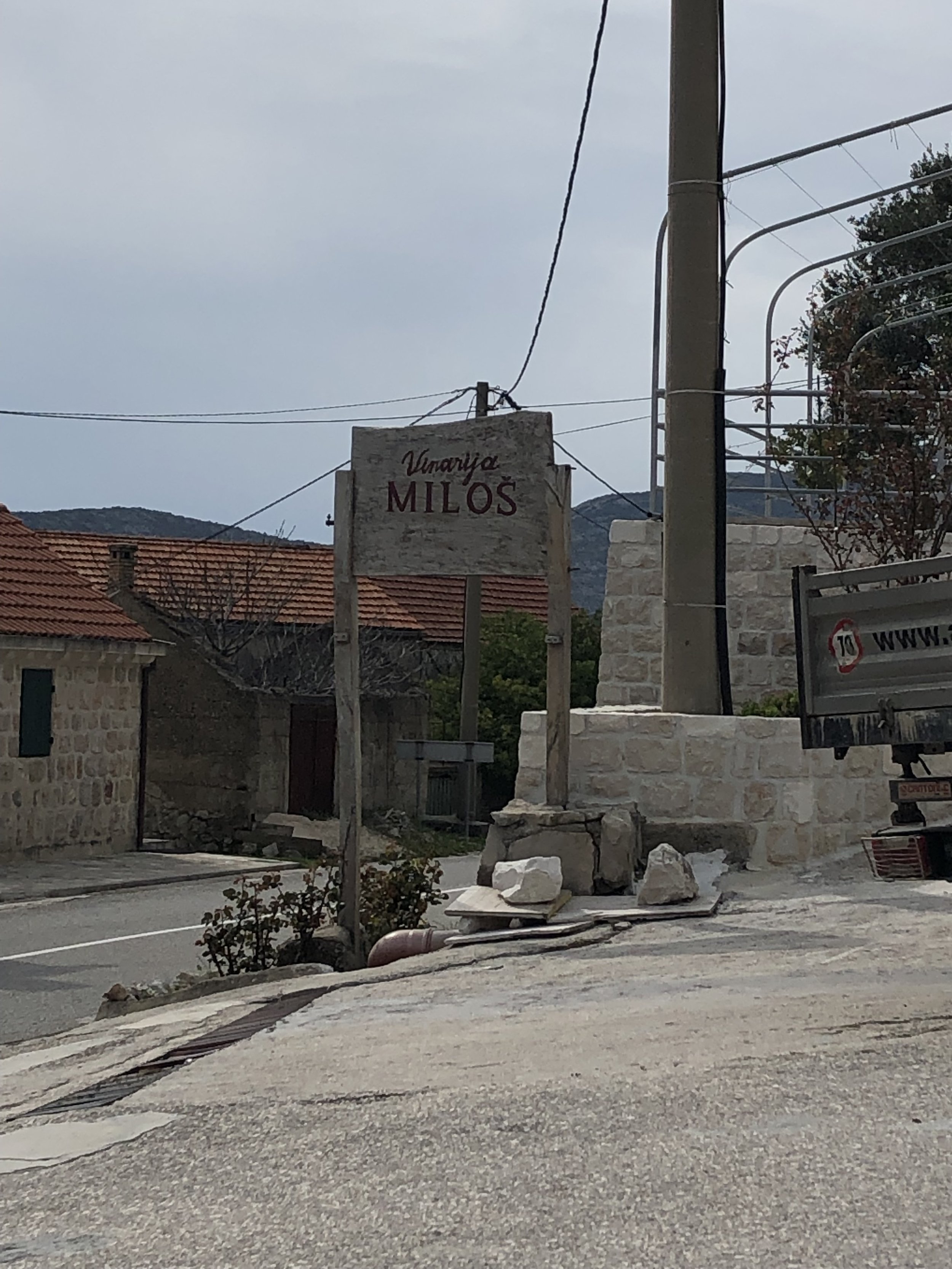
First, Ston: a small town about an hour north of Dubrovnik that’s famous for two things: oysters and its medieval walls (the longest fortified walls in Europe outside of China, depending on who you ask). We stopped at Milos Winery for a tasting. Their wines are excellent and the setting is beautiful.
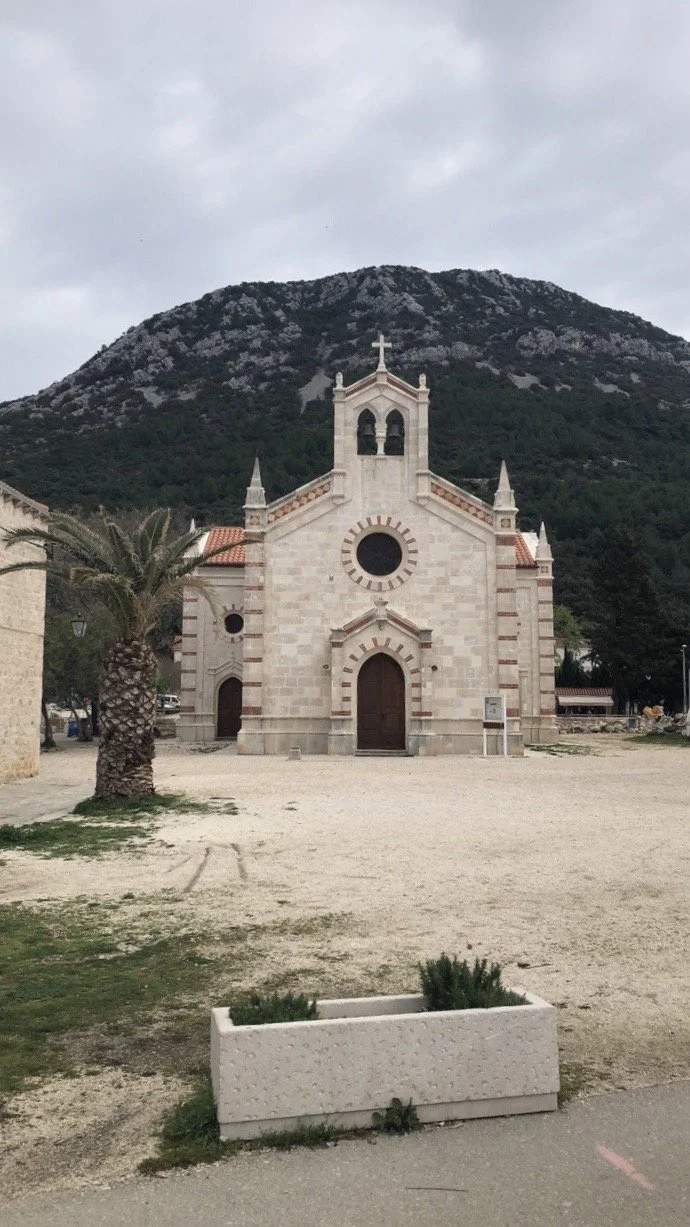
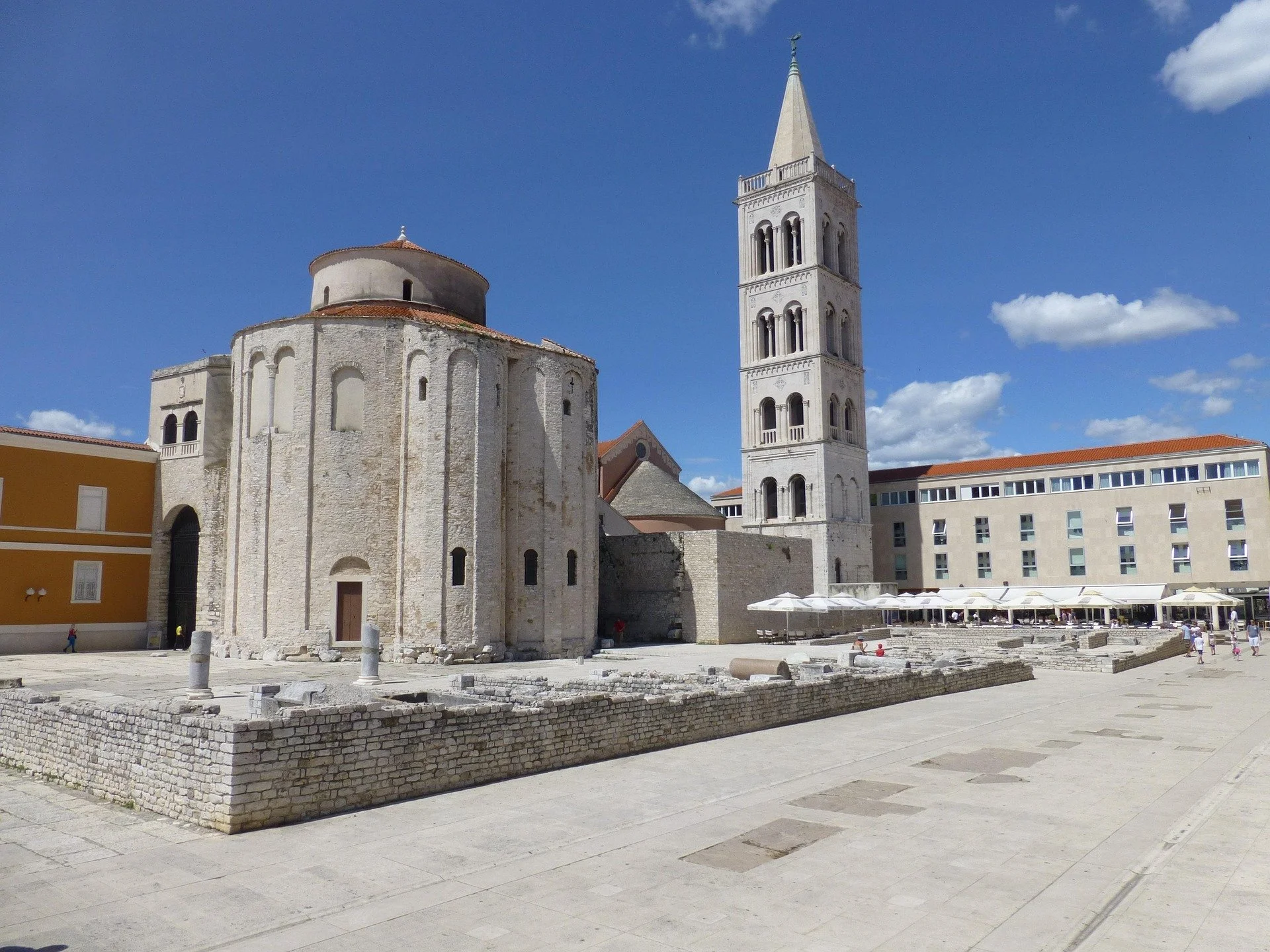
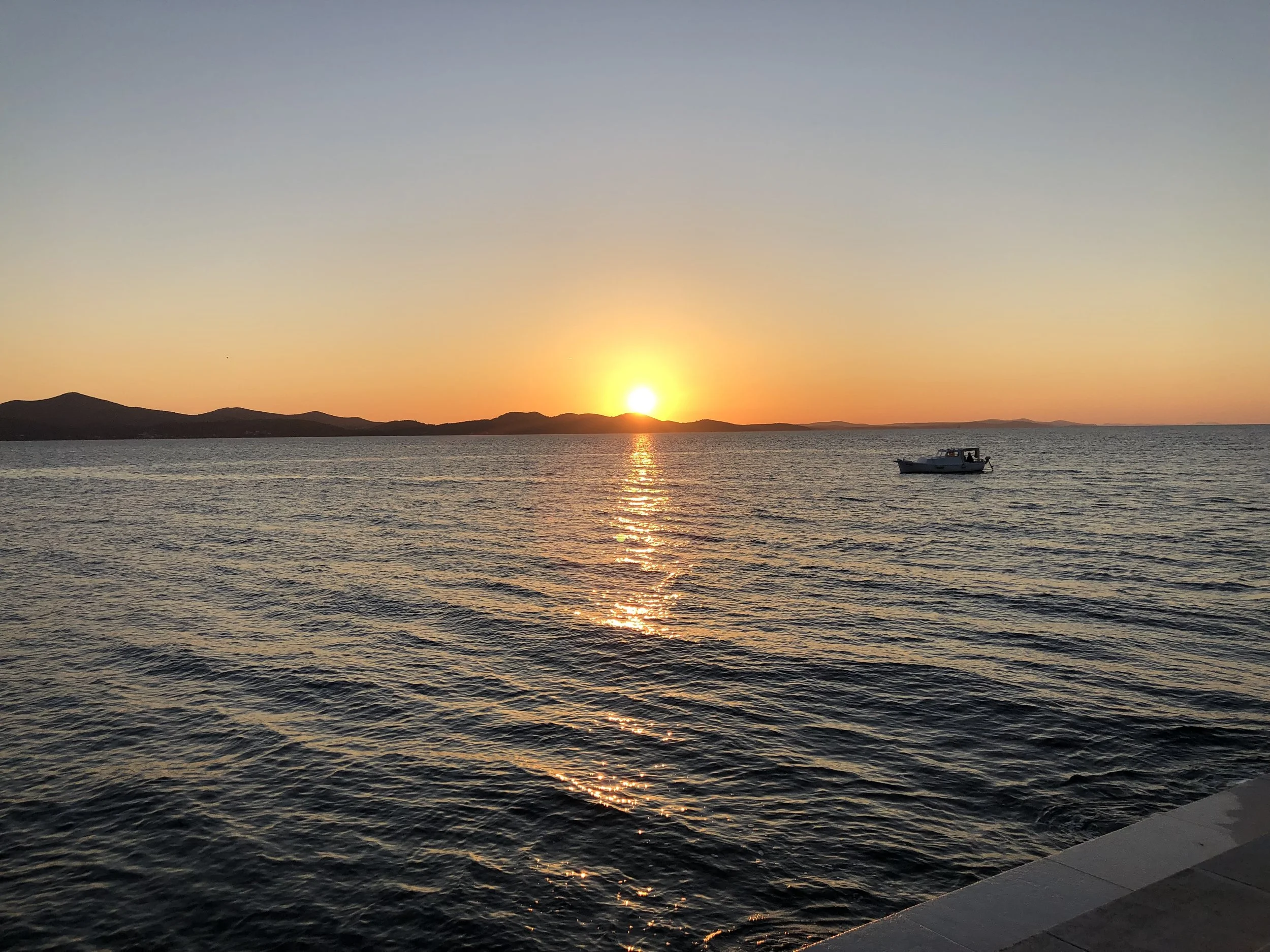
Then we continued north to Zadar to see the Sea Organ, an architectural installation built into the stone steps along the waterfront that uses wave movement to produce music. The sound changes with the sea, and at dusk, the nearby Sun Salutation installation (a solar-powered light display embedded in the promenade) makes it even more magical. It was the perfect way to close out the trip before making the final drive back to Zagreb to fly home.
Need to know
Going in the off-season is great, but it comes with real trade-offs. Here’s the honest breakdown.
The good
Way fewer tourists - you can walk into the Dubrovnik Old Town without a line and have Plitvice almost to yourself.
Lower prices on accommodation and car rentals
A slower, more relaxed atmosphere - locals are friendlier when they’re not completely overwhelmed.
Great for flexible, crowd-averse travelers
The not-so-good
Many restaurants and wine tasting rooms are closed or have limited hours. Always call ahead.
Ferry schedules are dramatically reduced (some islands only have one trip in/out per day).
Weather is chilly. Pack layers, and don’t count on beach time.
Rental car support is more limited - we broke down and it took significantly longer to get help than it would in peak season. Make sure your rental company has roadside assistance that covers Croatia.
Renting a car
A rental car is 100% the right call for this itinerary. The coast road (the Adriatic Highway) is beautiful, driving between cities is easy, and having a car gives you the freedom to stop at small towns along the way.
Just note: if you’re crossing into Bosnia (through the Neum corridor on the way to Dubrovnik), make sure your rental agreement allows cross-border travel, as some budget companies don’t. Also, parking in Dubrovnik’s Old Town area is expensive and limited—use the Gruz area parking or your hotel’s lot.
Language & currency
Croatia joined the Eurozone in 2023, so the currency is now the Euro. No need to worry about exchanging to kuna anymore.
English is widely spoken in tourist areas, but learning a few basic Croatian phrases (hvala = thank you, molim = please) goes a long way with locals, especially in the off-season.
Food & drink highlights
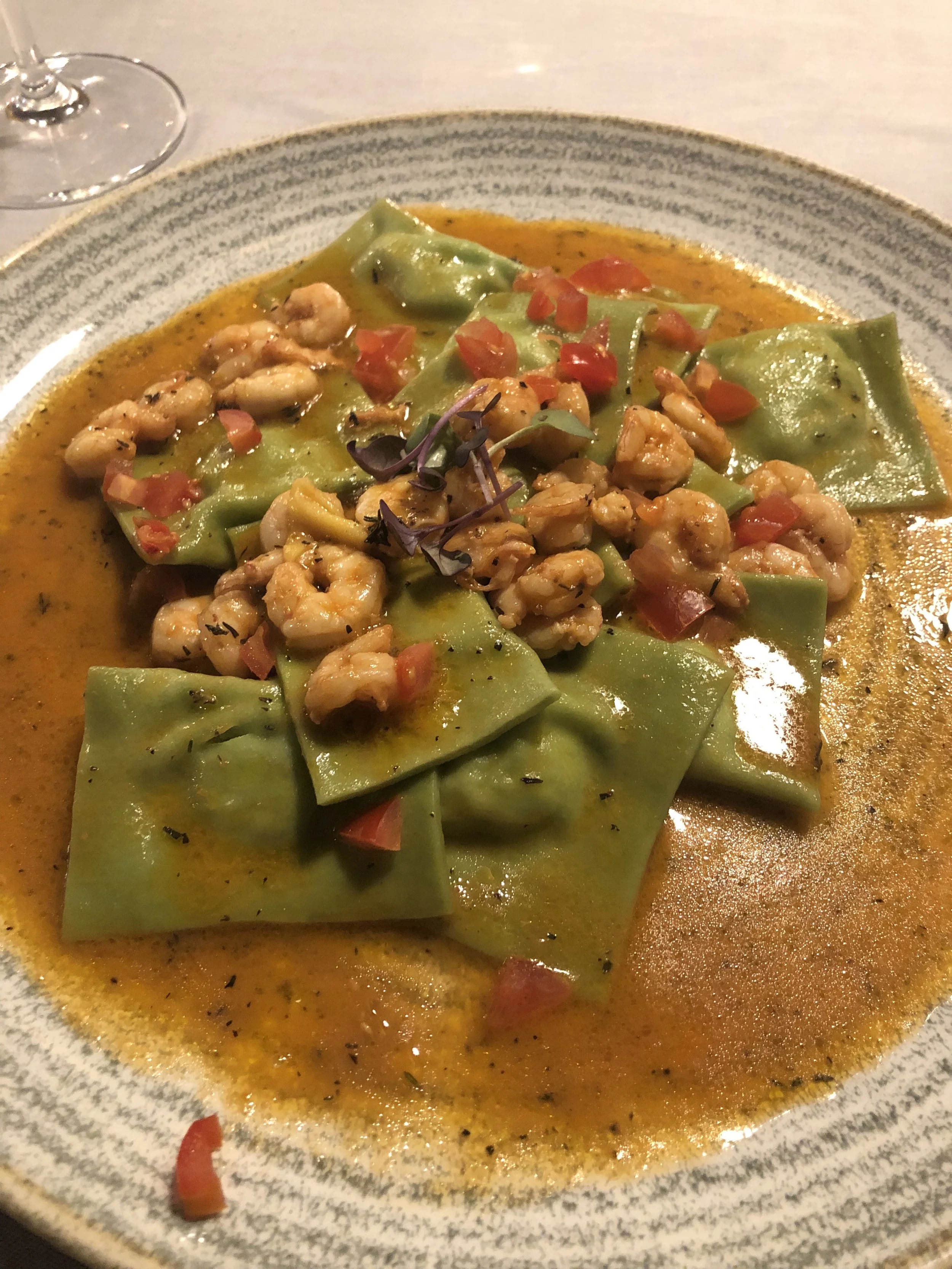
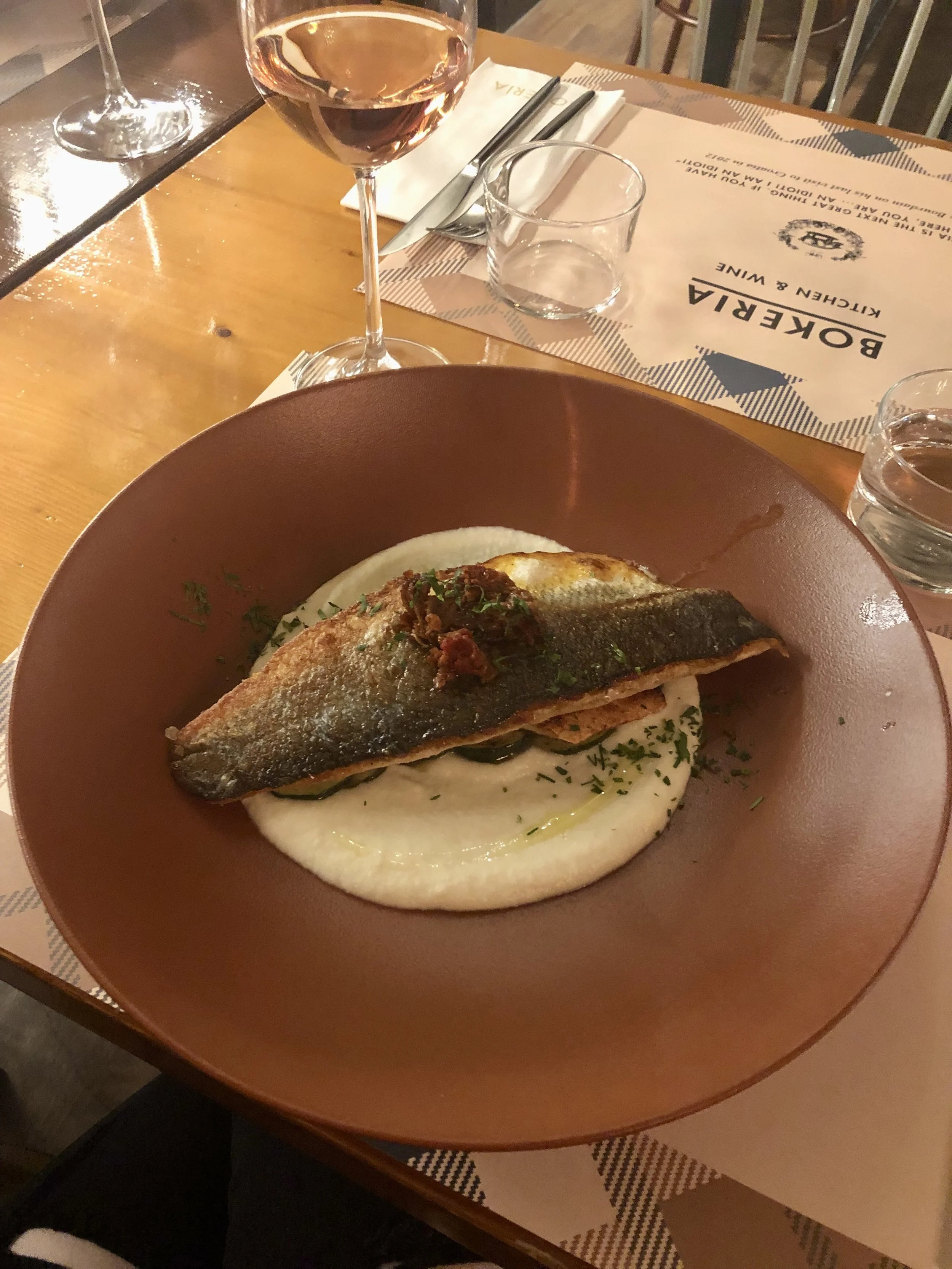
Fresh seafood and local wine are the stars. Along the Dalmatian coast, look for grilled fish, peka (meat or seafood slow-cooked under a bell), and pš (oysters) - especially in Ston, which is famous for them. Dalmatian wines, particularly whites like Posip and Grasevina, and reds like Plavac Mali, are genuinely excellent and criminally underrated. If you get the chance to visit any wineries, do it. Some restaurant and winery recommendations include:
Boban Restaurant in Zagreb
Bornstein Wine Bar & Shop in Zagreb
Brokeria in Split
Vina Tomic in Hvar
Milos Winery in Ston
Trattoria Canziba in Zadar
