Croatia for Wine Lovers: A Guide to Drinking Your Way Down the Dalmatian Coast
When most people think European wine country, they picture Tuscany or Bordeaux. They're not thinking about a small Adriatic nation with 2,000-year-old indigenous grapes grown on limestone cliffs above the sea — but after a week driving the Dalmatian coast, it’s one worth adding to your bucket list.
Why Croatia Should Be on Every Wine Lover’s Radar
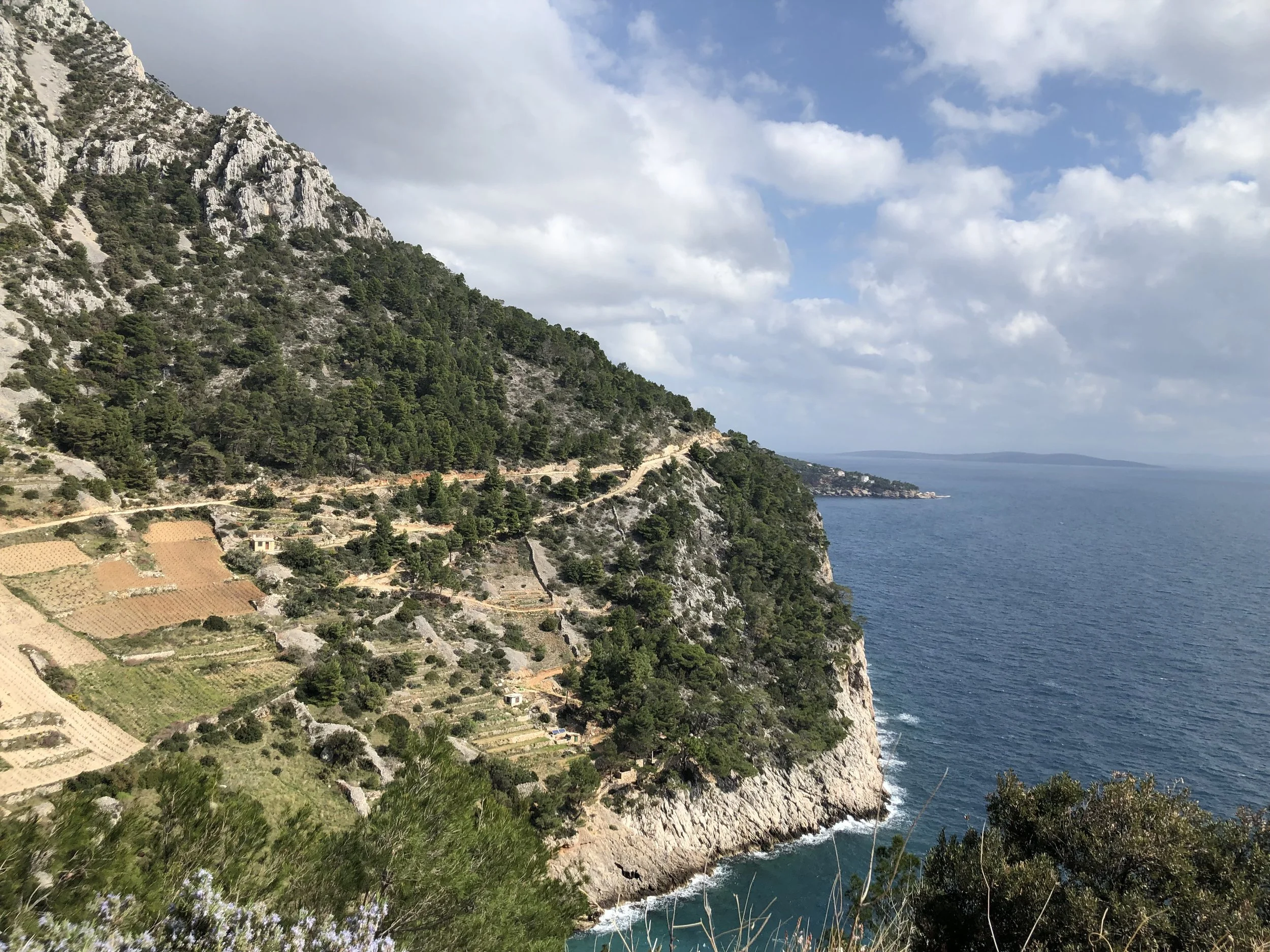
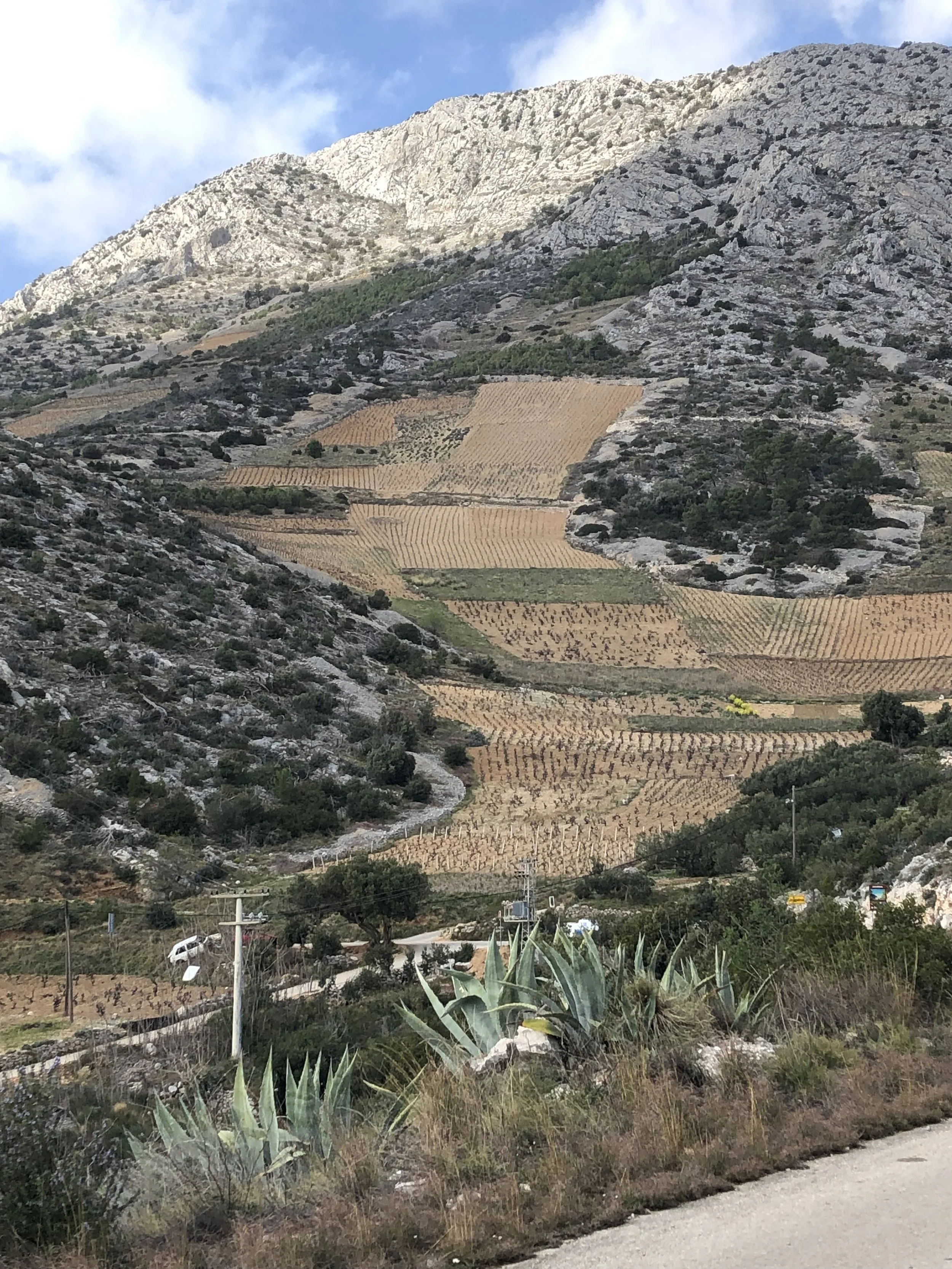
Croatia is one of those wine destinations that most people completely overlook — which is something I’m single-handedly trying to change. The country has been producing wine for over 2,000 years, the grapes are almost entirely indigenous varieties you won’t find anywhere else in the world, and the scenery you’re drinking in front of is spectacular. Limestone cliffs, turquoise water, stone villages — it’s a pretty good backdrop for a glass of wine. We drove the Dalmatian coast from Zagreb to Dubrovnik over 7 days and worked in wine stops almost every single day, and here’s what we learned.
The Grapes You Need to Know
Before you go, it helps to know what you’re working with. Croatian wine is almost entirely built around native varieties that aren’t really grown anywhere else, which makes it genuinely exciting if you’re into wine. Here are the main ones you’ll encounter on the Dalmatian coast:
Plavac Mali (Red)
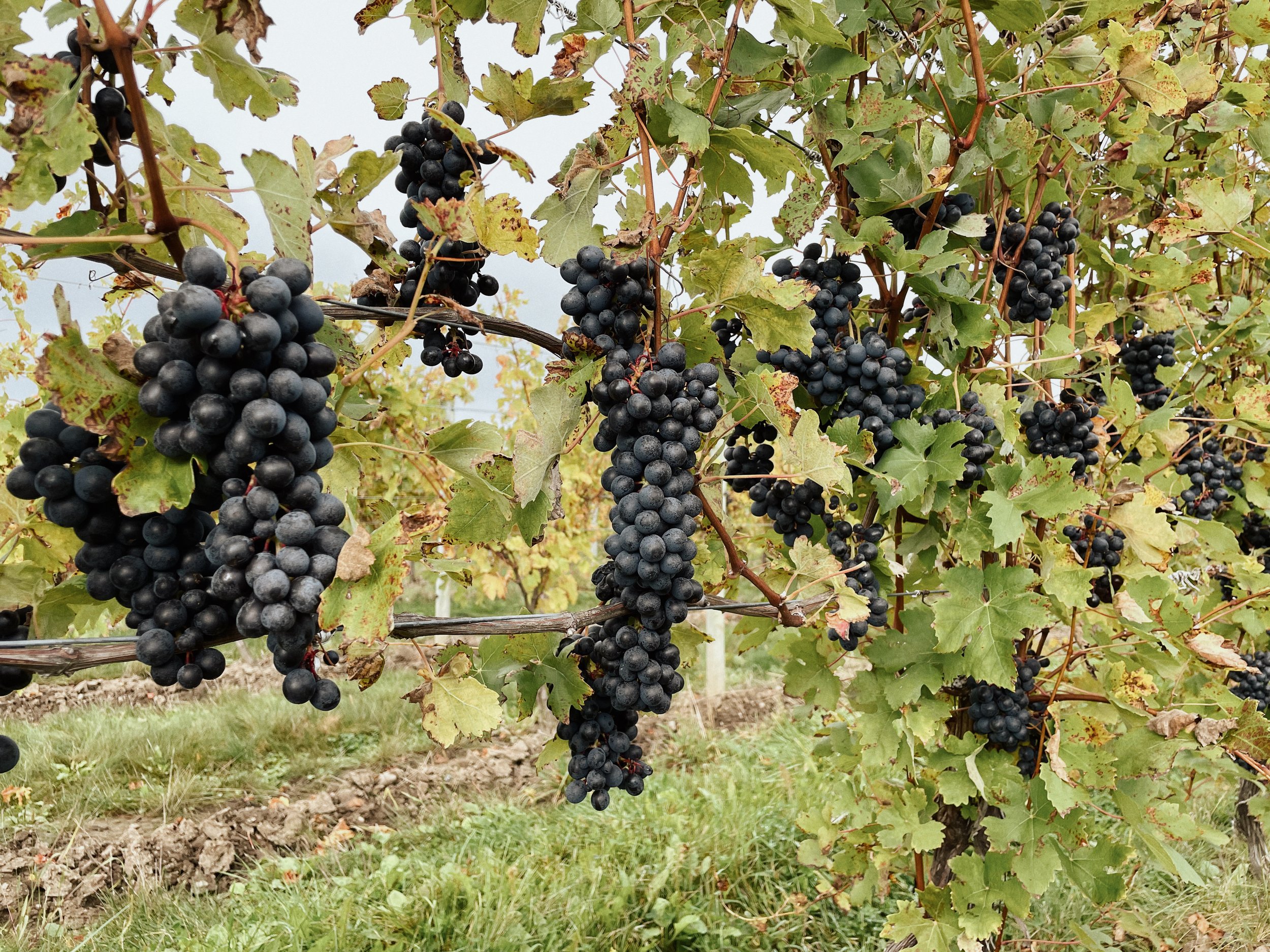
This is the flagship red grape of Dalmatia, and it’s a big, bold, full-bodied wine with a red deep color, high alcohol content, rich blackberry and cherry fruit with some smoke and spice. It thrives on steep, south-facing limestone slopes above the sea, and its best expressions come from two protected appellations on the Pelješac Peninsula: Dingač and Postup. Dingač was Croatia’s first protected wine appellation (established back in 1961), and wines from that region are considered the gold standard. Fun fact: Plavac Mali is a descendant of Crljenak Kaštelanski, a Croatian grape that scientists have shown is the ancestor of Zinfandel. So if you love Zin, you’ll love this.
Pošip (White)
Pošip is the white wine of the Dalmatian coast and it’s really good — crisp, refreshing, with stone fruit and citrus notes and a nice minerality from the limestone soils. It’s primarily grown on the island of Koručla and pairs beautifully with fresh seafood. If you’re not a red wine person, this is your drink.
Rukatac & Bogdanuša (White)
These are indigenous whites you’ll find mainly on Hvar. They’re lighter and more aromatic than Pošip, with floral and herbal notes. Worth trying if you see them on a menu or at a tasting room.
Graševina (White)
More common in northern Croatia and the Zagreb region, Graševina is a versatile white that ranges from dry and crisp to sweeter late-harvest styles. You’ll encounter it at wine bars in the capital.
Where We Drank & What You Should Know
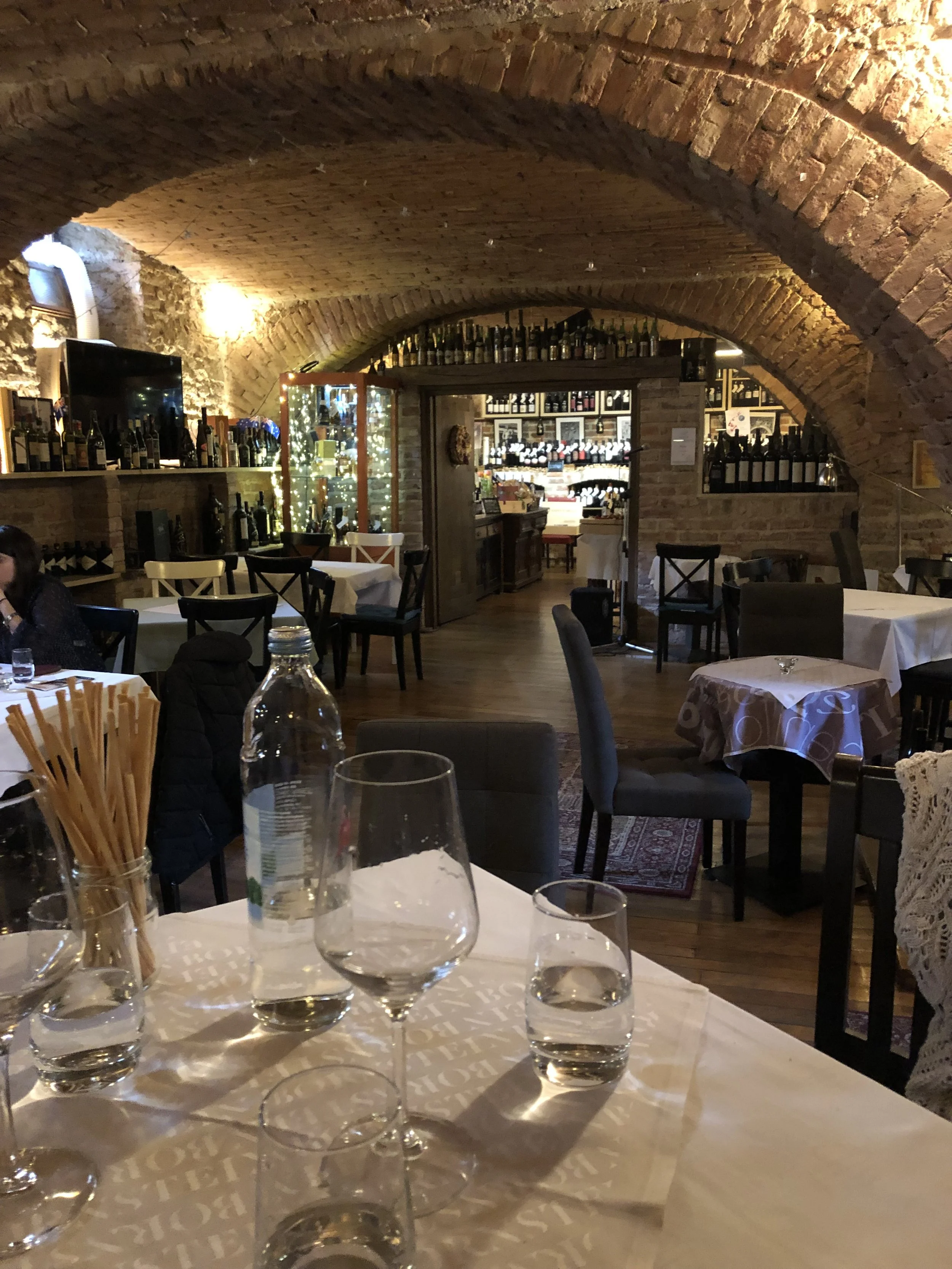
Zagreb: Bornstein Wine Bar & Shop
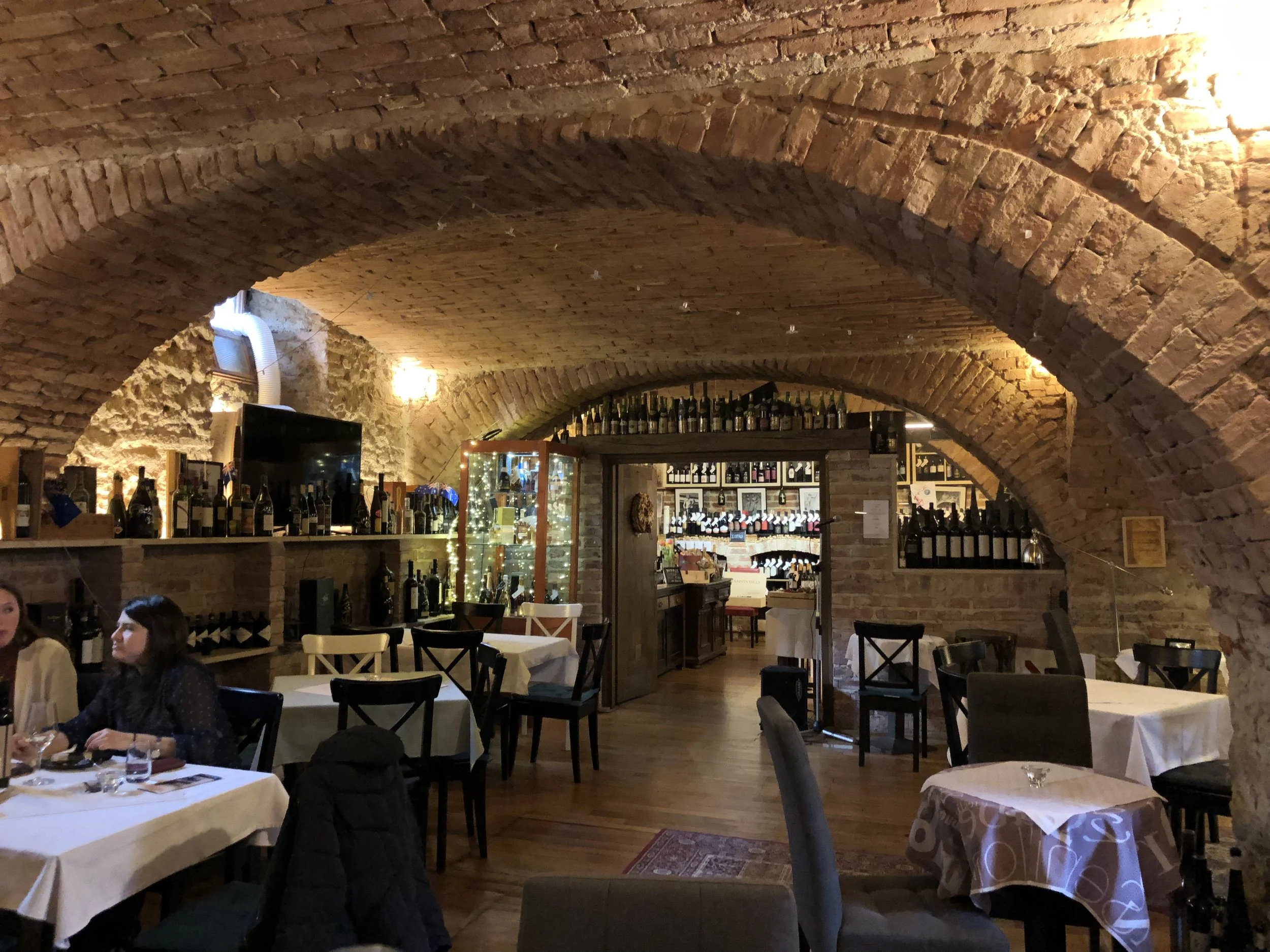
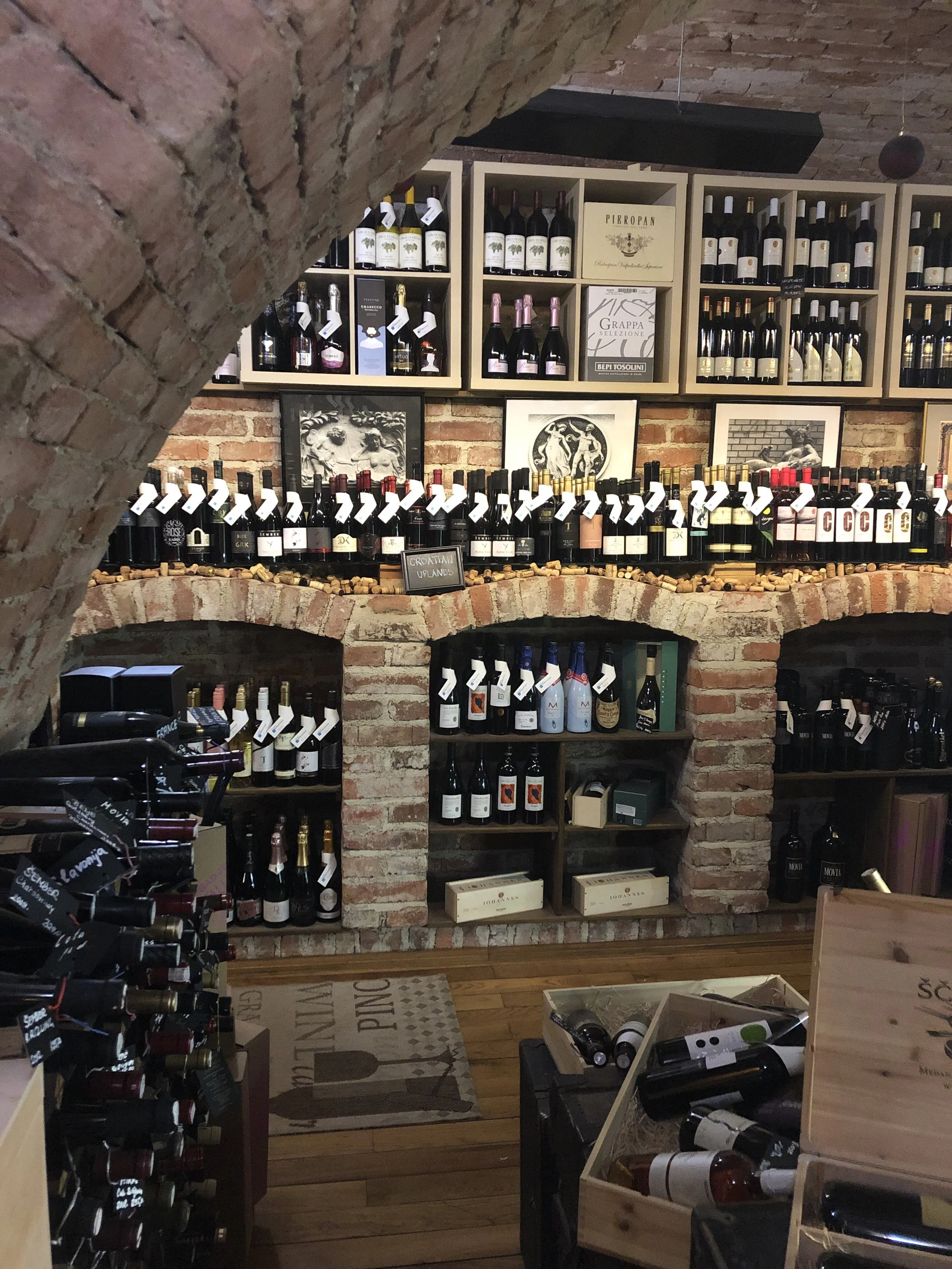
Bornstein is a wine bar and shop in the middle of Zagreb’s Upper Town, and it’s the perfect midday stop while you’re wandering the city. The selection is excellent — focused on Croatian producers — and the staff knows their stuff. It’s a great place to get your bearings on Croatian wine before heading south, and you can pick up bottles to take with you. Don’t skip this.
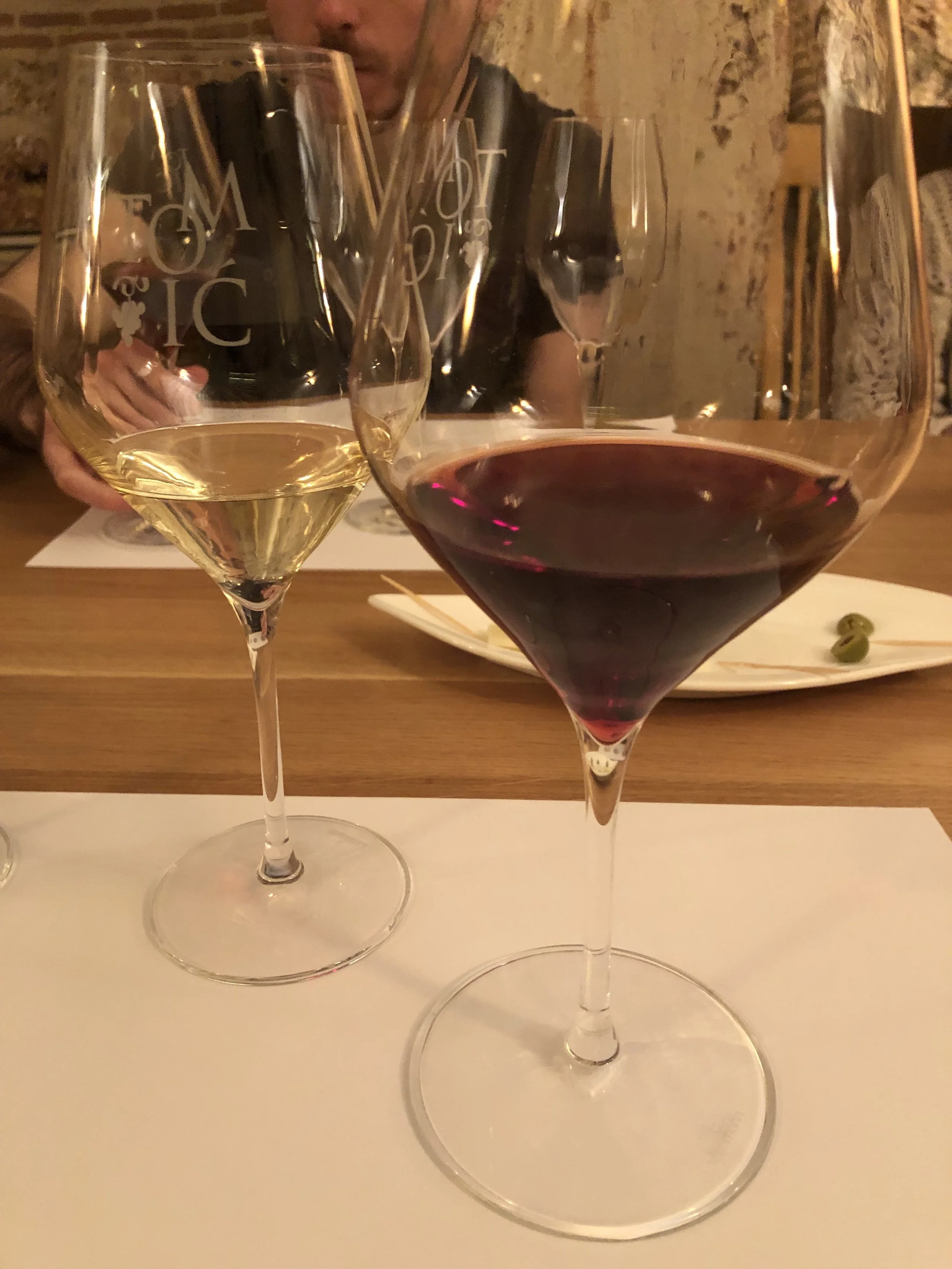
Hvar: Vina Tomić
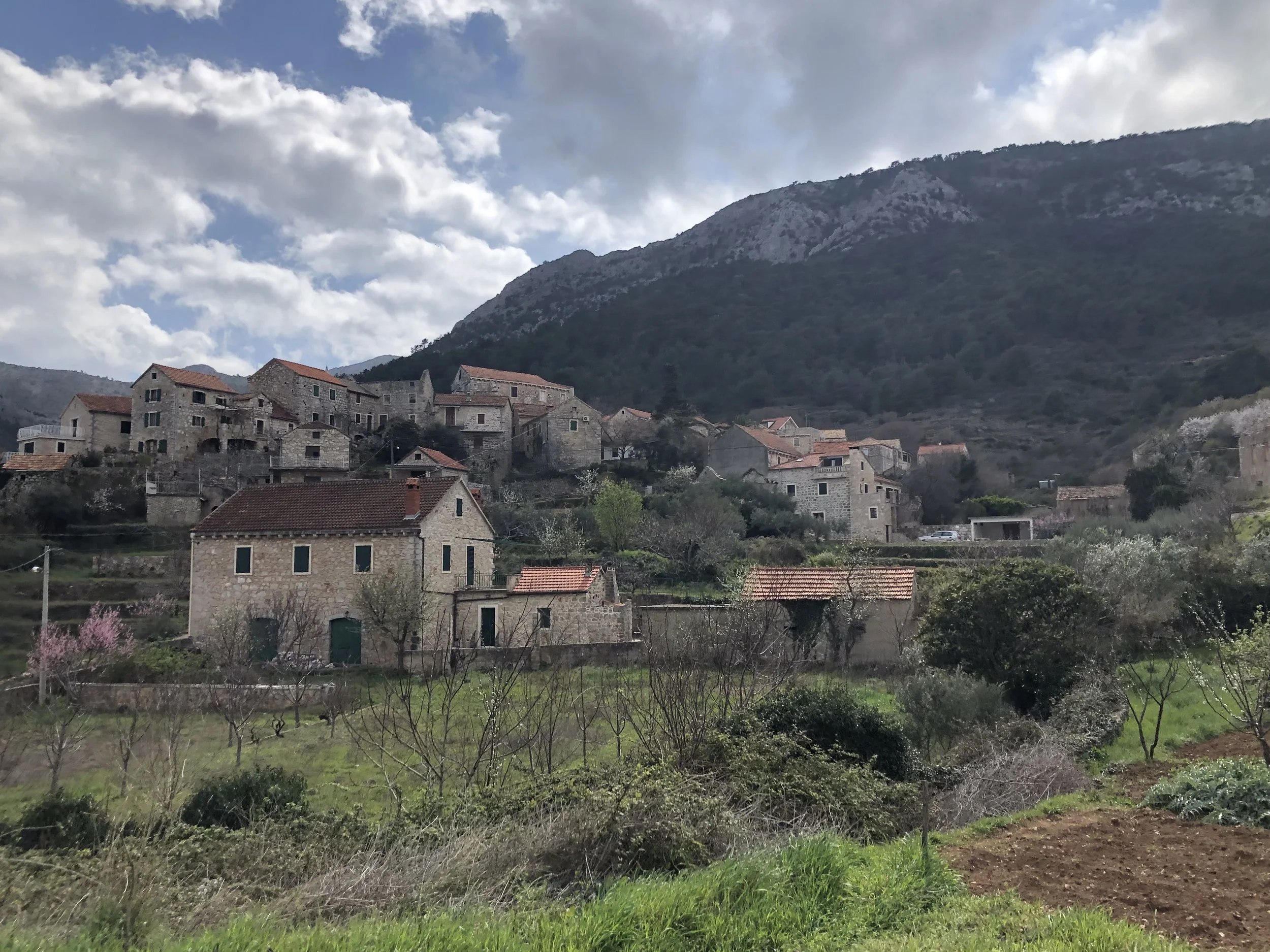
Hvar is Croatia’s most famous wine island, and Vina Tomić is one of its well-regarded producers. The winery sits in the interior of the island, surrounded by vineyards. We drove through the wine route from Stari Grad through Dol, Vrbanj, and Pitve, and the scenery alone is worth the detour — stone walls, olive trees, vines running right up to the road. One thing to know: if you’re visiting in the off-season (March, specifically), call ahead. We found a lot of places on Hvar were closed or had limited hours. Some wineries will still open for you if you reach out in advance — so do that.
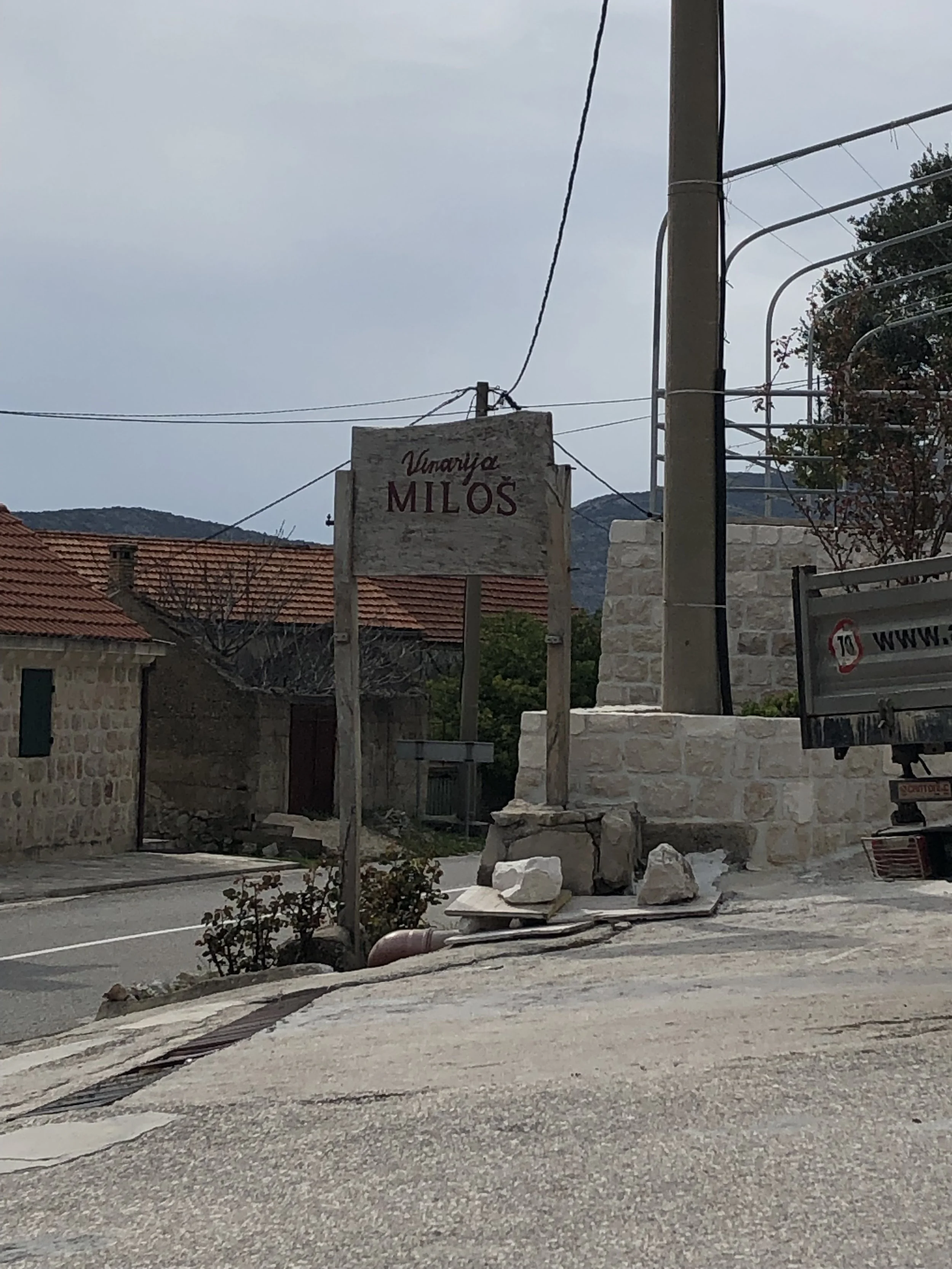
Ston: Milos Winery
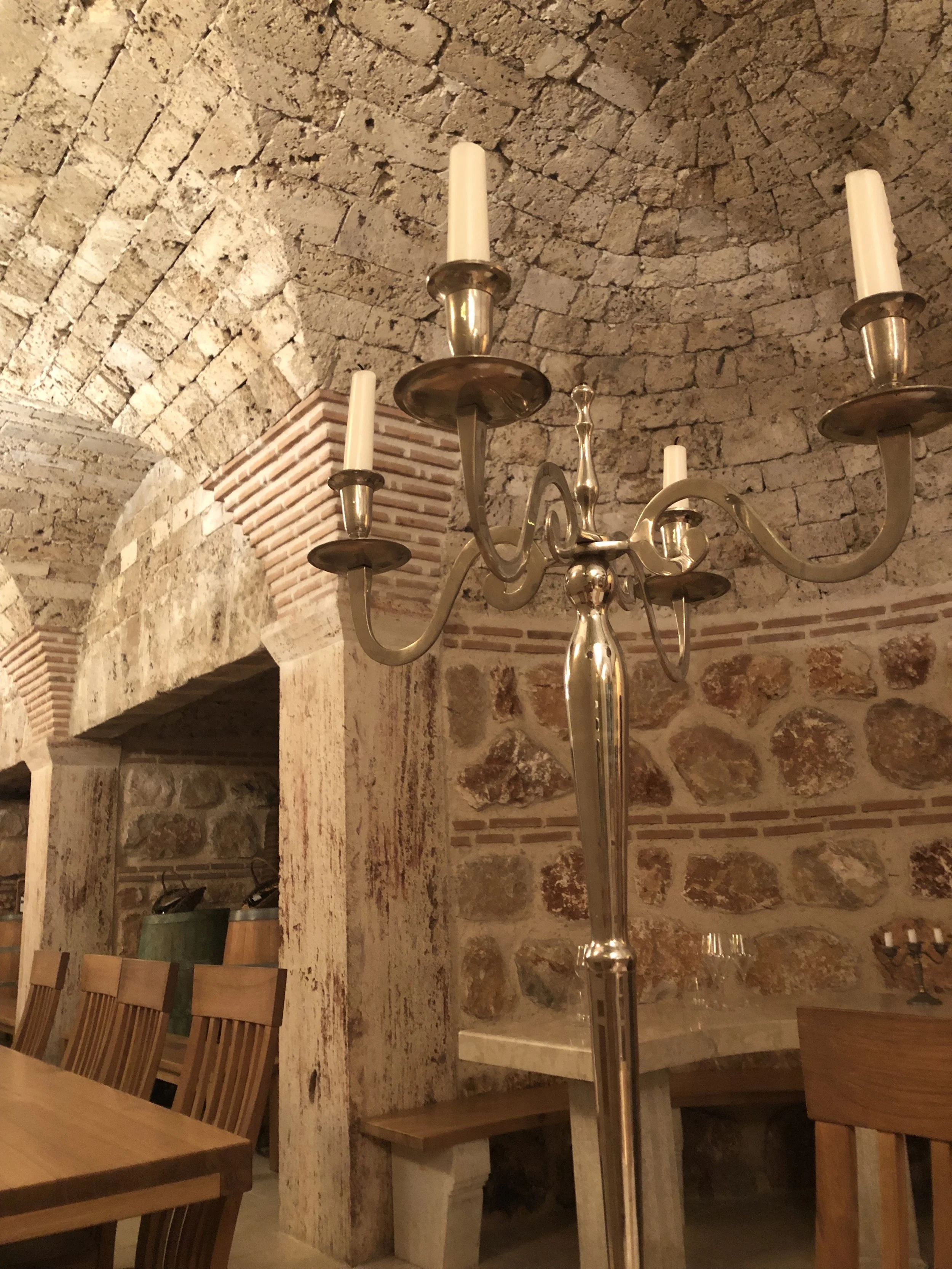
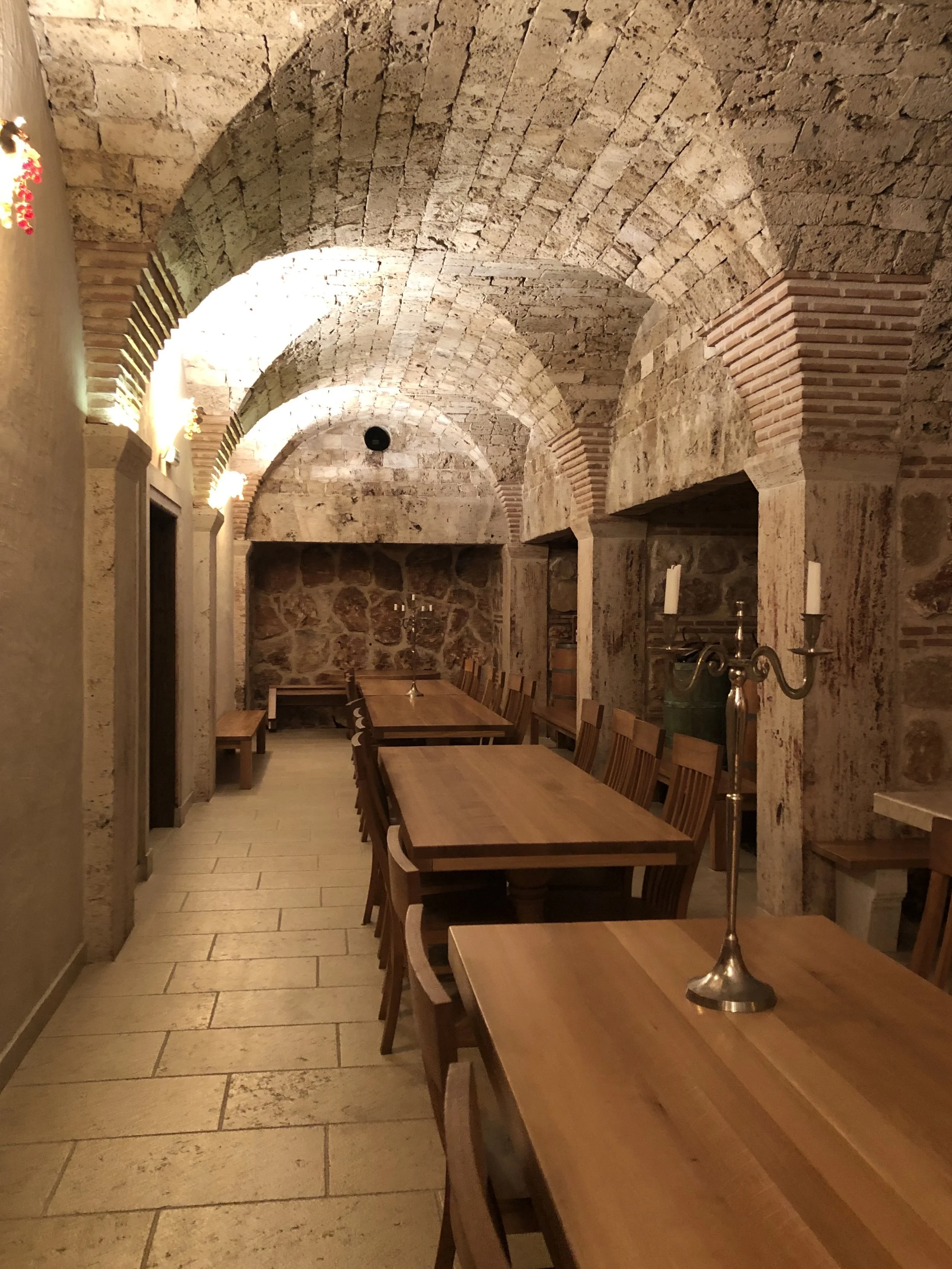
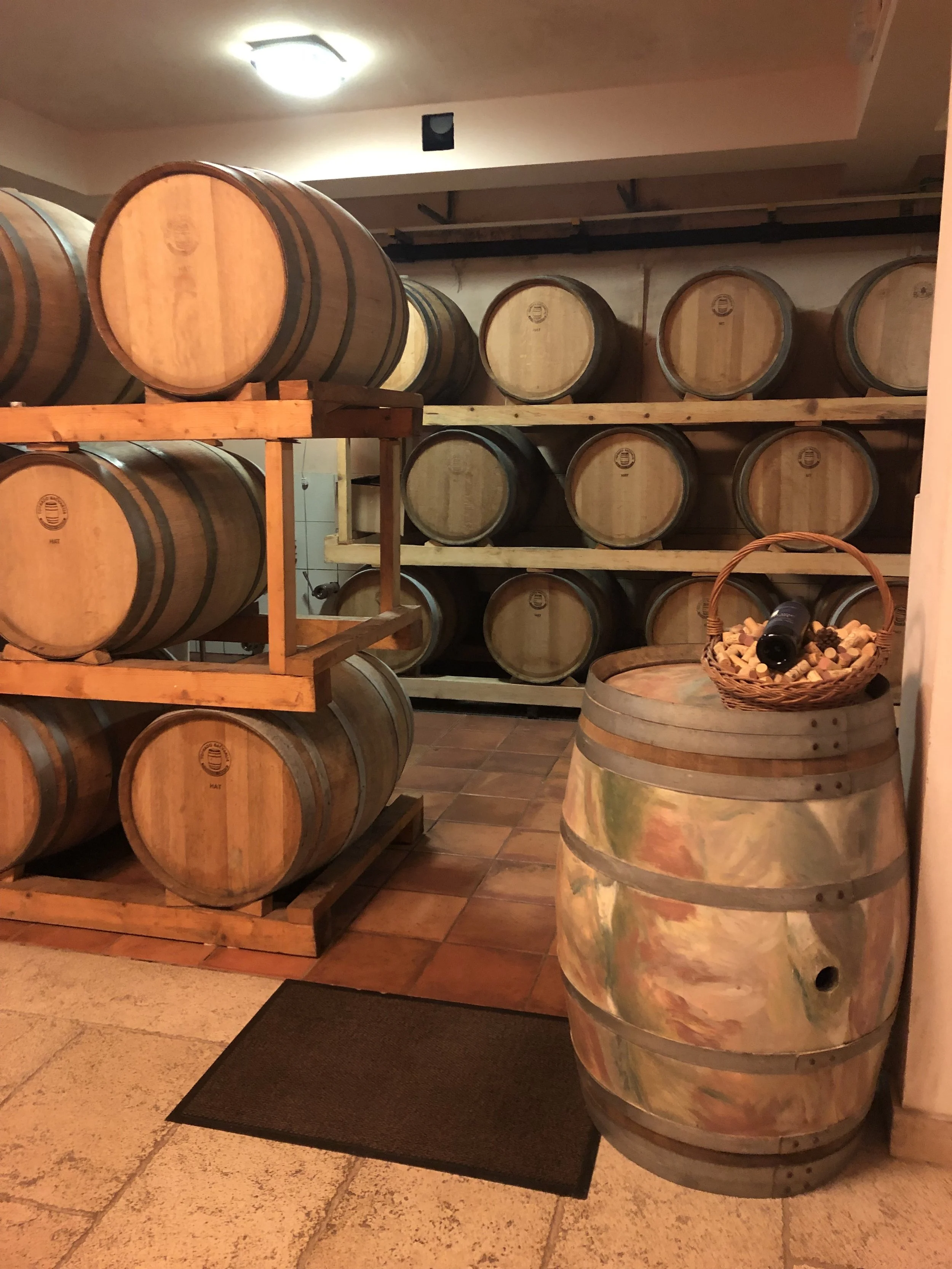
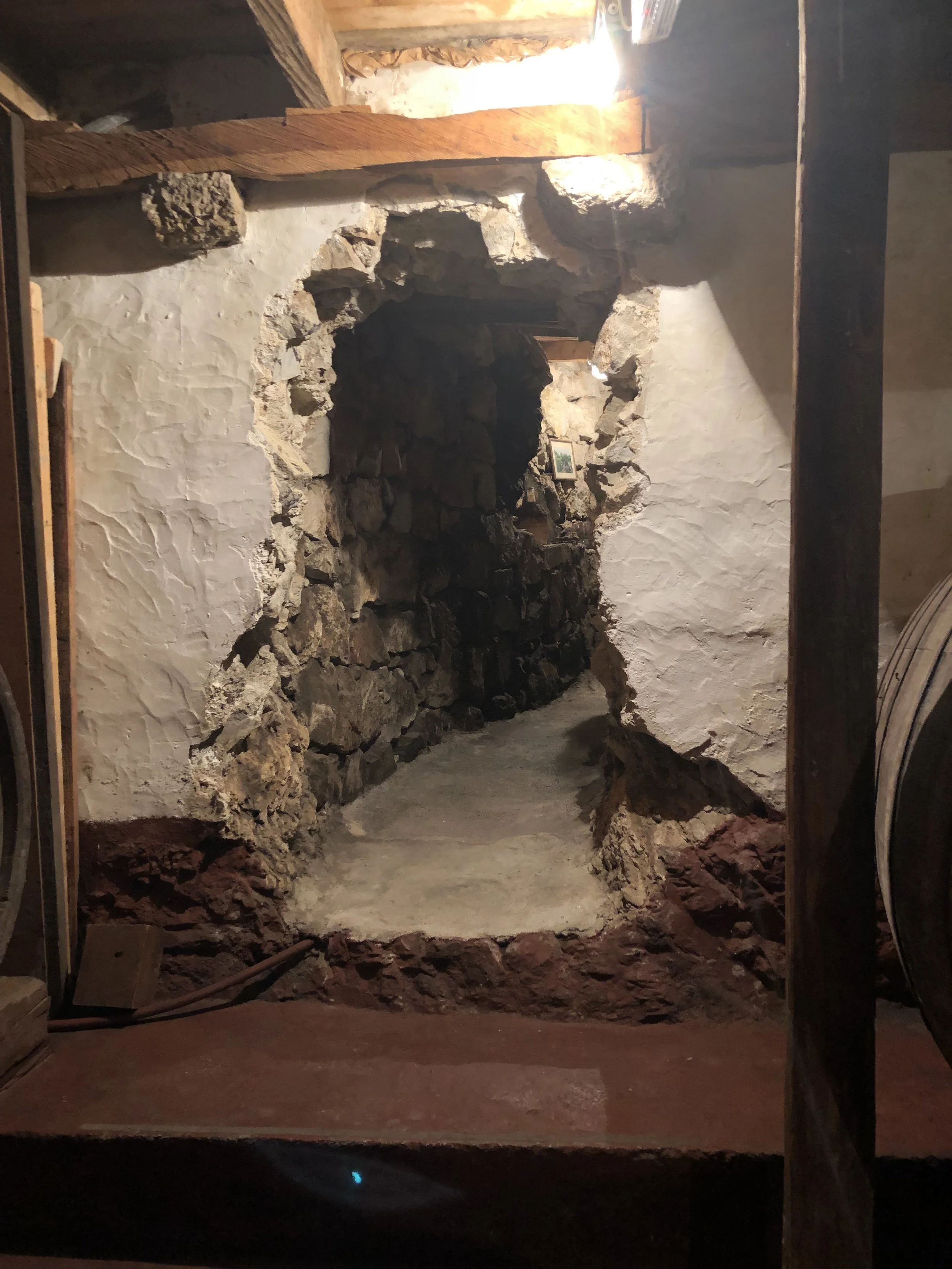
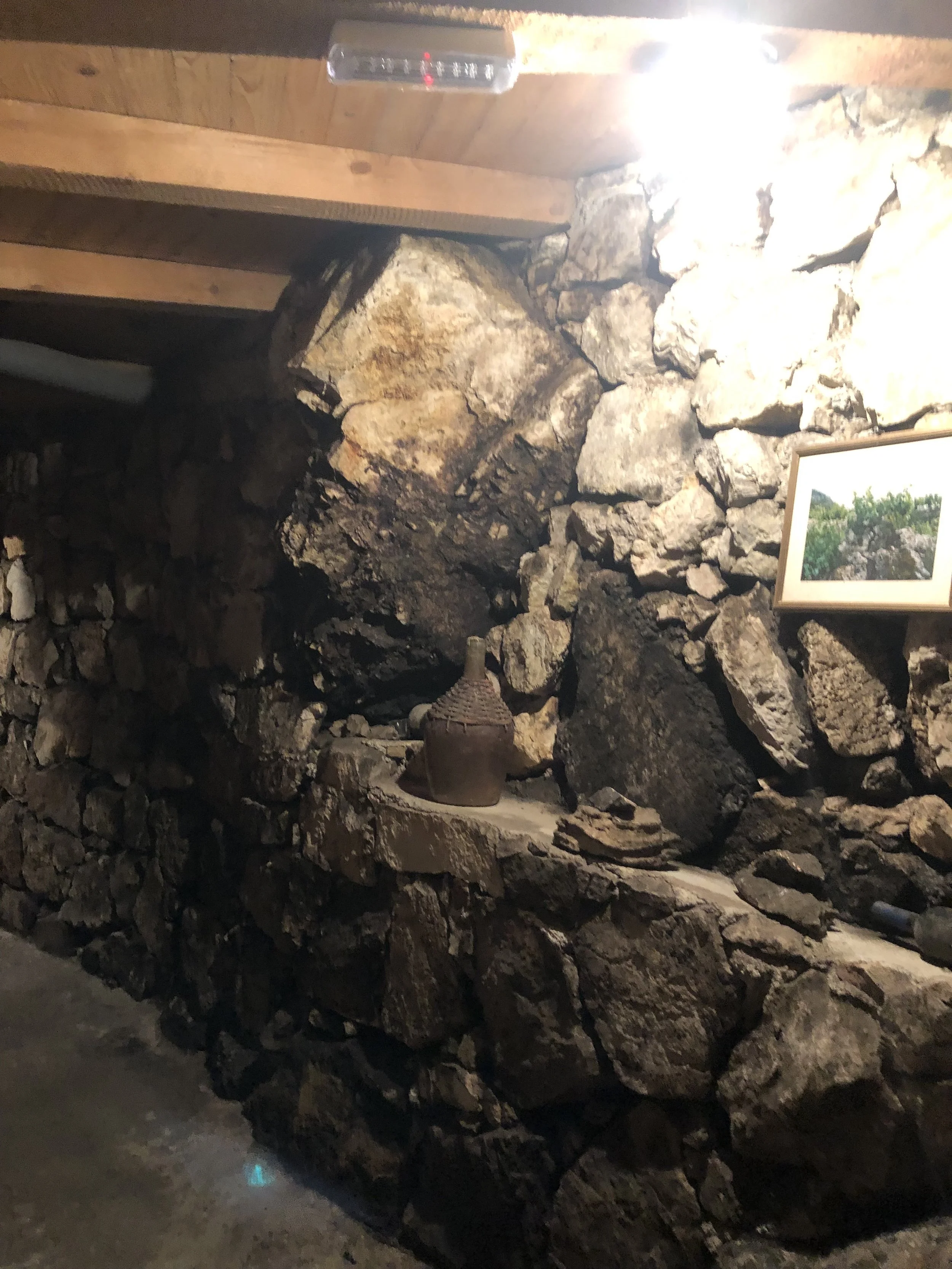
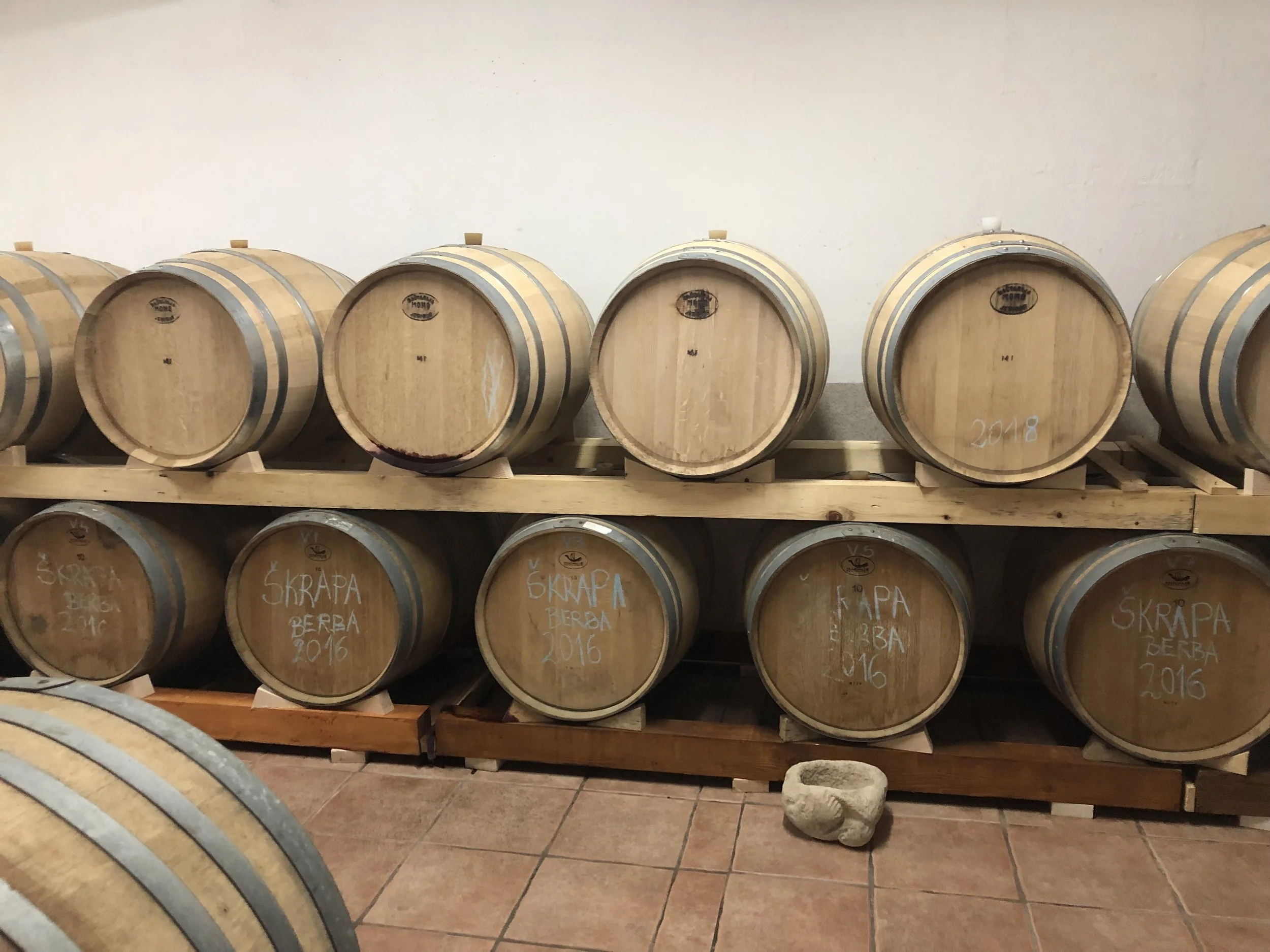
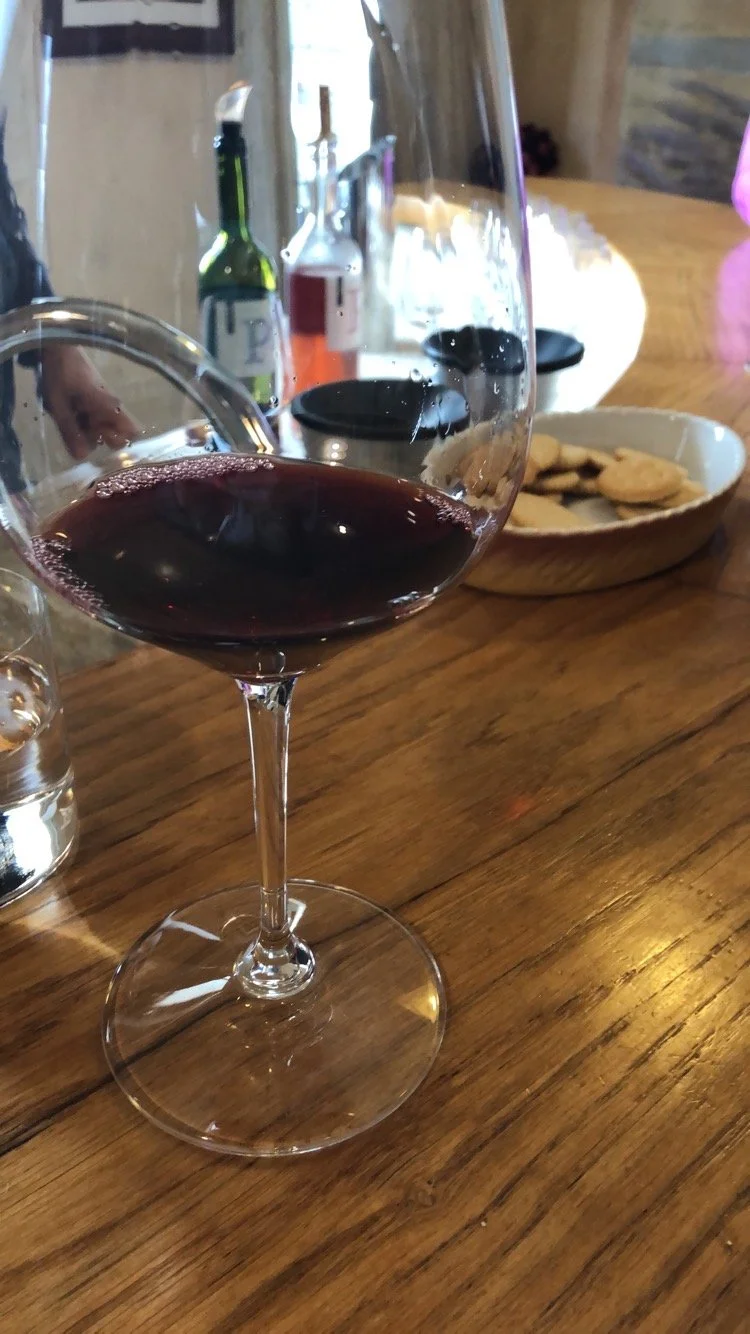
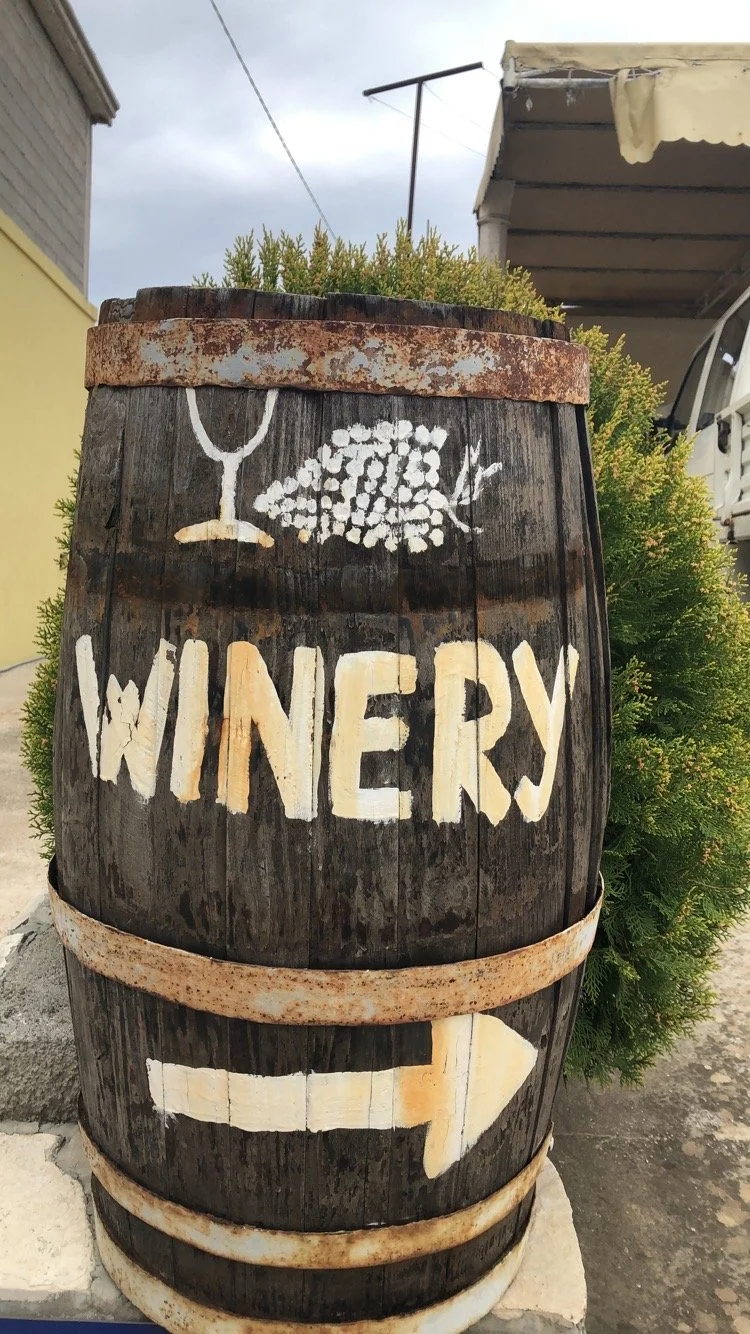
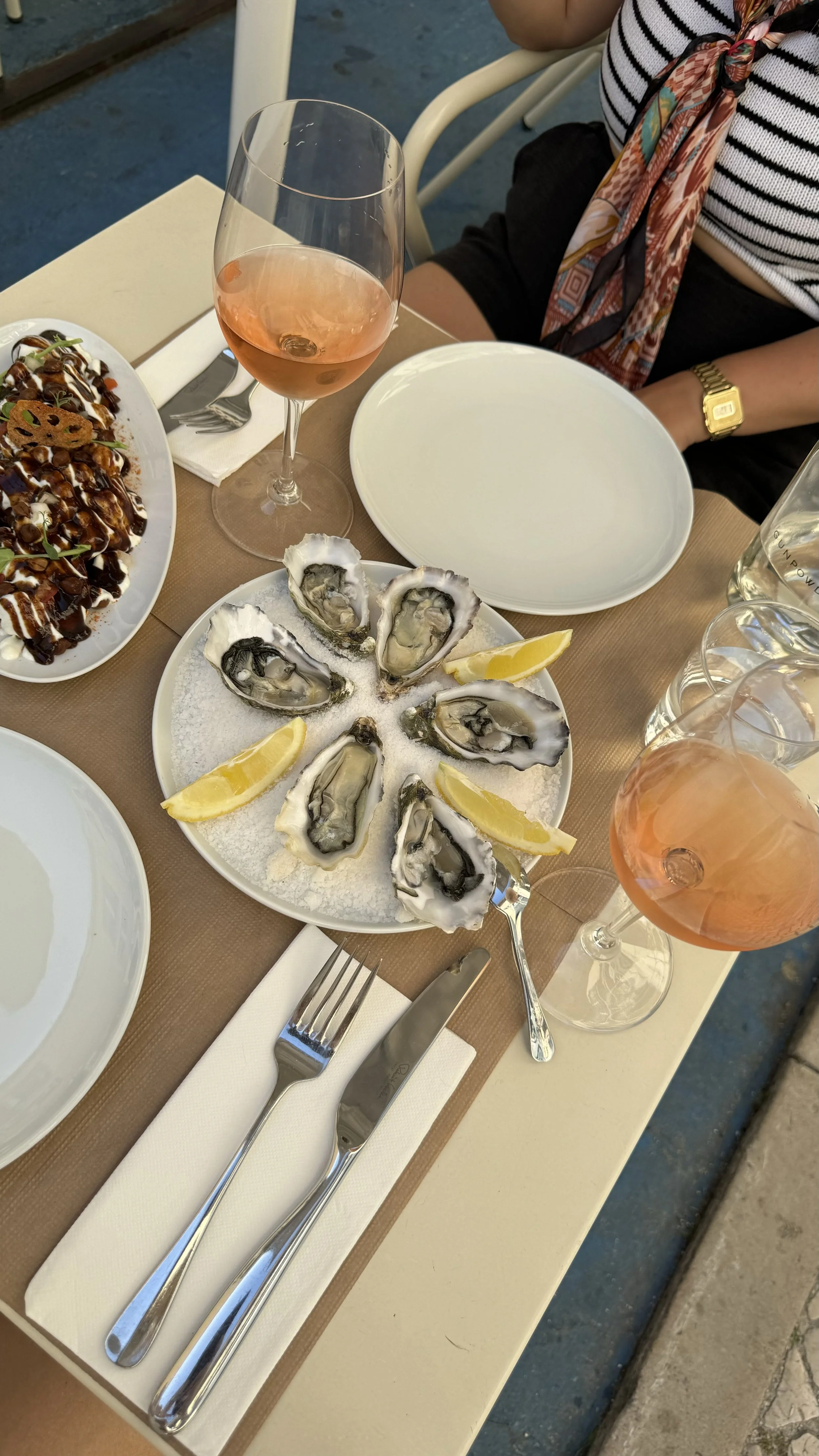
If you’re driving between Dubrovnik and Split (or making a stop in Ston for the oysters, which you should), Milos is a must. The winery is known for its Pošip whites and Plavac Mali reds, and the setting — with views over the Pelješac Peninsula — is stunning. Ston itself is famous for its oysters, farmed right in the bay, so the obvious move is oysters and white wine. This was one of the best food-and-drink moments of the whole trip.
Split: Brokeria
Brokeria is a restaurant in Split with a wine list that punches well above its weight. It’s a great spot for a long dinner after a day exploring Diocletian’s Palace. The selection skews Dalmatian, and the staff is helpful if you want recommendations. Good food too — the kind of meal where you order another bottle because everything is going so well together.
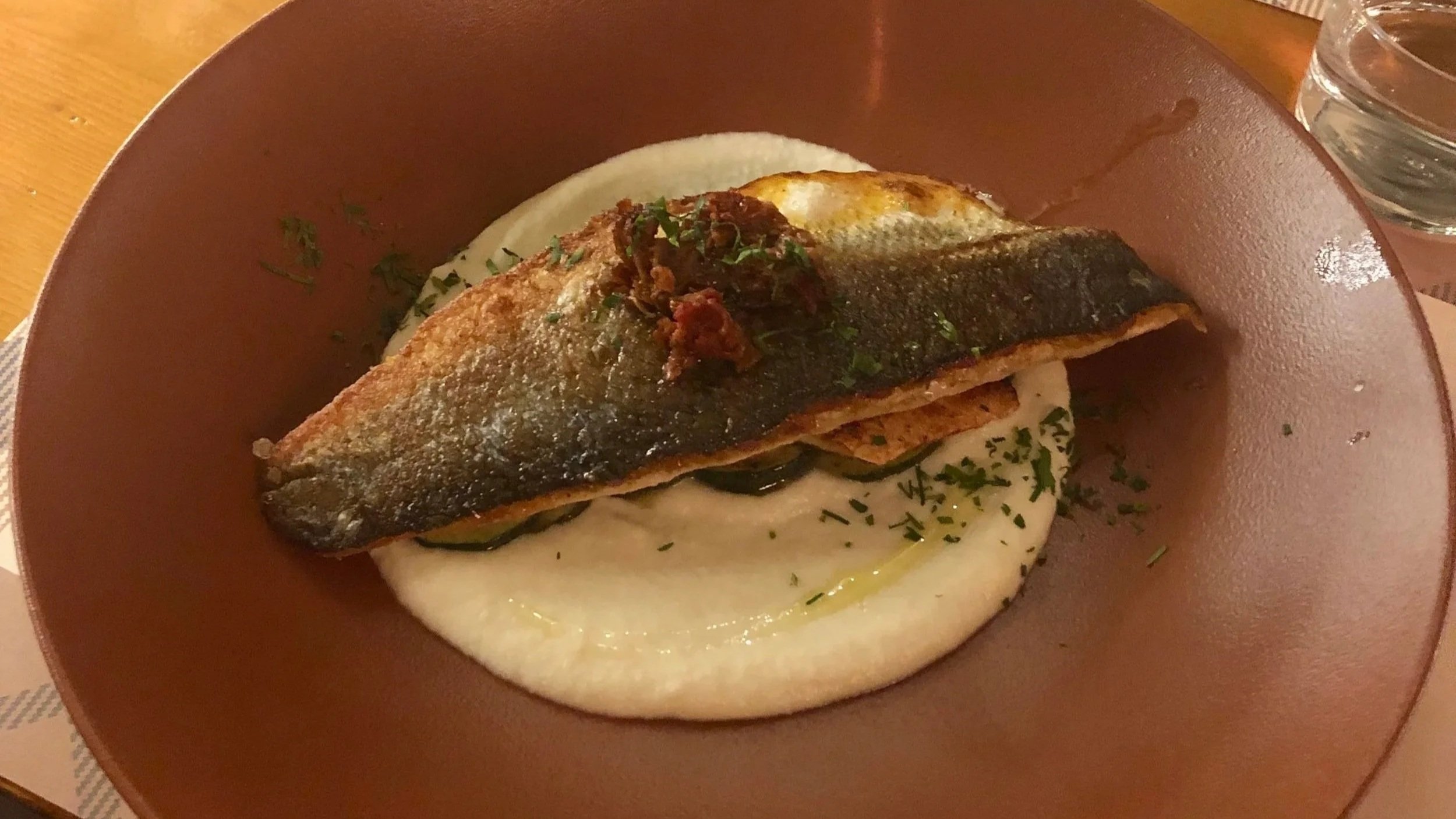
Salmon over puree potatoes paired with white wine.
Split: Boban Restaurant
Boban is a Split institution with a second location in Zagreb — a classic Croatian restaurant with a serious wine list and a slight ode to Italian cuisine. It’s the kind of place where you settle in for a proper meal and a bottle rather than a quick glass. The wine selection leans heavily Croatian, which is exactly what you want when you’re just starting a trip and trying to figure out what you like.
Zadar: Trattoria Canziba
We ended the trip in Zadar and had dinner at Trattoria Canziba, which turned out to be a great final meal. It’s an Italian-leaning spot but the wine list features solid Croatian selections, and the atmosphere is warm and relaxed. A nice, low-key way to finish a week on the road.
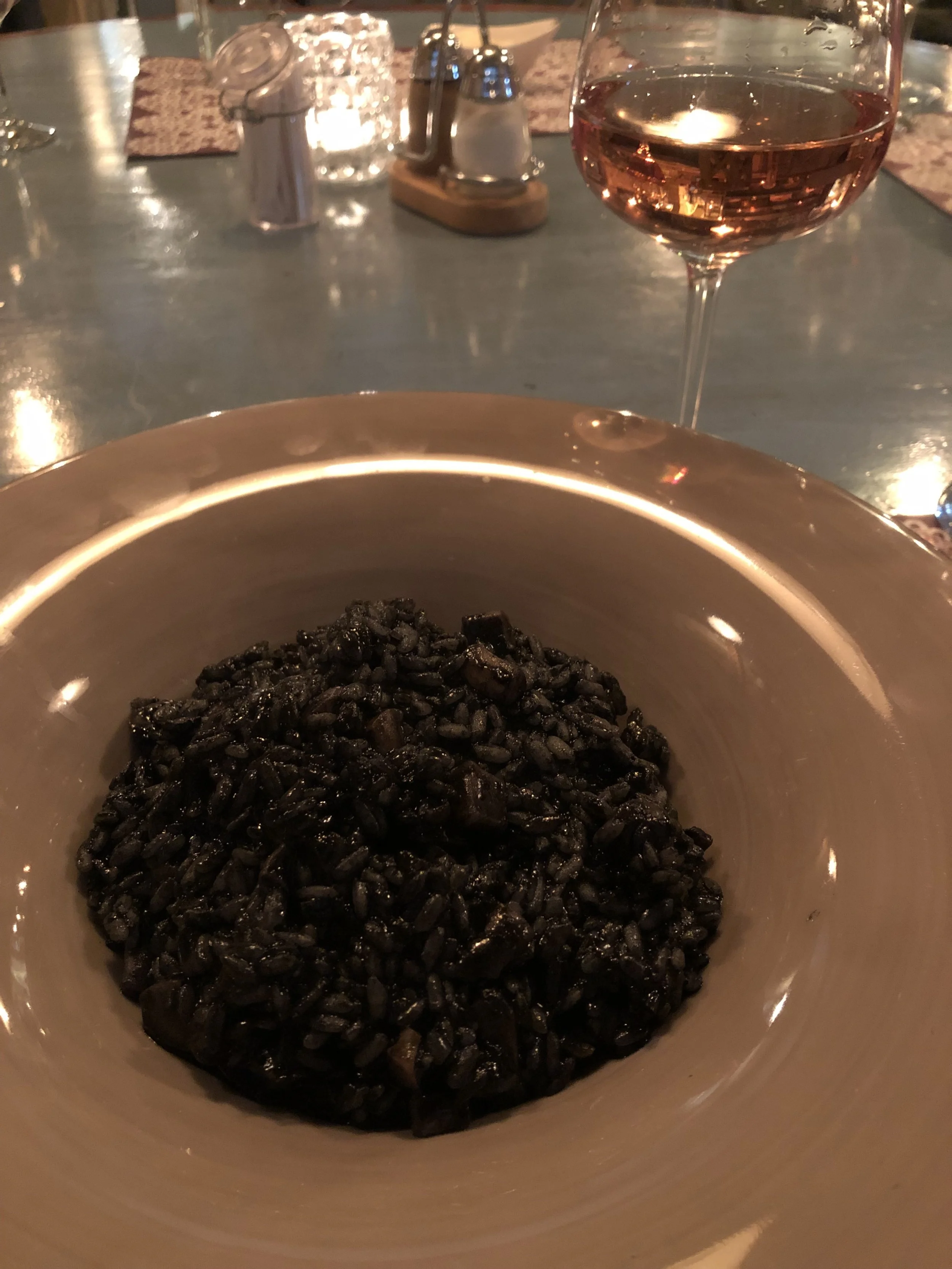
Squid Ink Risotto from Trattoria Canziba paired with rosé.
Other Notable Wineries Worth Knowing About
We didn’t get to all of these, but they came highly recommended and are worth building into your itinerary if wine is a priority. At the end of this article, you’ll find some of the best wine tours if you’d rather go along for a ride!
Grgić Vina — Pelješac Peninsula
This is probably Croatia’s most famous winery with an incredible backstory. It was founded in 1996 by Mike Grgich — the Croatian-American winemaker who famously won the 1976 Judgement of Paris blind tasting in California that put Napa on the map. He came back to Croatia to champion indigenous varieties, and Grgić Vina produces outstanding Pošip and Plavac Mali from the Pelješac Peninsula. Reservations are recommended.
Korta Katarina — Orebić, Pelješac
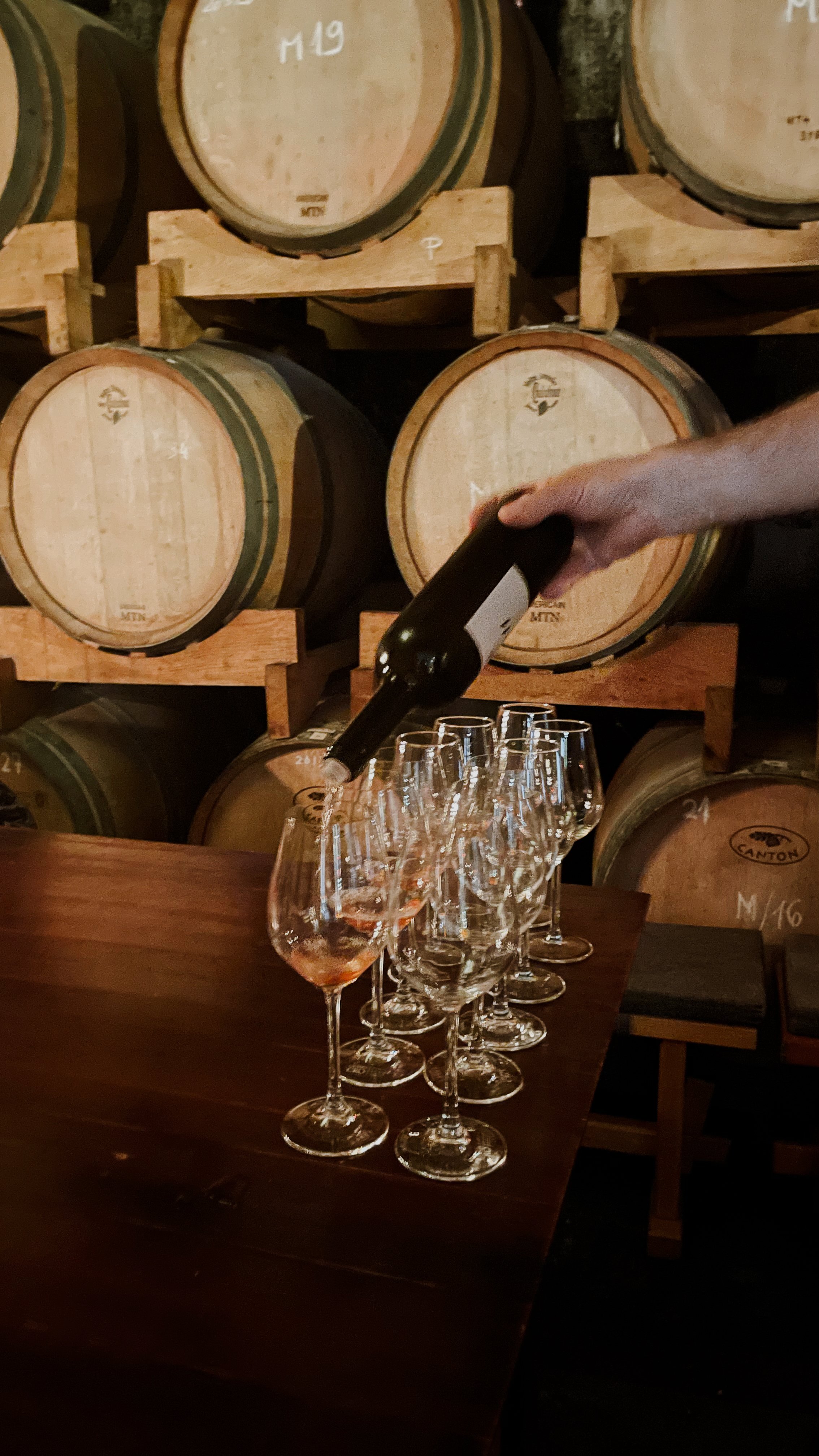
A gorgeous winery right on the coast in Orebić, founded by American philanthropists who fell in love with Croatian wine and culture. They offer several tasting experiences, from a simple wine and tour to a full five-course wine-and-food pairing. Reservations required, and it’s worth it.
Matusko Winery — Potomje, Pelješac
Based in the village of Potomje in the heart of Dingač appellation territory, Matusko is one of the most celebrated names in Croatian red wine. Their Dingač is the real deal — powerful, structured, and age-worthy. A must-visit if you’re serious about Plavac Mali.
Saints Hills — Komarna
A newer winery in the Komarna appellation (just north of Dubrovnik along the coast), Saints Hills has quickly built a reputation for high-quality Plavac Mali with a slightly lighter style than Pelješac. The winery has an on-site restaurant and a terrace with views over the vineyards. A great stop on the drive between Dubrovnik and Split.
Practical Tips for Wine Lovers
Call ahead in the off-season. Many wineries on Hvar and Pelješac have reduced hours or are closed entirely from November through March. Most will open by appointment if you reach out a day or two in advance.
Rent a car. The best wine country — Hvar’s interior, the Pelješac Peninsula, the Komarna coast — is not easily accessible without one. Having a car also means you can put a few bottles in the trunk without worrying about luggage weight.
Buy bottles to bring home. Croatian wine is rarely available outside of Croatia. If you find something you love, buy two. Bornstein in Zagreb is a great place to stock up before you fly home.
Pair it with oysters in Ston. Mali Ston Bay produces some of the best oysters in Europe. The combination of freshly shucked oysters and a chilled glass of Pošip is one of the best food-and-drink experiences Croatia has to offer.
Don’t sleep on Zagreb. Most people head straight to the coast, but Zagreb has a genuinely good wine bar scene and is a great place to get a crash course in Croatian varieties before you hit the wineries.
Learn the appellations. Dingač and Postup on the Pelješac Peninsula are Croatia’s most prestigious red wine appellations. If you see either on a label, it’s worth ordering.
