Dubrovnik Beyond Game of Thrones: What Makes This City Worth the Trip on Its Own
Every person who told me to visit Dubrovnik mentioned Game of Thrones. What nobody mentioned was the 700-year-old republic, the walls that survived an earthquake and a war, or the view from Mount Srd at sunset that made me completely forget I was standing in King's Landing.
Let's Address the Dragon in the Room
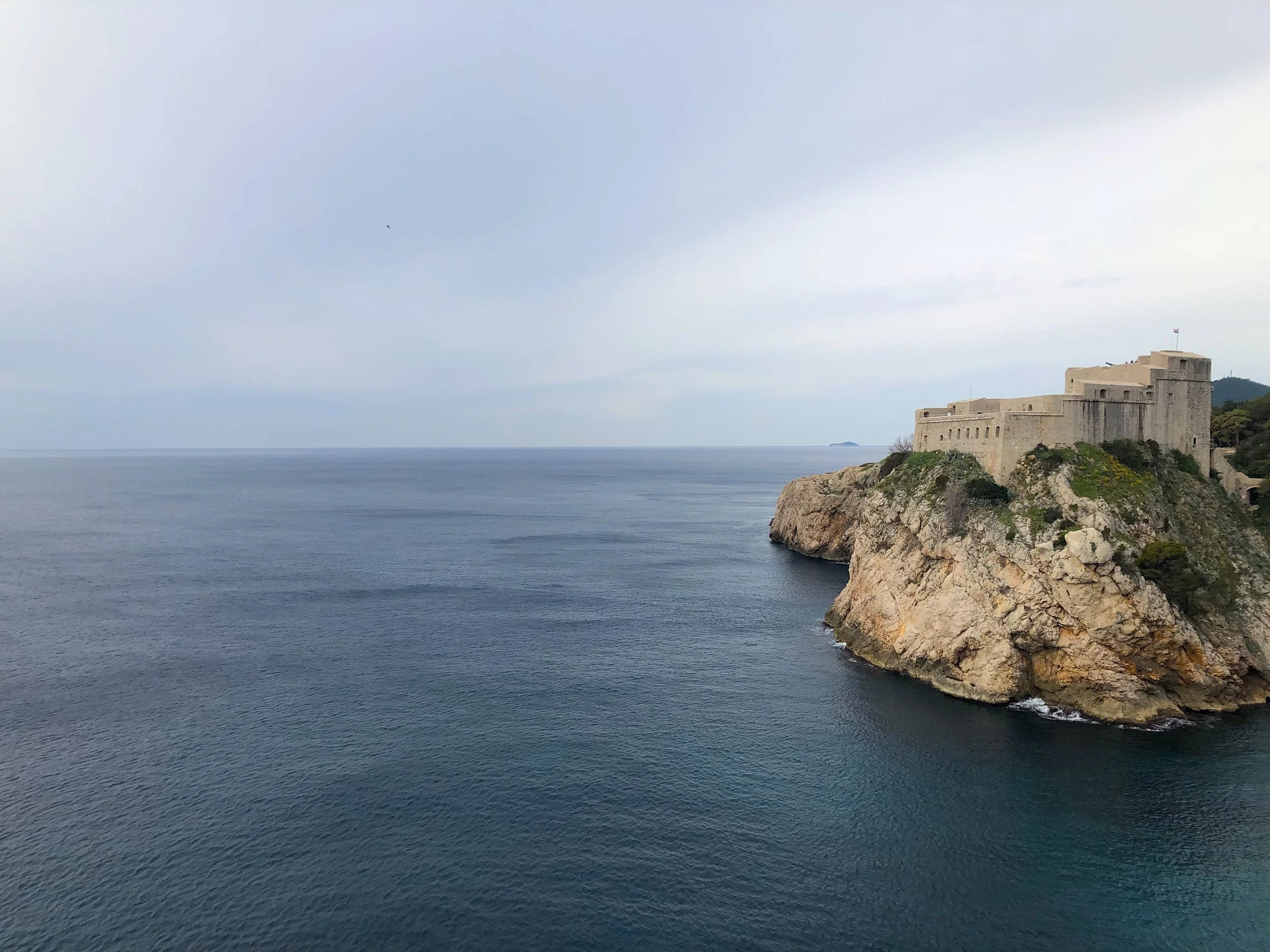
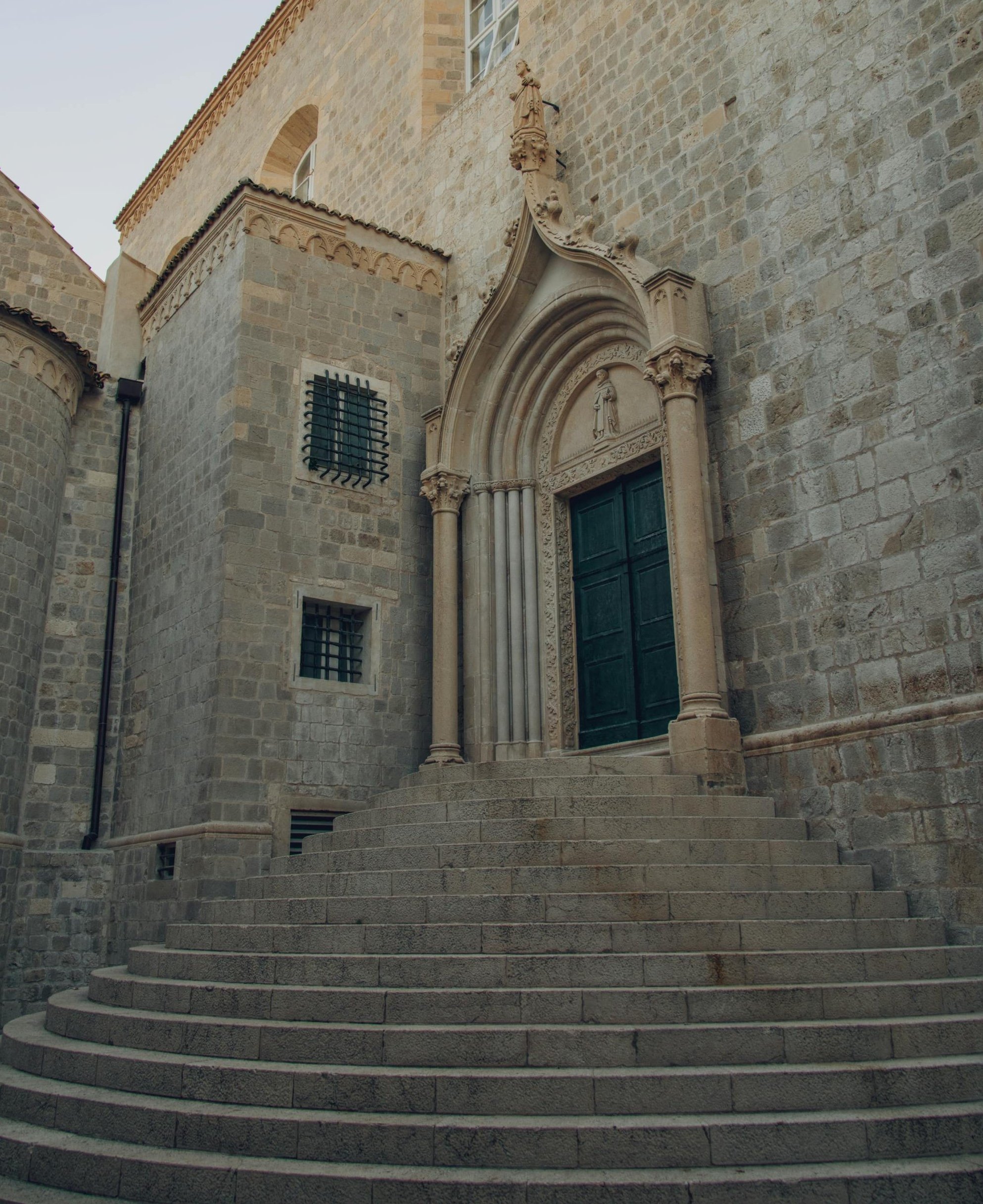
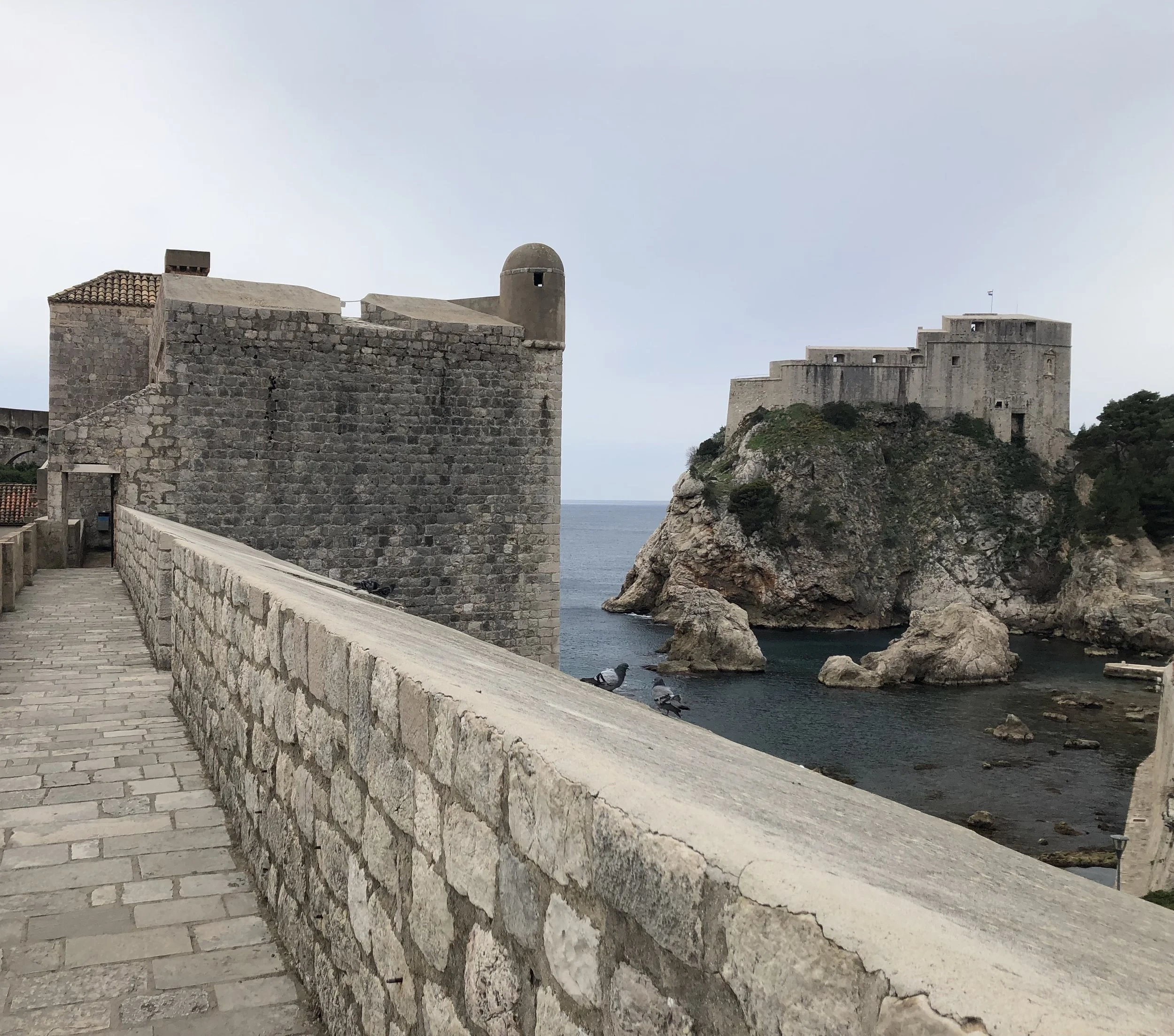
Yes, Dubrovnik is King’s Landing. Yes, you will walk past a GoT tour group approximately every three minutes. And yes, some of it is genuinely cool - you can’t walk the City Walls and not notice Fort Lovrijenac looming off the western side like something out of a fantasy novel, because it literally was. The Jesuit Staircase near Gundu lić Square is where Cersei’s Walk of Shame was filmed, and once you know that, you see it differently. Fort Bokar, Pile Gate, the Stradun — they all have GoT moments attached to them, and recognizing those places as you walk by is a fun little bonus. But here’s the thing: none of that is the reason Dubrovnik is worth visiting. The city would be jaw-dropping even if Game of Thrones had never existed. It was a UNESCO World Heritage Site long before HBO showed up. The show just pointed more people in the right direction.
The Quick GoT Cheat Sheet
If you’re even a casual fan, here’s what to look for as you walk around — no dedicated tour required:
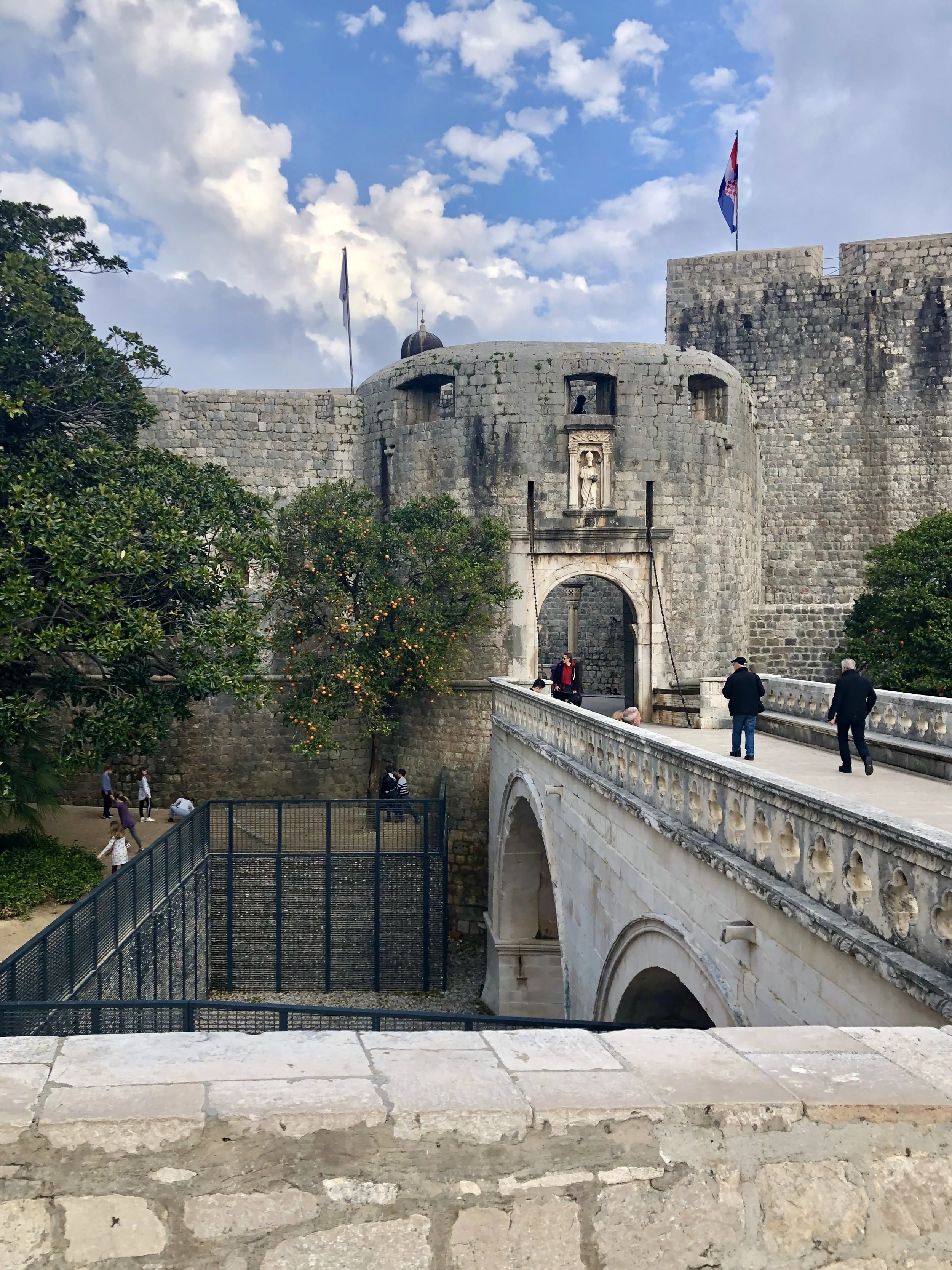
Pile Gate (main entrance to the Old Town): King Joffrey’s riot scenes, Jaime Lannister’s return to King’s Landing.
Fort Lovrijenac (just outside the western wall): The Red Keep. Most of the castle power scenes were filmed here. Cersei vs. Littlefinger, Joffrey’s name day tournament. Definitely worth walking over to.
The Jesuit Staircase (near Gundu lić Square): Cersei’s Walk of Shame. You’ll recognize it immediately.
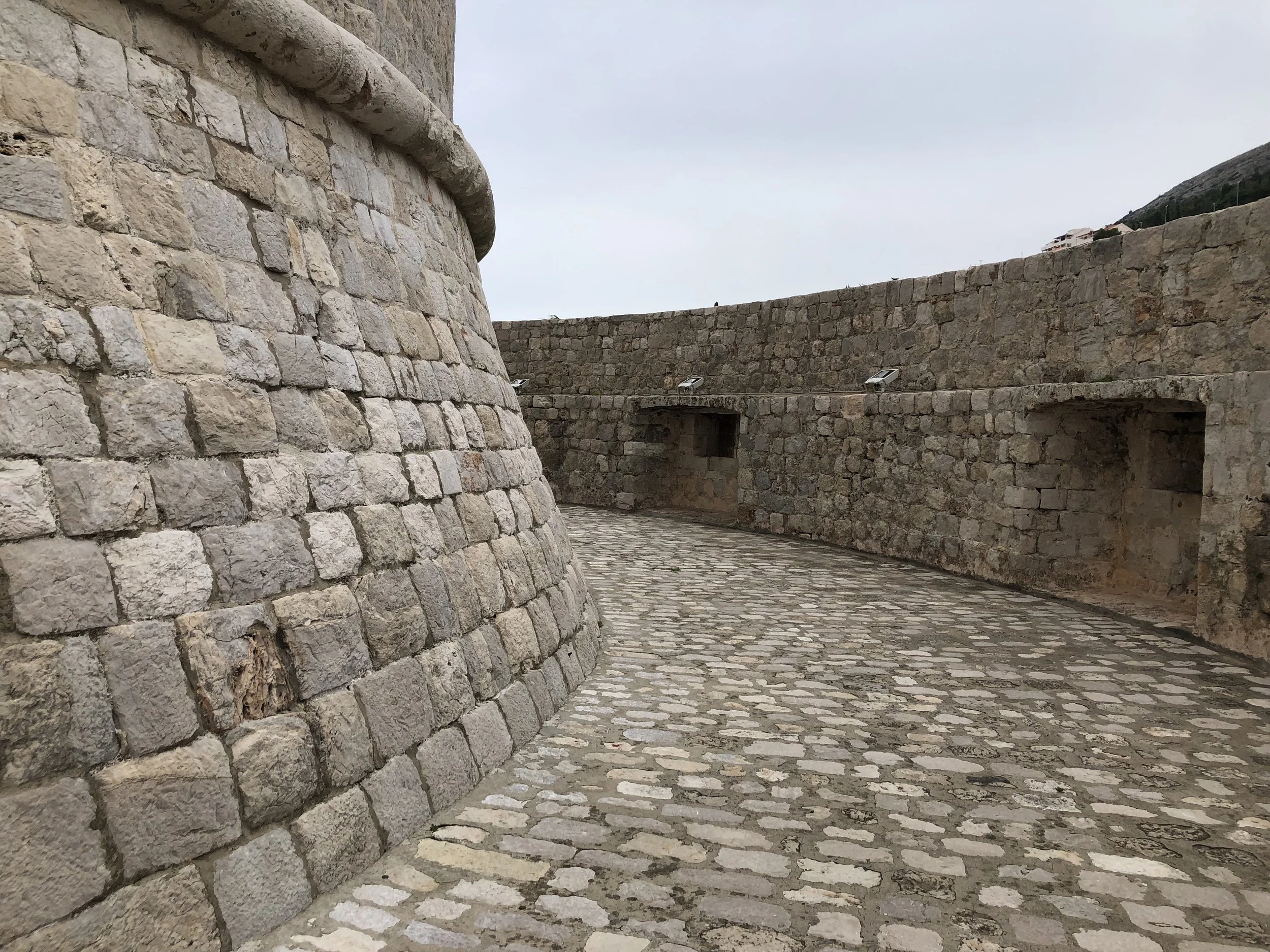
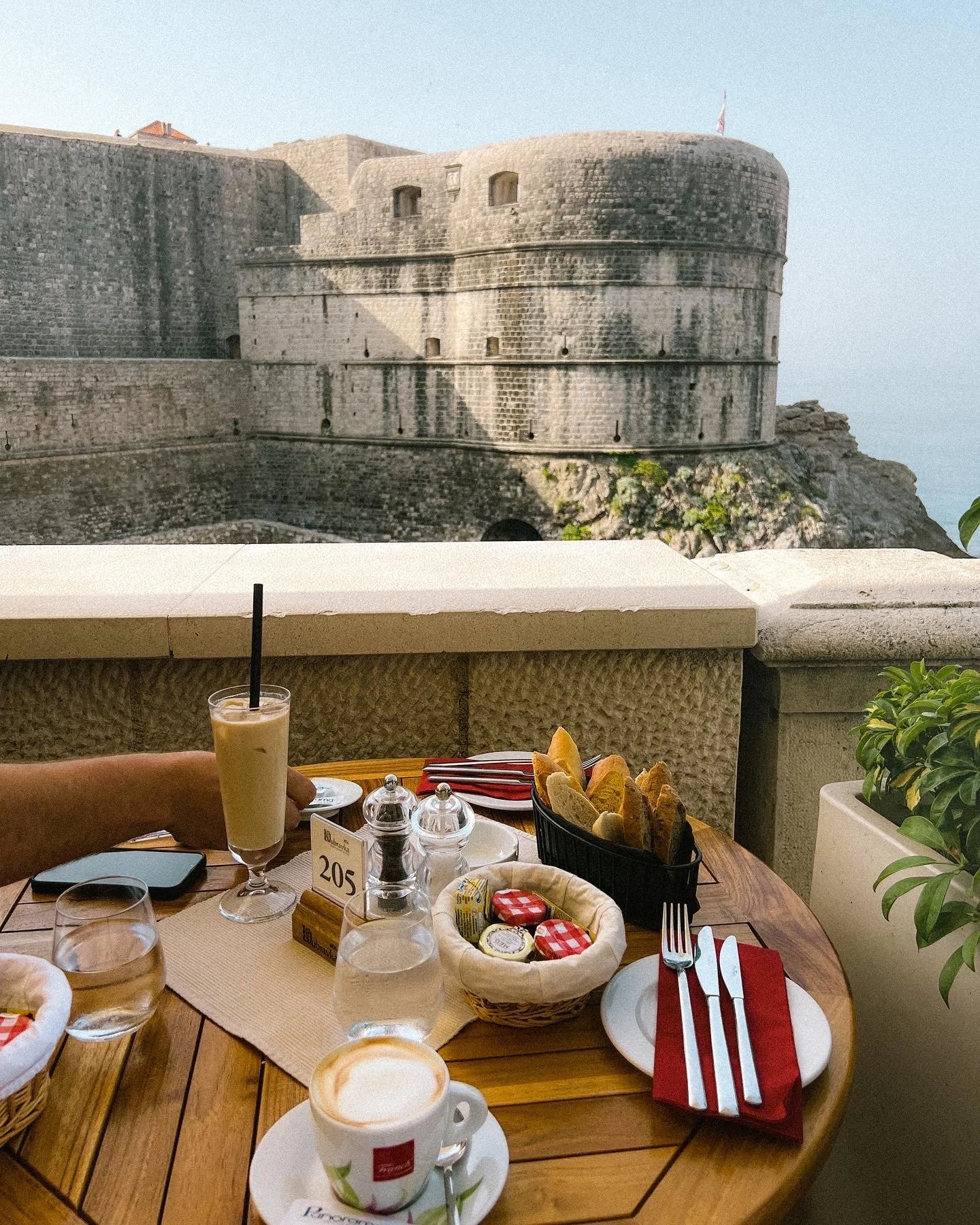
The City Walls: Used throughout the series as King’s Landing’s fortifications. The Bokar Fortress section is where Tyrion and Varys famously strategized the defense of the city.
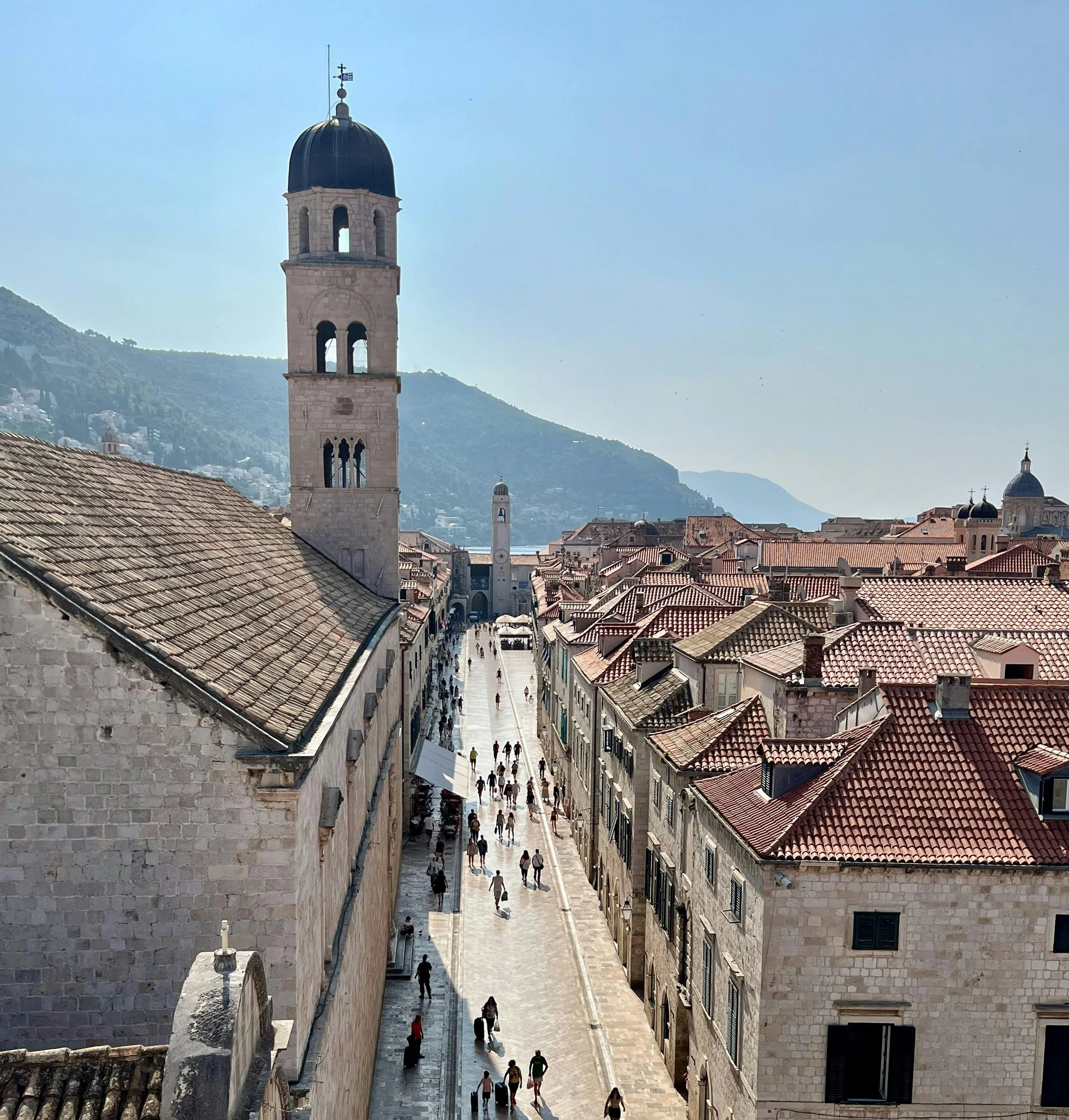
The Stradun: Background street scenes throughout the series.
Lokrum Island (short boat ride from Old Town): Stands in for Qarth, and the original Iron Throne gifted by HBO to Dubrovnik lives here in the visitor center.
Trsteno Arboretum (20 min drive north): The King’s Landing palace gardens. Worth a day trip if you’re a real fan.
At the end of this article, you’ll find top tour options for visiting these sites!
Now - on to the actual city
The Walled Old Town
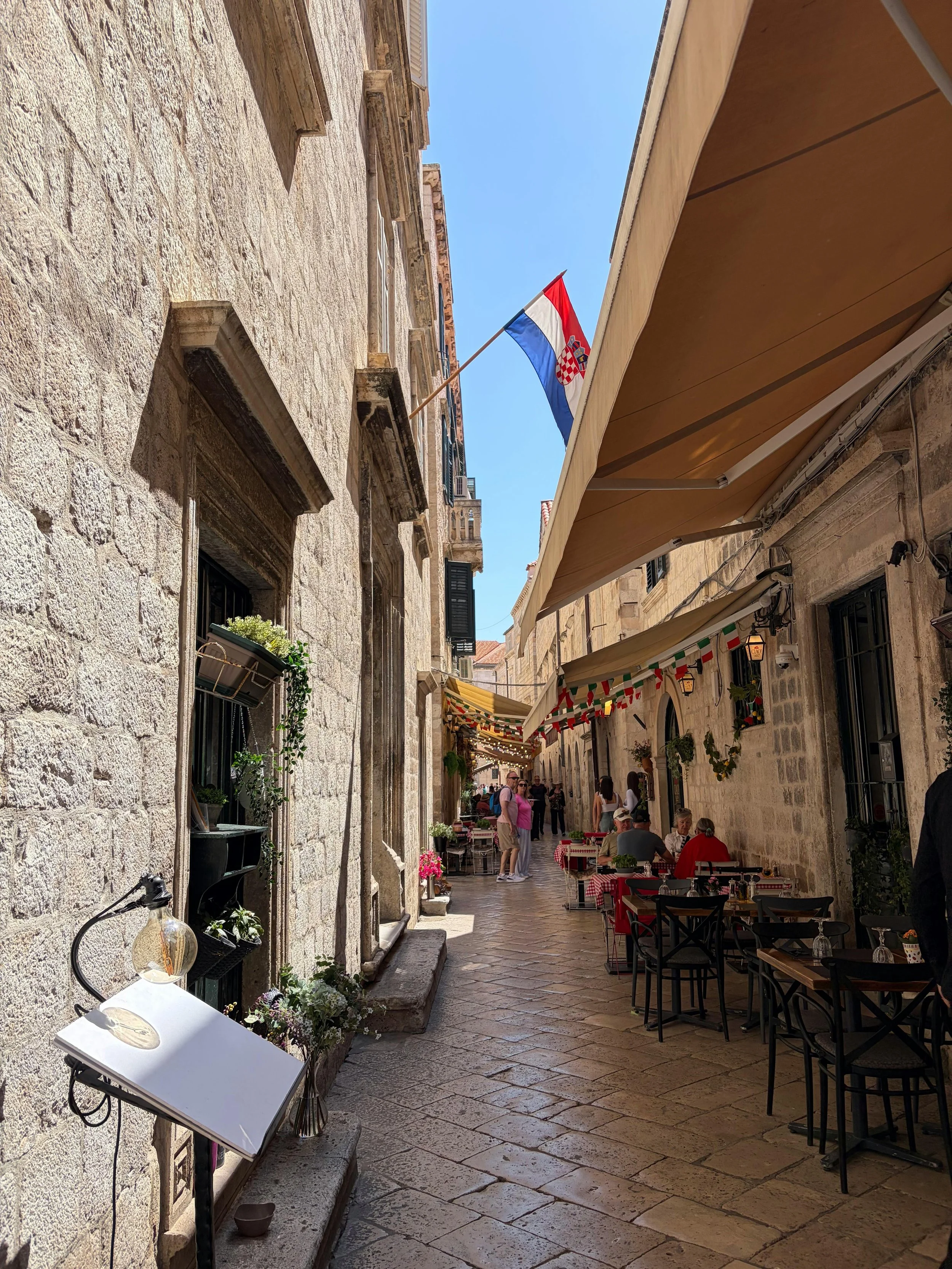
Dubrovnik’s Old Town is one of the best-preserved medieval walled cities in Europe, and walking into it for the first time is one of those travel moments you remember. The entire thing is enclosed by stone walls built between the 12th and 17th centuries, and inside, the Stradun — a wide, gleaming limestone pedestrian street — runs straight through the heart of it. Everything is made of the same pale stone, the streets are polished smooth from centuries of foot traffic, and there’s an atmosphere that feels both ancient and alive at the same time. In peak summer, the Old Town gets extremely crowded. Dubrovnik has had to actively manage overtourism, with cruise ships unloading thousands of people at a time. In March, that’s completely reversed. We walked through Pile Gate and just wandered around! No line to get in and no crowds blocking every photo. The city was ours in a way that genuinely doesn’t happen in July or August.
Walk the City Walls
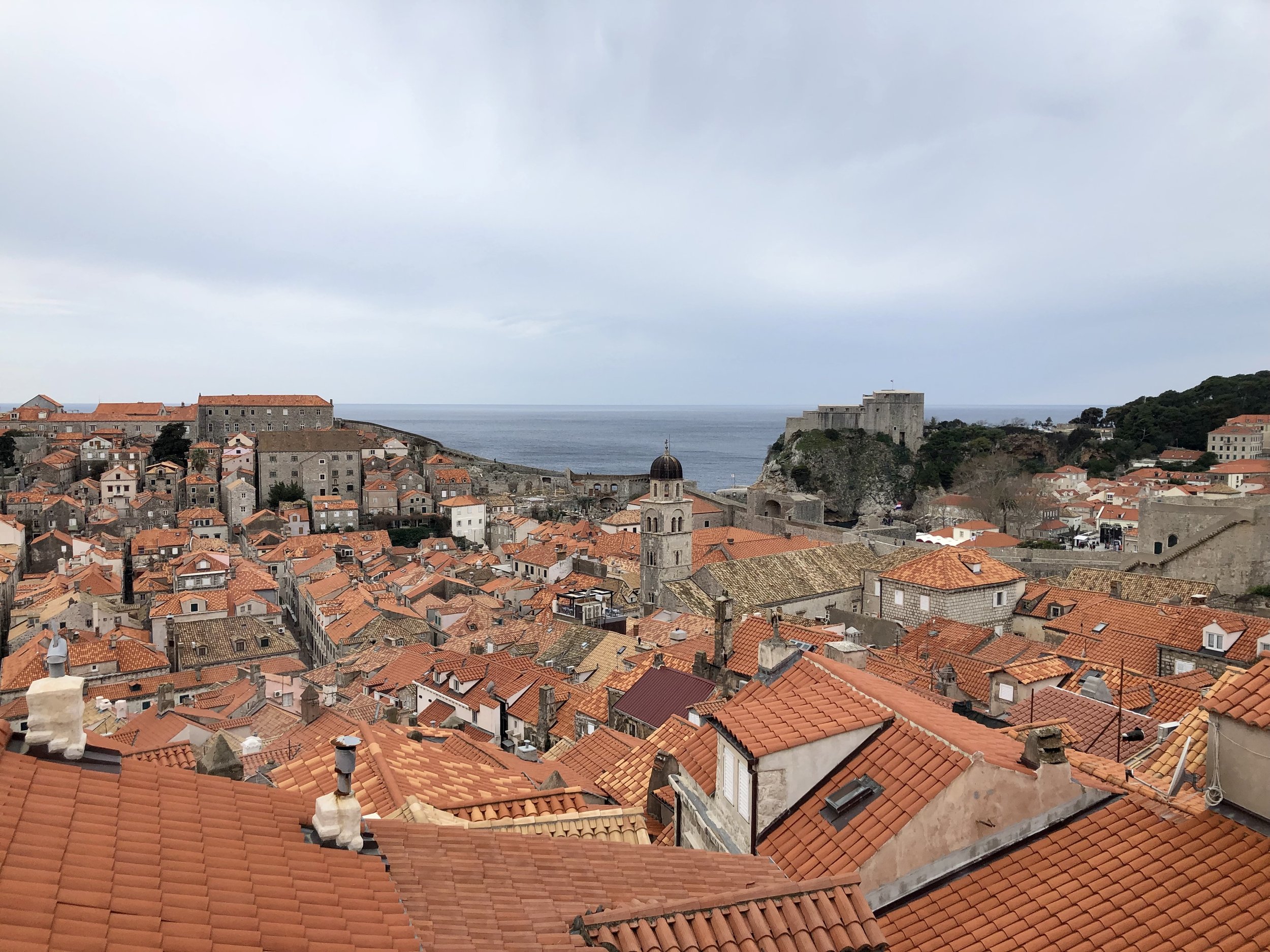
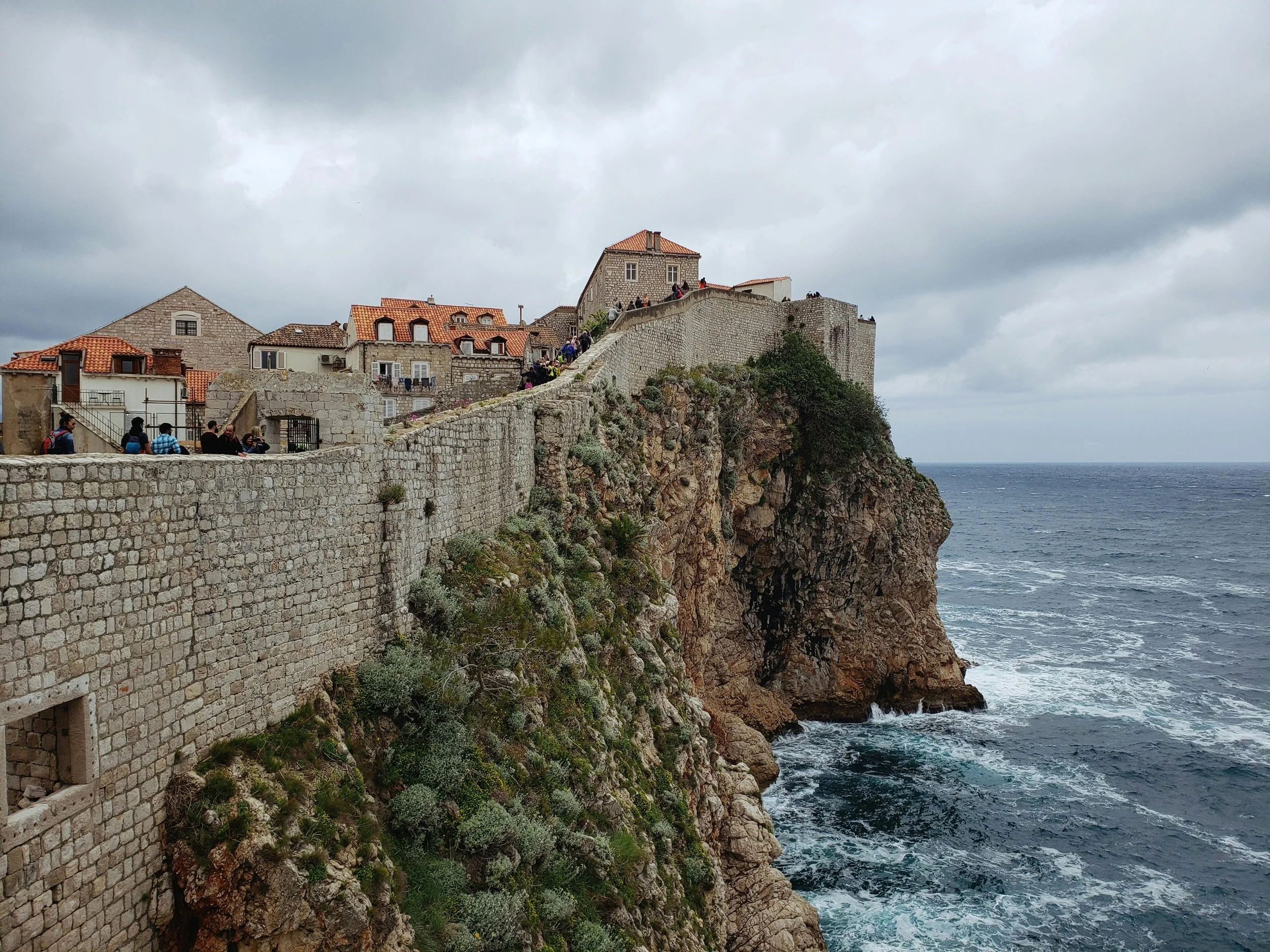
This is the one thing in Dubrovnik you absolutely cannot skip. The walk around the top of the walls is just over 1 mile, takes roughly 2 hours at a relaxed pace, and the views are some of the best we’ve seen anywhere — the Adriatic Sea on one side, the terracotta rooftops of the Old Town on the other. It’s the best way to understand the layout of the city, and it’s beautiful at any time of day. We did it in the morning when the light was good and the walls were quiet. Note: entry to the walls costs around €35–40 per person, and the ticket also covers some of the fortress access. Go early to avoid any midday heat (even in March it can get warm on the exposed stone) and to get clean photos without people in every shot.
Mount Srđ: The View You’ll Talk About for Years
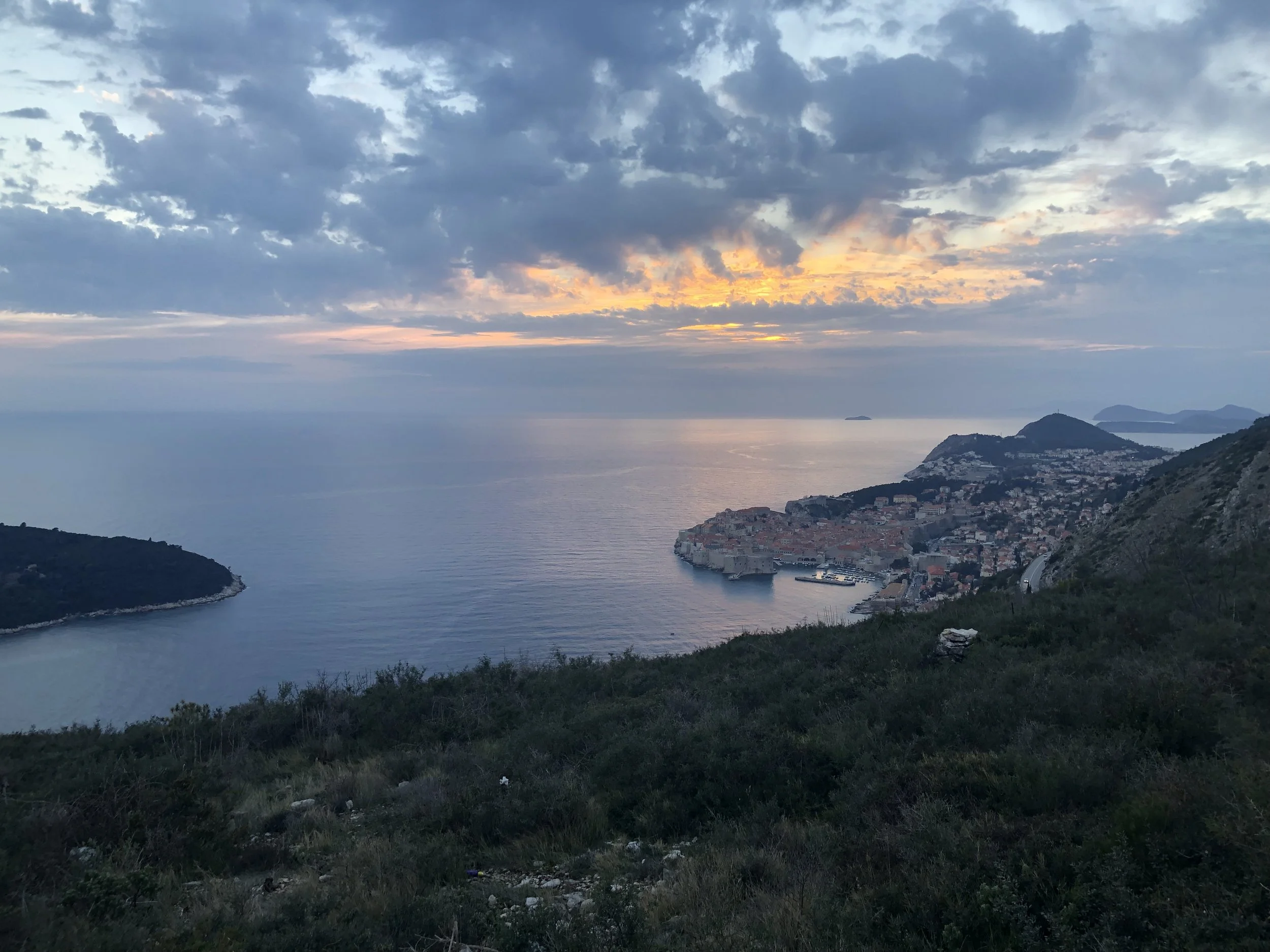
Above the city, the mountain of Srđ gives you a bird’s-eye view of everything — the walled city, the Old Harbor, the Adriatic stretching out to the horizon, and on a clear day, the islands in the distance. You can drive up or take the cable car from just outside Pile Gate. We drove, but the cable car is faster and probably the better call if you’re not in a rental. We went up at sunset and it was, without question, the most visually stunning moment of the entire trip. The whole city was lit up gold below us, the sea was dark blue, and there was barely anyone else up there. Do not leave Dubrovnik without doing this. It’s a core memory kind of moment.
The Old Harbor & Lokrum Island
The Old Harbor, just inside the Ploce Gate on the eastern side of the walls, is a beautiful spot to sit with a coffee and watch the boats. In summer, it’s the departure point for all kinds of island tours, but in the off-season it’s calm and photogenic and a great place to spend an hour. From here, you can take a short boat ride to Lokrum Island — a wooded nature reserve just offshore. In summer, it’s a popular beach escape. In spring, it’s peaceful and green, with peacocks wandering the grounds of an old Benedictine monastery and a small GoT exhibition with the original Iron Throne. It’s a genuinely lovely half-day detour and feels completely different from the stone-and-marble intensity of the Old Town.
Food & Drink in Dubrovnik
The food scene in Dubrovnik is solid, though it’s tourist-facing enough that you have to be a little selective. The closer you are to the Stradun, the more you’re paying for location. Wander off the main drag and into the side streets and alleys of the Old Town and you’ll find better value and more character. Seafood is the obvious call — fresh fish, octopus salad, grilled shellfish. Wash it down with a glass of local Plavac Mali red or Pošip white. D’Vino Wine Bar inside the Old Town is a good spot for a focused Dalmatian wine tasting if you want to work your way through a few Croatian varieties. For a splurge, there are several restaurants along the cliffs just outside the Old Town walls with incredible sea views — the kind of dinner you book for a special occasion.
The History (Which Is Just as Dramatic as Anything in GoT)
One thing that makes Dubrovnik genuinely fascinating — beyond the looks — is its history. The city was an independent republic, the Republic of Ragusa, for over 700 years. It was a major maritime trading power, it abolished the slave trade in 1416 (one of the first places in the world to do so), and it maintained its independence through a combination of diplomacy, strategic neutrality, and savvy politics while being surrounded by the Ottoman and Venetian empires. The 1667 earthquake devastated much of the city (you can see the architectural divide between older and newer buildings as a result), and then in 1991, during the Croatian War of Independence, the city was shelled for months. The walls held. Restoration took years. The fact that Dubrovnik looks the way it does today is actually a pretty remarkable story, and knowing a little of that context makes walking around the city feel a lot richer. The City Museum inside the Old Town is worth an hour if you want to go deeper.
Practical Tips for Visiting Dubrovnik
Go in the off-season if you can. March, April, October, or November are dramatically different from July and August in terms of crowds and pricing. In peak summer, there are caps on the number of people allowed inside the Old Town at once and lines just to get through Pile Gate.
Book accommodation early even in off-season. There’s limited good accommodation inside or immediately adjacent to the Old Town, and the better places fill up.
Parking is a real issue. If you’re driving (as we were), don’t plan to park near the Old Town. Use the Gruz area parking or your hotel’s lot and walk in or take a bus. The approach road to the Old Town is chaotic in season. Taxis are also an option.
The cable car up to Mount Srđ closes in bad weather. Have a backup plan or check conditions, especially in shoulder season.
Budget for the City Walls ticket. It’s around €35–40 per adult and is absolutely worth it, but factor it in.
Do not bring a large rolling suitcase into the Old Town. The streets are cobblestone and steep in places. A backpack or soft bag is much easier.
The walk from one side of the Old Town to the other takes about 10 minutes. Everything is close. That’s part of what makes it so good.
