Porto in 3 Days: Everything You Need to See, Eat & Drink
Porto, Portugal doesn’t ask much of you. Show up, wander, eat well, drink port wine, and let the city do the rest. It’s one of those places that rewards slow exploration — the more you meander through its hilly streets and riverside neighborhoods, the more you find. Here’s how to make the most of 3 days.
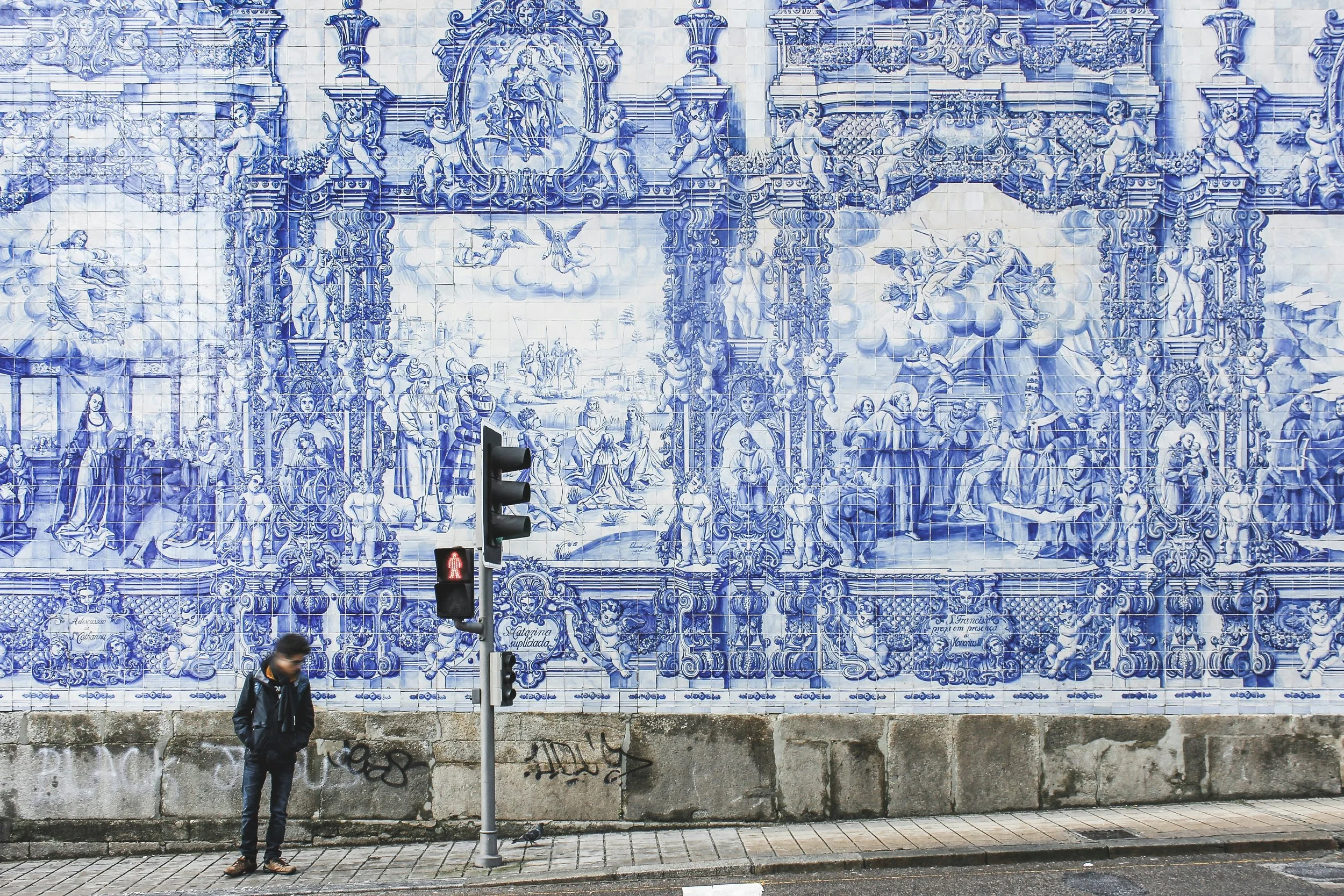
Where to Stay
We stayed at the Eurostars Porto Centro, which is centrally located and a solid base for exploring on foot. Other well-regarded options include the Yeatman, a wine hotel with incredible views over the Douro River in Vila Nova de Gaia, and the Infante Sagres for a more historic, boutique feel in the heart of the city.
Day 1: The Heart of the City
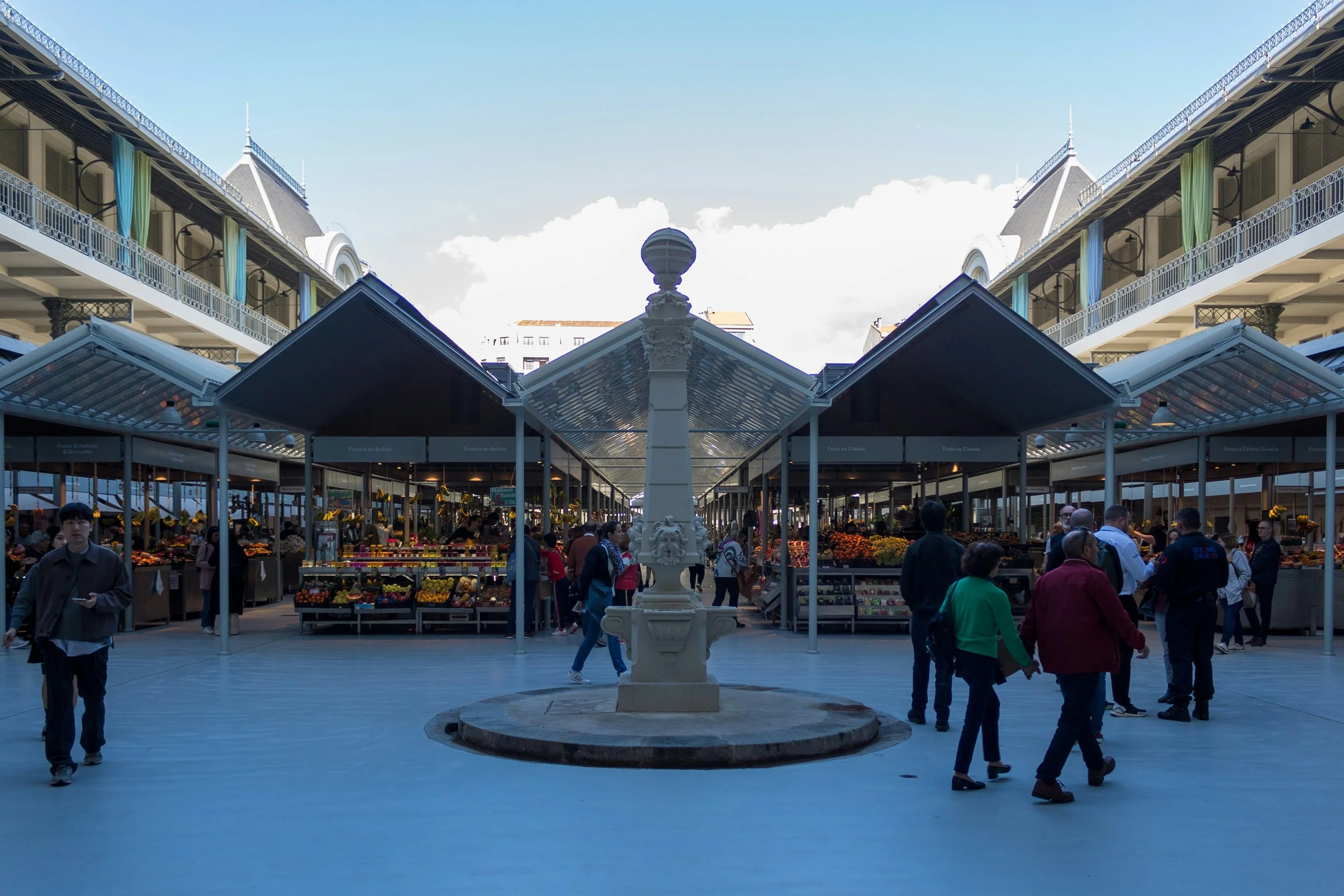
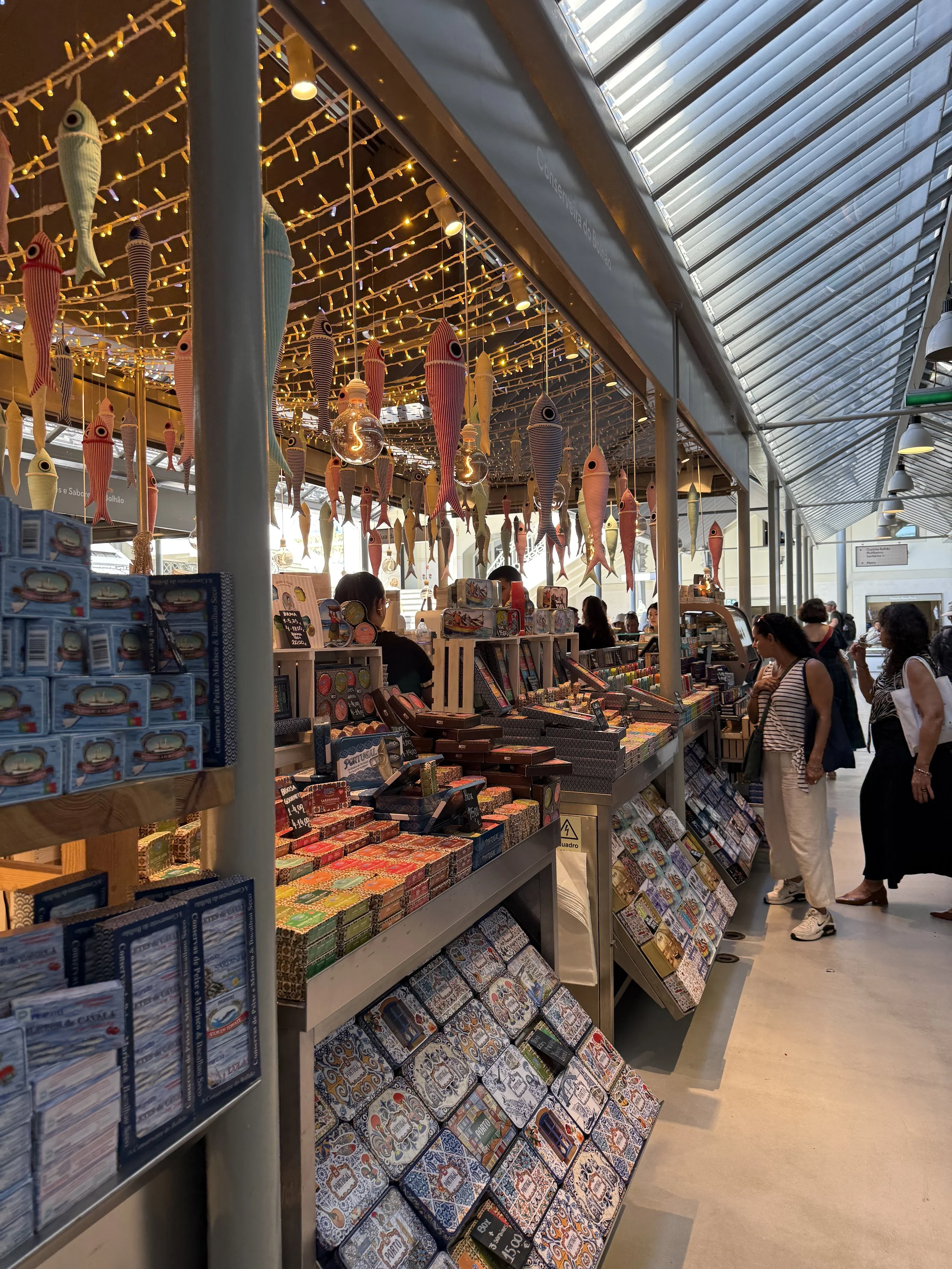
Mercado do Bolhão
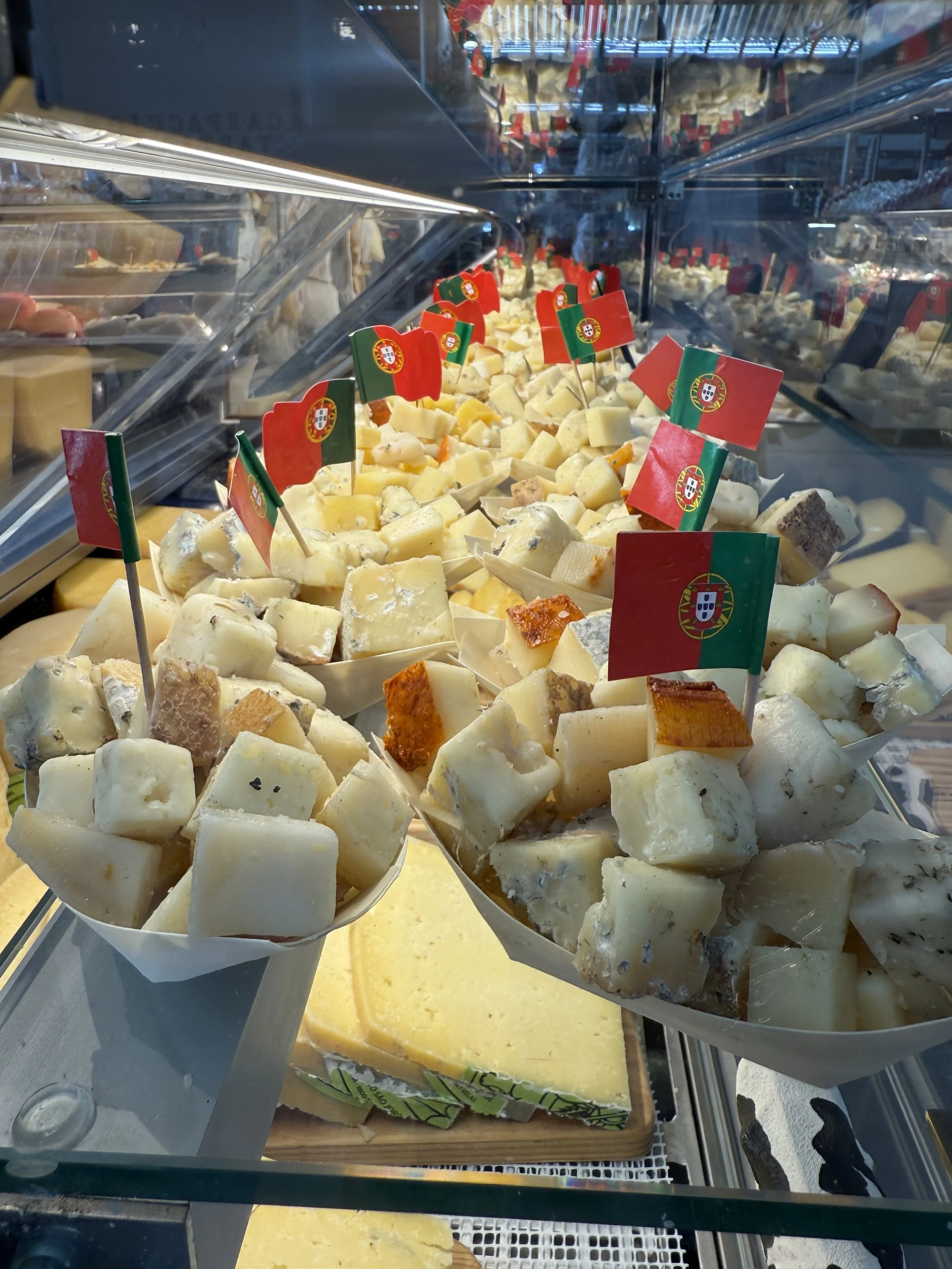
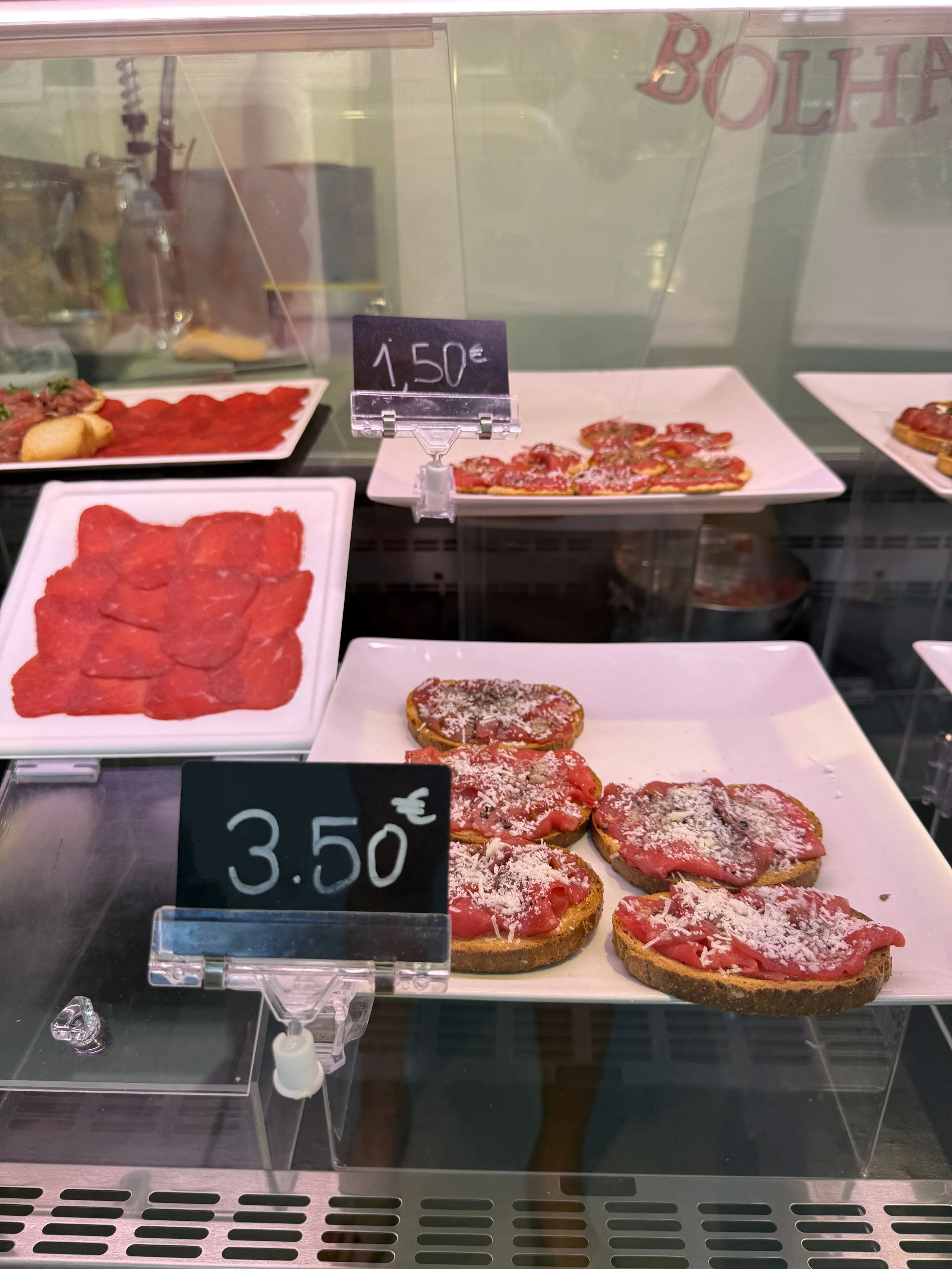
Start here. Porto’s beloved covered market was recently restored and it’s beautiful — a two-story iron-and-tile building filled with food vendors, boutiques, and a lot of local character. This is where you get your first taste of the city: try the port wine, grab some beef tartare, pick up local products, and just soak it in. It’s a great first hour in Porto. I explain more about how amazing Mercado do Bolhão is in this TikTok video.
Explore the Surrounding Streets
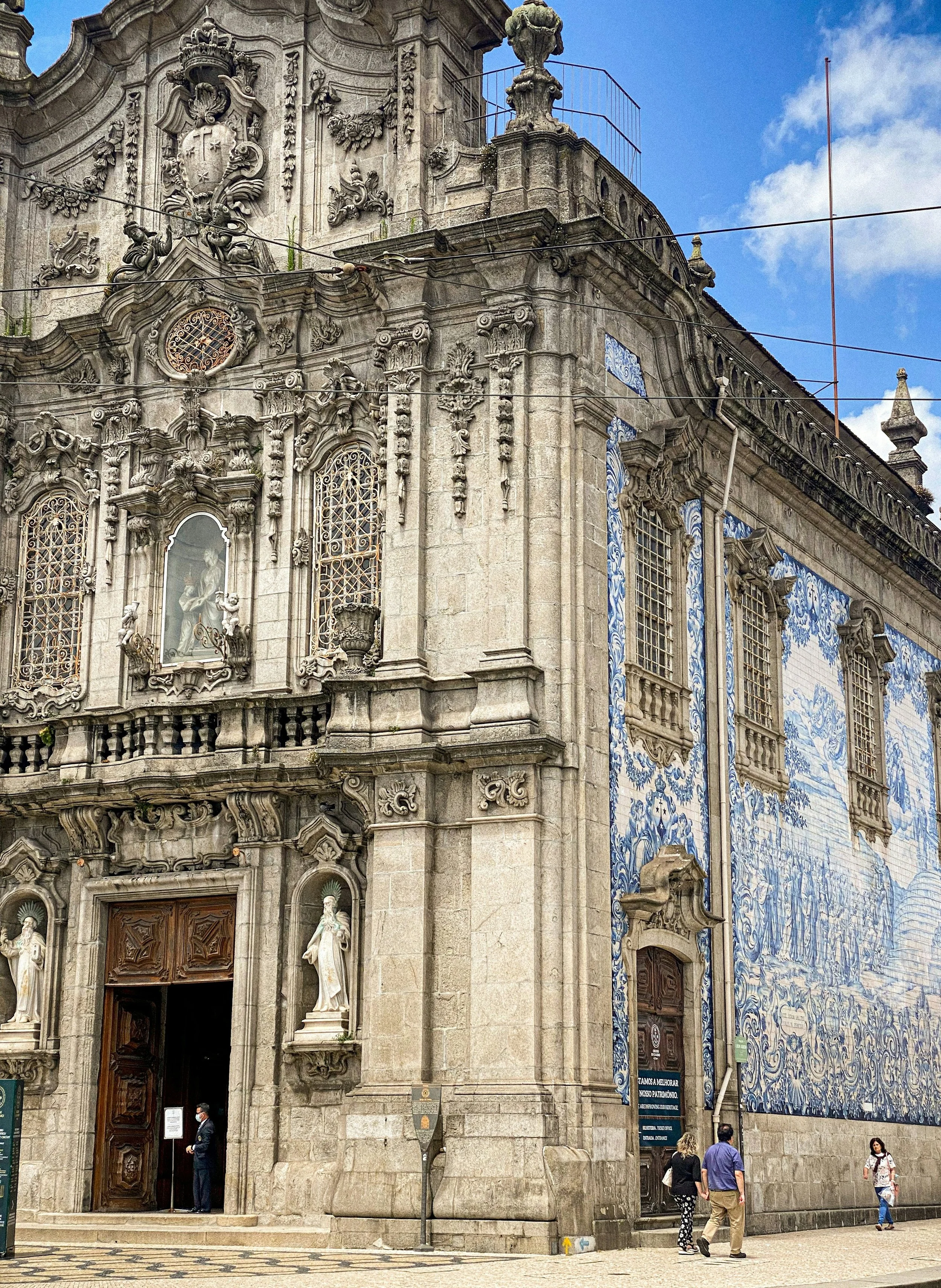
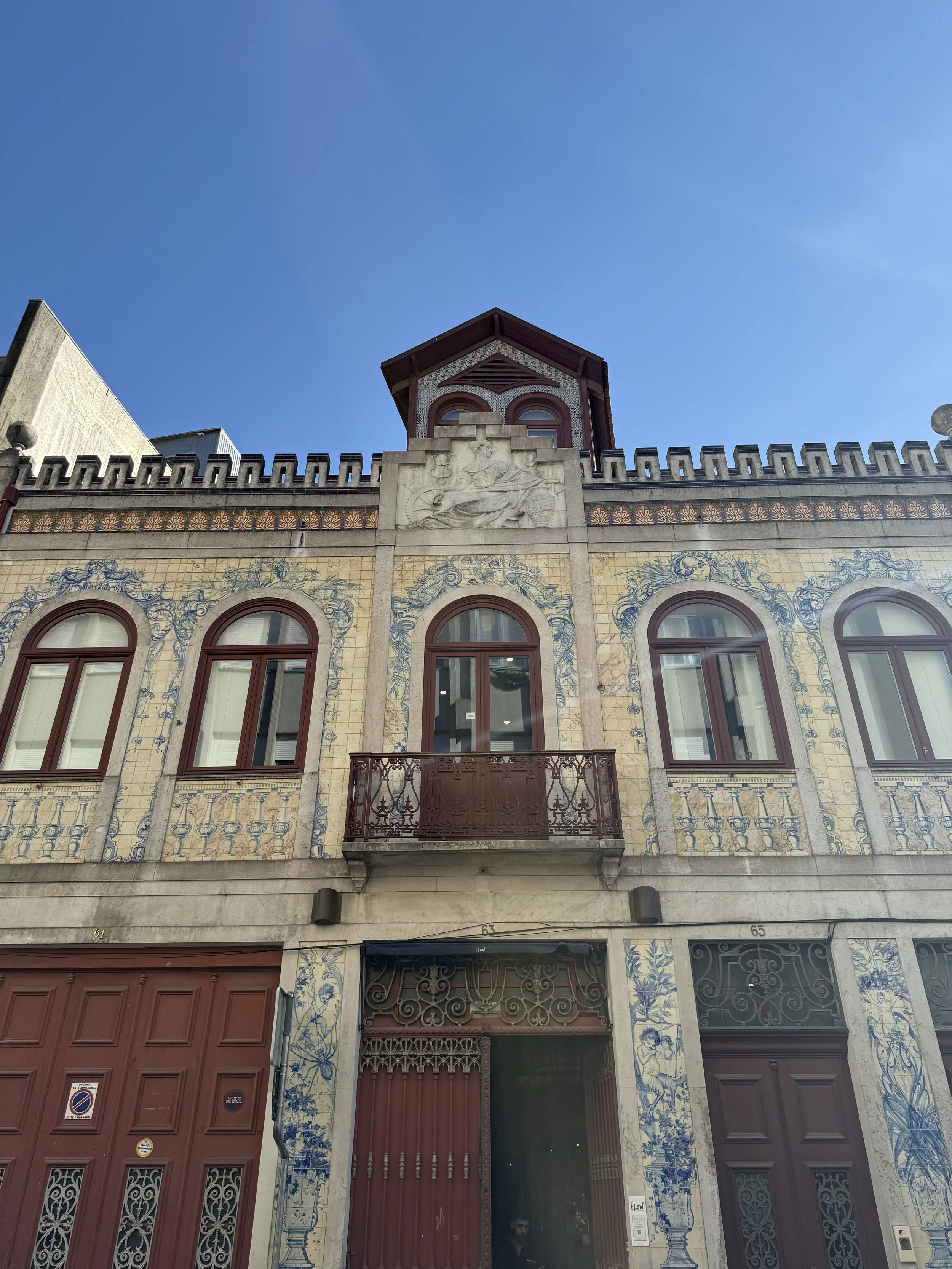
From Bolhão, wander the streets of the Baixa neighborhood. Check out the antique shops scattered through the area — Porto has a great vintage and antique scene. Make your way to Praça da Liberdade, the main square, and then head uphill to the Torre dos Clérigos, Porto’s iconic baroque bell tower. You can climb it for panoramic views of the city, and it’s worth the extra few minutes.
Dinner: Café Santiago
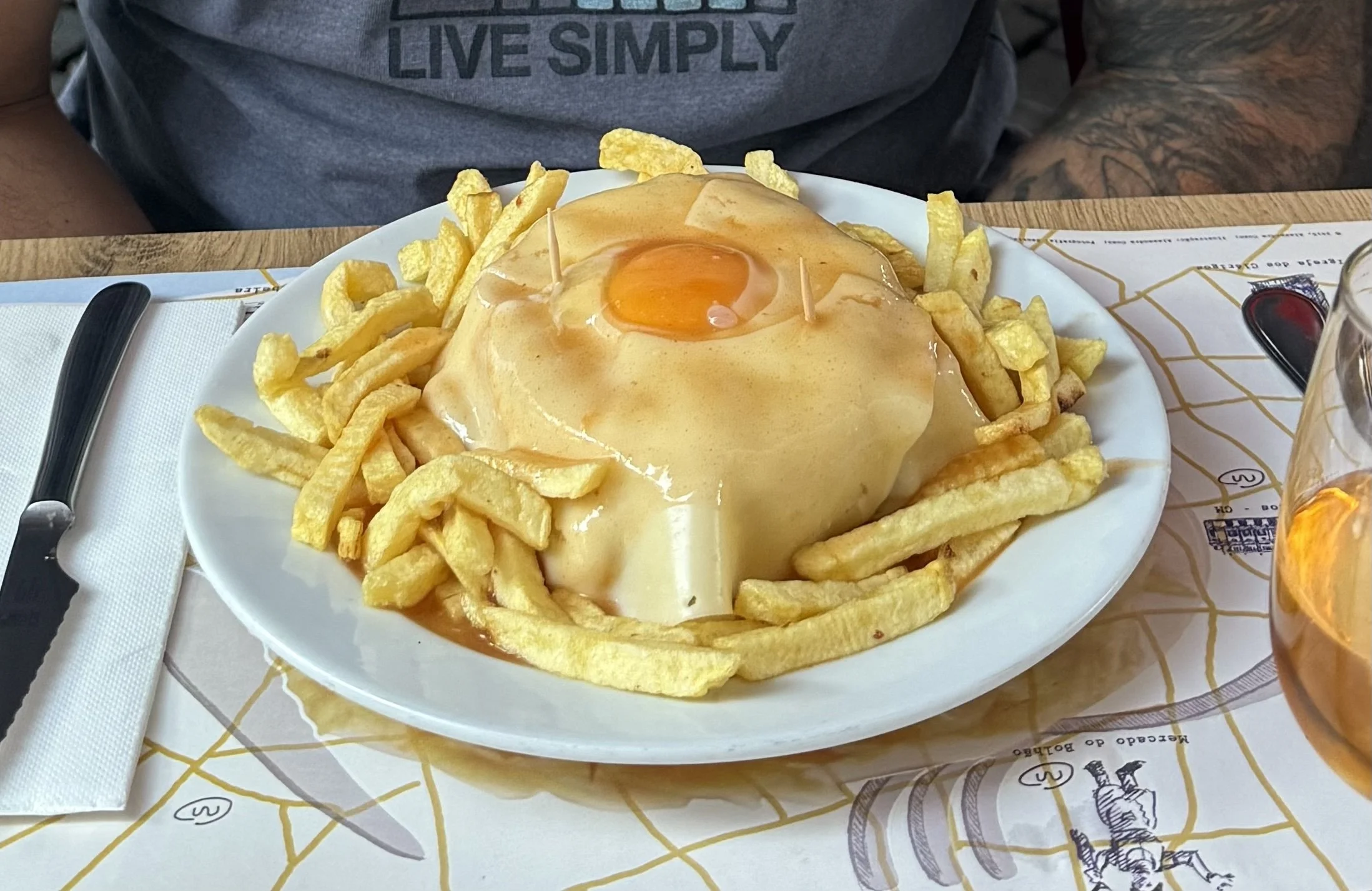
You have to eat a Francesinha in Porto. It’s non-negotiable. The Francesinha is Porto’s legendary sandwich — layers of cured meat and steak between thick bread, topped with a fried egg and smothered in a spiced tomato-and-beer sauce, usually served with fries. It’s heavy and it’s wonderful. Café Santiago is the classic spot. Go early or expect a short wait.
After Dinner: Gelataria Portuense
A short walk from Café Santiago, this gelato spot is a perfect way to end the evening. Get a scoop, walk along the streets, and settle into the pace of the city.
Day 2: Ribeira, the Douro & Vila Nova de Gaia
Ribeira Neighborhood
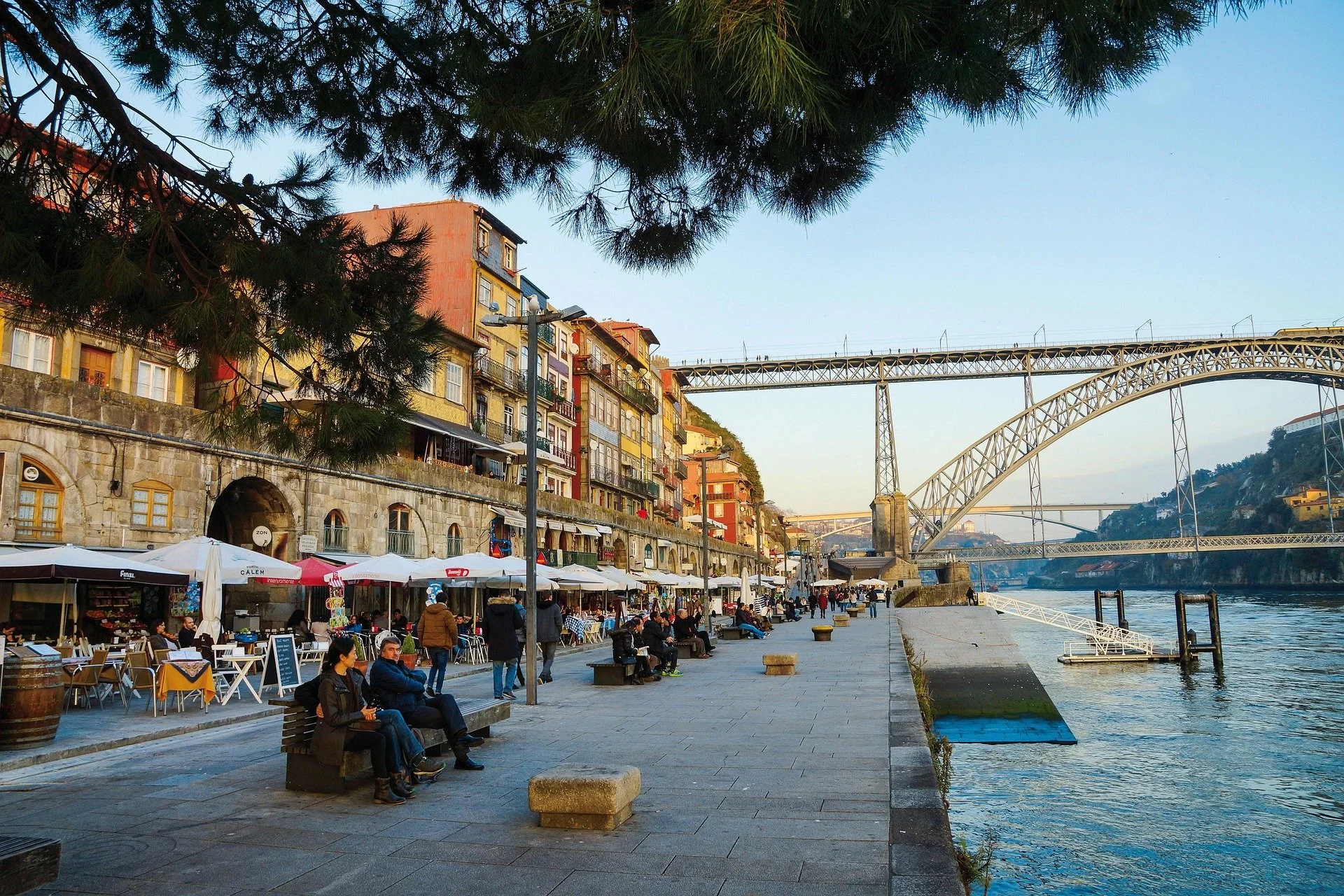
Porto’s riverside neighborhood is one of the most photogenic spots in the city — colorful tiled buildings stacked up the hillside above the Douro River, with the Dom Luís I Bridge framing everything perfectly. Walk along the waterfront, explore the side streets, and stop for a coffee or a glass of wine at one of the riverfront cafés.
Cross into Vila Nova de Gaia
Just across the Douro River (walk or take the lower level of the Dom Luís Bridge) is Vila Nova de Gaia, home to Porto’s famous wine lodges. This is where the big port wine producers — Graham’s, Sandeman, Taylor’s, Ramos Pinto — have their cellars. Most offer tours and tastings. If you only do one, Graham’s is consistently excellent and the views from their terrace back over Porto are spectacular.
Livraria Lello
One of the most beautiful bookshops in the world — and yes, it’s touristy, but it’s genuinely stunning inside, with a dramatic neo-gothic staircase and stained glass ceiling. Entry costs a few euros (redeemable against a book purchase). Go early in the morning to avoid the worst of the crowds.
Dinner: Cantinho do Avillez
Chef José Avillez’s Porto outpost is a great dinner option — elevated Portuguese cuisine without being fussy. The octopus and the filet are both excellent. Book ahead.
Day 3: Aveiro, Costa Nova & the Chapel on the Rocks
If you have a third day, use it for a day trip out of Porto — and do it properly. We joined a guided tour that covered three stops, and it ended up being one of the highlights of the entire trip.
Aveiro
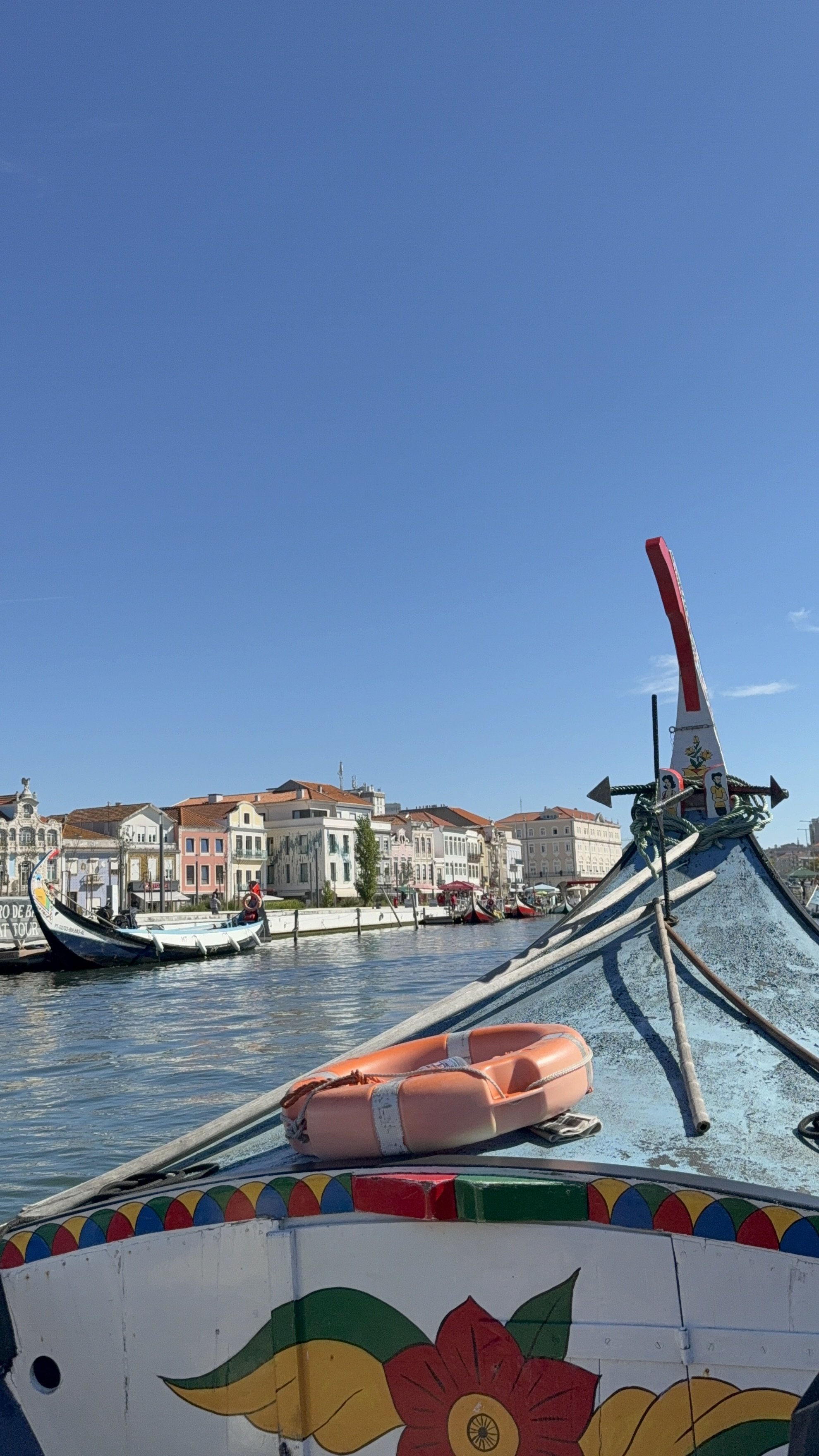
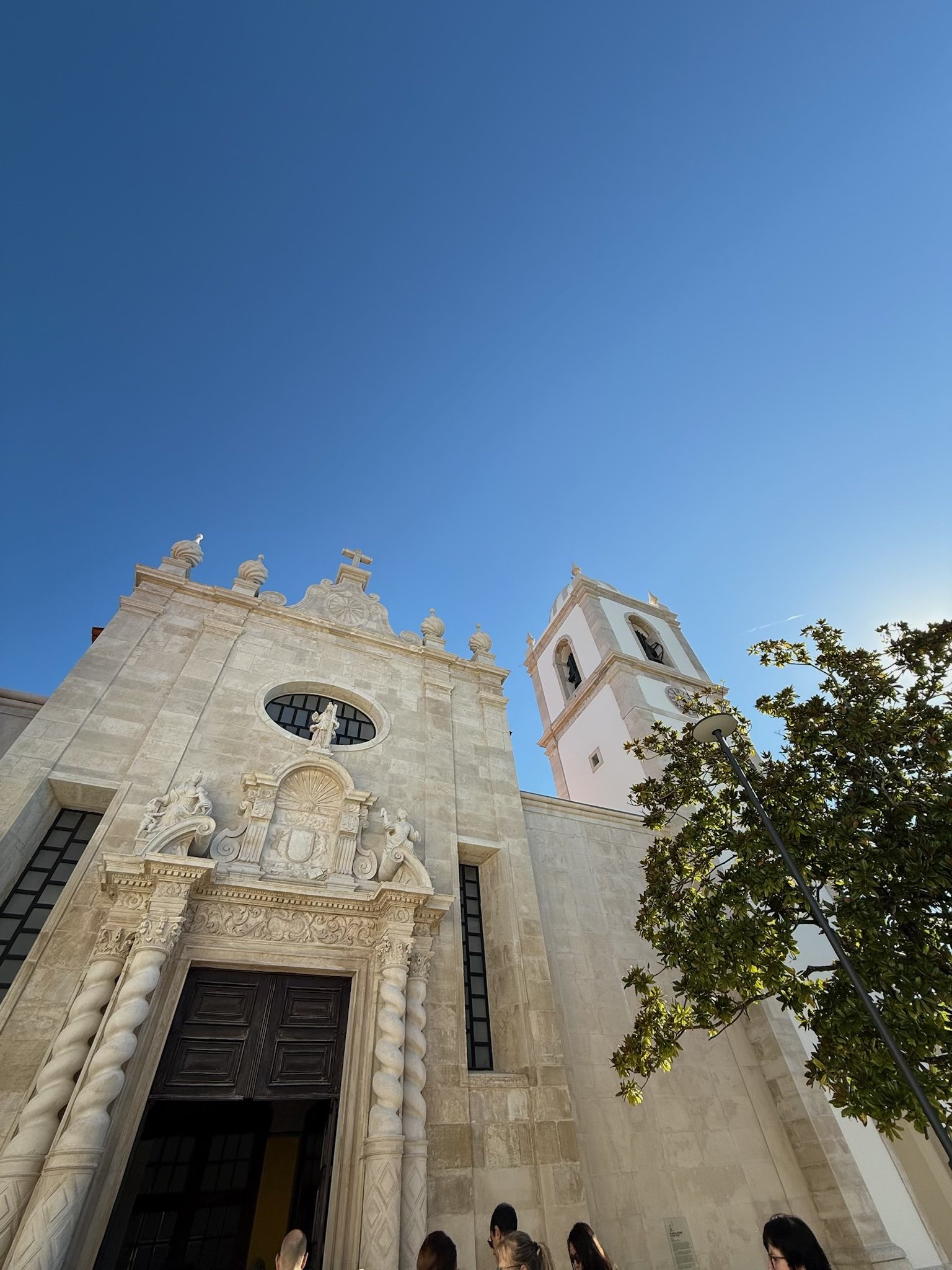
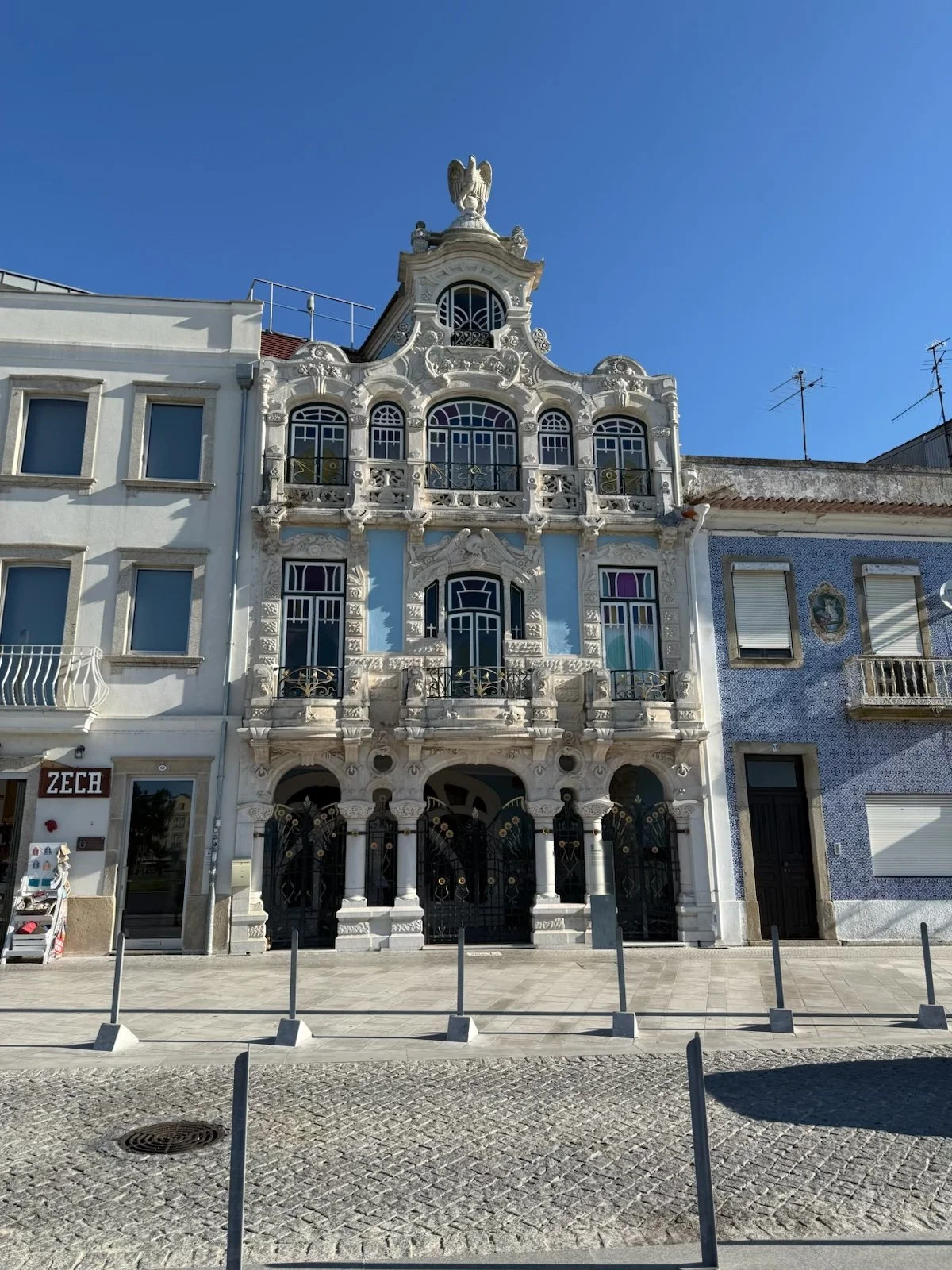
About an hour south of Porto, Aveiro is often called the “Venice of Portugal” for its network of canals and the colorful moliceiro gondola boats that drift through them. Start with a gondola ride — it’s a little touristy, yes, but also genuinely beautiful, and a good guide will fill the ride with local history and stories. One of the best: the tale of Princess Joana, daughter of King Afonso V, who gave up her royal life to become a nun at Aveiro’s Dominican Convent in 1472 and never left. She was eventually beatified, and her bronze statue stands in front of Aveiro Cathedral as one of the city’s most iconic landmarks. While you’re in town, tie a ribbon on one of the bridges — a sweet little tradition — and try the ovos moles, Aveiro’s famous local dessert: thin wafer shells shaped like clams and seashells, filled with a rich, sweet egg yolk custard. Get them from a proper local shop, not a souvenir stand. They’re addictive.
Costa Nova
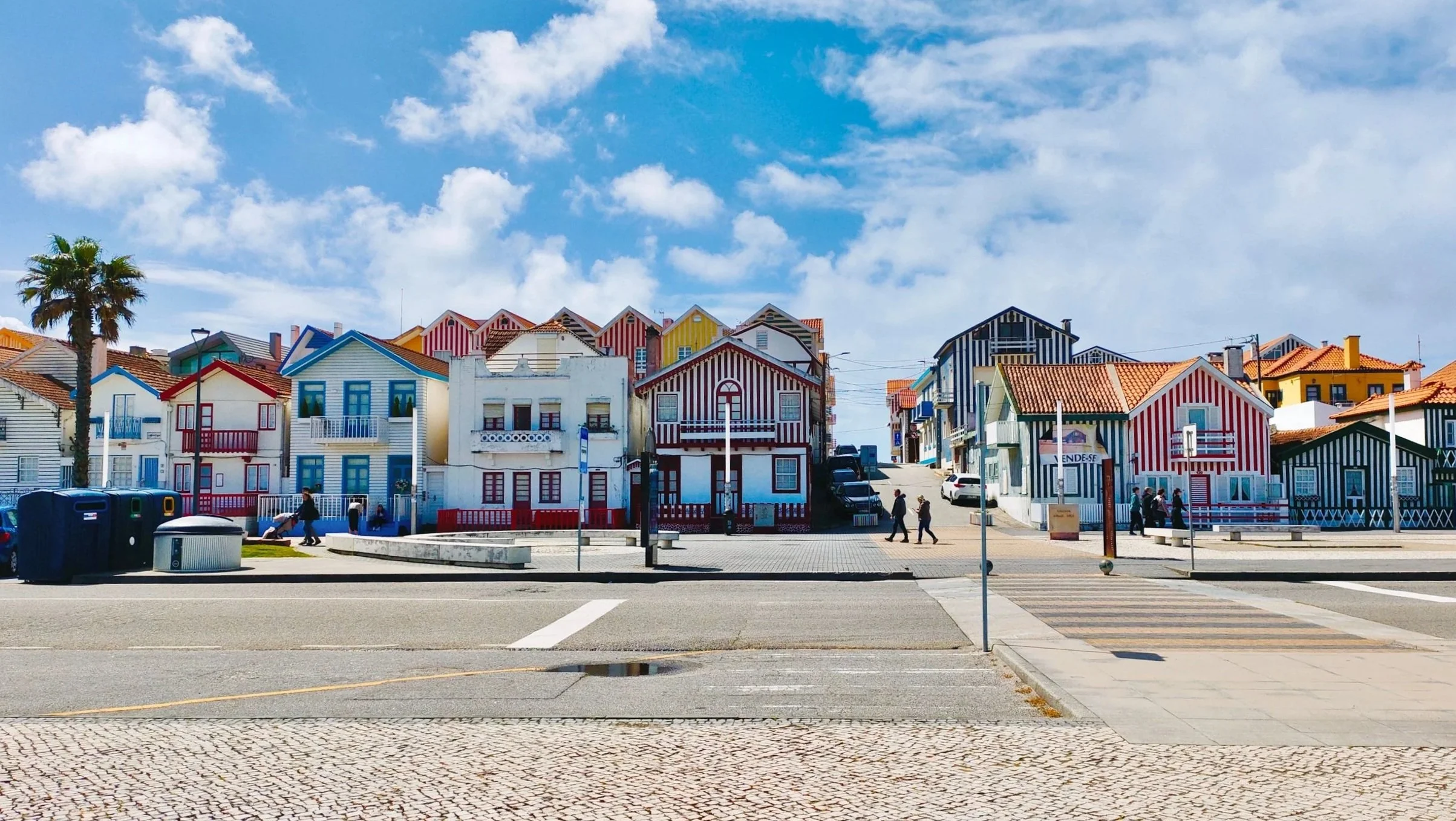
From Aveiro, the drive to Costa Nova takes about 15 minutes and is 100% worth it. This small beach village is famous for its palheiros — the candy-striped fishermen’s houses painted in bold vertical stripes of red, blue, green, and white that line the beachfront road. It’s one of the most photogenic spots in Portugal and a total contrast to the stone-and-tile aesthetic of most Portuguese towns. Walk the beach, take approximately one thousand photos of the striped houses, and enjoy having sand between your toes for a bit.
Capela do Senhor da Pedra
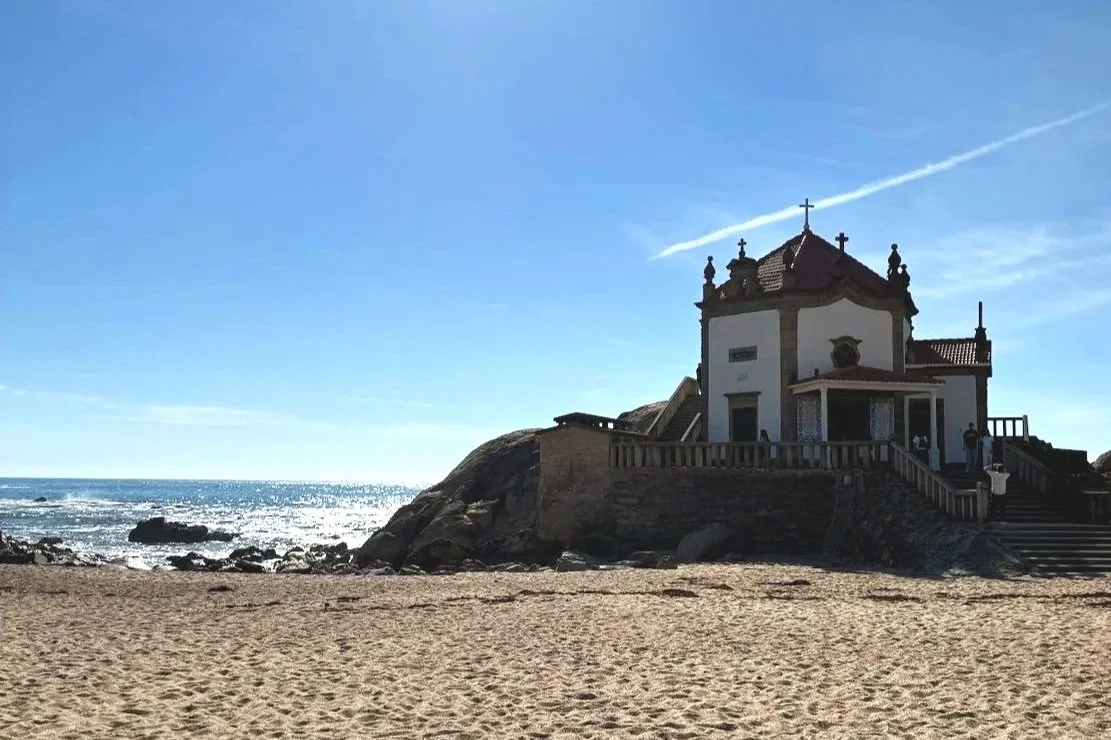
The final stop on the day, and one of the most memorable. The Capela do Senhor da Pedra is a small, octagonal chapel built directly on a rocky outcropping above the ocean on the beach of Miramar, about 20 minutes south of Porto on the way back. It’s one of those sights that genuinely stops you — a chapel sitting alone on the rocks with waves crashing around it on three sides. We spent a good chunk of time here just taking it in. There’s no gift shop, no queue, no fanfare — just a beautiful, unusual place that rewards the detour. A perfect end to the day before heading back to Porto.
Insider Tips
Porto is very hilly — wear comfortable shoes. The Bairro da Sé and Miragaia neighborhoods in particular involve a lot of stair climbing.
The tram (especially Tram 22) is a fun and useful way to get between neighborhoods, though it gets crowded. The funicular (Funicular dos Guíndaéis) is a quick and scenic way to get between the riverfront and the upper city.
Bornstein Wine Bar & Shop in the Upper Town is excellent for a midday wine tasting and a crash course in Portuguese wines before you head south. The staff knows their stuff.
Try a Sagres or Super Bock beer (the two main Portuguese lagers) at a riverfront café. Simple and refreshing.
Porto’s airport (Francisco Sá Carneiro) is well-connected to the city by metro — the E line takes about 35 minutes to the center. Easy and cheap.
Late September through October is a great time to visit — fewer crowds than summer, still warm, and the light is beautiful.
